
Tools
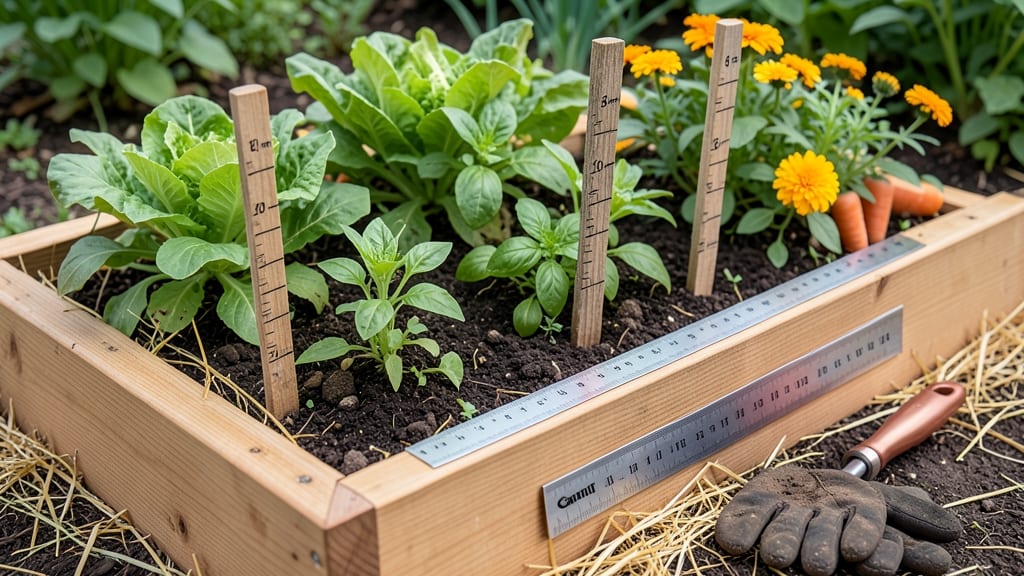
Determining garden bed height depends on plant needs and gardening style, with standard depths between 6 to 12 inches for most vegetables, while raised beds often extend to 12 to 18 inches for better drainage and easier maintenance. Deeper beds accommodate root-heavy crops, while shallower beds work well for shallow-rooted plants like herbs.
Getting the right garden bed height isn't just about aesthetics—it directly impacts how well your plants grow. 🌱 For example, 6-inch beds are perfect for lettuce and radishes, while 12-inch beds give tomatoes and peppers the room they need to thrive.
Raised beds can go even deeper, but proper drainage becomes critical to prevent waterlogging. I always recommend adding a gravel layer at the bottom if you're building taller beds, as this helps excess water flow away while keeping roots oxygenated.
Another key factor is accessibility. If you garden seated or have mobility concerns, 12-inch beds with clean edges make planting and harvesting much easier. Wooden frames or brick borders also add durability, but fabric-lined beds offer flexibility for smaller spaces.
The right height balances plant health with your comfort—so measure your needs before digging!
💡 In This Article
- How Garden Bed Height Affects Plant Growth and Soil Health
- Choosing the Right Garden Bed Height for Accessibility and Drainage
How garden bed height affects plant growth and soil health
The ideal garden bed height directly influences root development by creating the right environment for oxygen, moisture, and nutrient absorption. Most vegetables thrive in 6-12 inches of soil because this depth provides adequate space for roots to spread while maintaining good aeration.
For instance, carrots and beets need 10-12 inches to develop their full taproots, while shallow-rooted herbs like basil or chives do well in just 4-6 inches of soil. The deeper the bed, the more stable the soil temperature remains—critical for warm-season crops like tomatoes that prefer 70-85°F soil temperatures.
Soil health also improves with proper bed height because taller beds allow for better moisture retention while preventing compaction. In 12-inch beds, the top 6 inches remain loose and fertile, while the lower layers can contain coarser materials like composted wood chips or gravel for drainage.
Microbial activity thrives in this layered structure, breaking down organic matter more efficiently. For example, mycorrhizal fungi—essential for nutrient uptake—grow best in well-aerated, moderately moist conditions found in properly proportioned beds. 🌱
Drainage becomes a critical factor when beds exceed 12 inches. Without proper drainage layers (like 2-3 inches of gravel at the bottom), excess water can suffocate roots, especially in clay-heavy soils.
I’ve seen gardens where 18-inch raised beds without drainage layers develop anaerobic pockets, leading to root rot in plants like peppers and eggplants. The solution? Always include a drainage layer and ensure the bed has a slight slope (about 1-2 degrees) to encourage water flow away from plant roots.
Another often-overlooked benefit of taller beds is their ability to moderate soil temperature extremes. In summer, a 12-inch bed stays 10-15°F cooler at the surface compared to a 6-inch bed, protecting delicate roots from heat stress.
Conversely, in winter, deeper beds retain warmth longer, giving cold-sensitive plants like basil a slight advantage. This thermal regulation is why many professional growers opt for 12-18 inch raised beds, even in challenging climates.
For container gardening or small spaces, 6-inch deep beds work well for leafy greens and herbs, but they limit options for root crops. The trade-off is that shallower beds dry out faster, requiring more frequent watering.
If you’re growing in containers, consider adding a 2-inch layer of moisture-retaining hydrogel to the bottom to compensate for the reduced soil volume. This mimics the moisture retention of deeper beds while keeping the height manageable.
Ultimately, the right bed height balances your plant’s root requirements with your gardening goals. For example, if you’re growing a mix of tomatoes, peppers, and herbs, a 12-inch bed gives everyone what they need—deep roots for the vegetables and ample space for the herbs to thrive without competing.
The key is observing your plants: yellowing leaves or stunted growth often signal that roots are hitting a barrier (like compacted soil or the bed’s bottom), prompting a need for deeper or better-structured beds. 💫