
Neem Oil
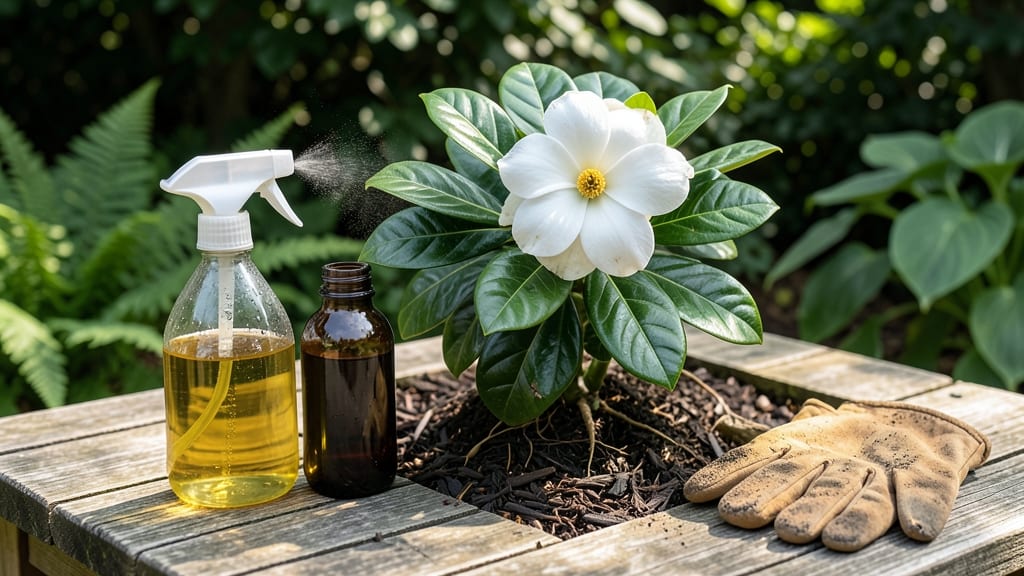
Using neem oil on gardenias boosts plant vitality by combating fungal diseases like powdery mildew, intensifying flower vibrancy, and repelling pests without disrupting beneficial insects. For optimal results, apply a diluted solution every 2-4 weeks during the growing season.
Neem oil works as a natural fungicide because its active compounds—nimbin and triterpenoids—disrupt fungal cell membranes, preventing spores from germinating. 🌿 Unlike chemical fungicides, it leaves no harmful residues while still targeting common gardenia issues like leaf spot and stem rot.
The key is consistency: applying it preventatively during warm, humid months (when fungal growth peaks) gives your gardenias the best defense.
For application, always dilute neem oil with water (1 teaspoon per quart) and add a drop of mild soap to help it stick. Early morning or late evening applications minimize leaf burn from sunlight exposure.
I’ve found that treating gardenias just before their blooming season not only keeps them healthy but also makes the flowers last longer and look more vibrant.
💡 In This Article
- How Neem Oil Protects Gardenias from Fungal Diseases
- Step-by-Step Guide to Using Neem Oil on Gardenias
How neem oil protects gardenias from fungal diseases
Neem oil's antifungal power comes from its unique chemical compounds, particularly triterpenoids (like gedunin) and nimbin, which disrupt fungal cell membranes. These compounds create microscopic holes in fungal spores, preventing them from absorbing nutrients and germinating.
For gardenias, this means effective protection against powdery mildew and leaf spot, two common fungal issues that thrive in the humid conditions gardenias often prefer.
The science gets even more interesting when you consider how neem oil compares to chemical fungicides. Unlike synthetic fungicides that often rely on copper or sulfur (which can build up in soil and harm beneficial microbes), neem oil works through natural disruption rather than toxicity.
Studies show it can reduce fungal growth by up to 70% when applied preventatively, while also being safe for earthworms and other soil organisms. The oil's bitter taste also acts as a deterrent for fungal spores trying to establish on leaves.
Gardenias face particular fungal threats due to their tropical origins and dense foliage, which creates ideal microclimates for fungal spores. Neem oil's effectiveness shines here because it doesn't just kill existing fungi - it creates a protective film on leaves that makes it harder for new spores to take hold.
This is why regular applications (every 2-4 weeks) during the growing season provide continuous protection. The oil's ability to penetrate plant tissue also means it can reach fungal infections developing beneath the leaf surface.
What makes neem oil especially valuable for gardenia care is its multi-faceted action. While it's primarily known for its antifungal properties, it also contains azadirachtin, which interferes with insect molting processes - making it effective against gardenia pests like aphids and whiteflies too.
This dual action means you're getting both disease prevention and pest control from a single organic treatment, which is particularly beneficial for gardeners who prefer chemical-free approaches.
For best results, apply neem oil when gardenias are actively growing but before fungal issues appear. The oil works best in temperatures between 60-90°F, which aligns perfectly with gardenia's preferred growing conditions.
The key is consistency - regular applications create a protective barrier that's more effective than reactive treatments once symptoms appear. You'll notice healthier leaves with fewer brown spots and stronger stems that support more abundant blooming.
One common misconception is that neem oil needs to be applied heavily to work. In reality, it's the concentration that matters more than volume. A properly diluted solution (1 teaspoon per quart of water) provides all the active compounds needed while minimizing the risk of leaf burn.
The oil's natural stickiness helps it adhere to leaves, where it can continue working for up to 2-3 weeks after application, depending on rainfall.
The visual difference in treated gardenias is striking - leaves remain glossy and green rather than developing the yellowing or powdery coatings that signal fungal infection. Flowers also tend to be more vibrant, lasting longer on the plant.
This is because healthy foliage can better support the energy demands of blooming. 🌸 The preventive approach with neem oil essentially creates a healthier growing environment where gardenias can thrive without constant fungal pressure.