
Landscaping
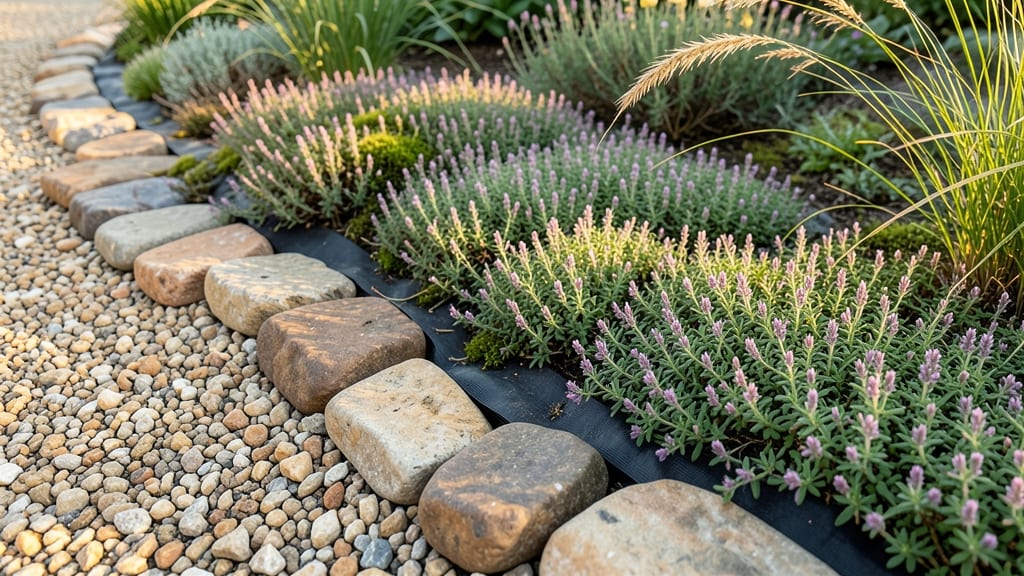
Cobble garden edging creates defined garden borders using natural stone that resists erosion, suppresses weeds, and adds timeless charm. Opt for rounded river rocks, flat slate slabs, or crushed granite for a low-maintenance, weather-resistant solution.
Natural stone edging transforms garden beds into polished spaces while solving practical problems.
The right cobble material—whether smooth river stones, durable slate, or crushed granite—determines how well it resists shifting, cracks, and weather damage. 🌿 For example, slate holds edges better in wet climates, while granite chips create a softer, more organic look.
I always recommend testing a small section first to see how the stones settle into your soil type.
Beyond aesthetics, cobble edging acts as a barrier against soil erosion and invasive weeds, saving time on maintenance. The key is proper installation: start with a solid base of landscape fabric or sand, then secure stones with adhesive or pebbles to prevent movement.
For curves or slopes, use flexible edging materials first to create a stable foundation before adding the stones.
💡 In This Article
- How to Select the Best Cobble Materials for Garden Beds
- Step-by-Step Guide to Installing Cobble Edging Like a Pro
How to select the best cobble materials for garden beds
Material selection is the foundation of durable cobble edging because each type reacts differently to environmental stresses. River rocks, with their smooth, rounded surfaces, create a natural, organic look while weighing just 3-5 pounds per cubic foot, making them ideal for informal gardens.
Their porous nature helps with drainage but requires occasional rinsing to prevent moss buildup in humid climates. Slate, on the other hand, offers 10-15 pounds per square foot of weight and splits into flat, stable pieces that resist shifting—perfect for high-traffic areas or sloped beds where heavier materials prevent erosion.
The color and texture of your cobble directly influence the garden's aesthetic appeal. Granite chips, with their varied earthy tones (from gray to deep red), blend seamlessly into woodland gardens, while recycled cobblestones often feature muted blues and browns that complement Mediterranean styles.
For example, a 1-inch-thick layer of slate will create a sharp, modern contrast against soft perennials, while rounded river stones soften the edges of a cottage-style border. The key is matching the stone's natural color palette to your existing hardscapes—like gravel paths or brick patios—to create visual harmony.
Climate plays a surprising role in material longevity. In freeze-thaw zones, granite's low porosity (less than 1%) prevents water absorption that could crack stones during winter, while slate's natural cleavage makes it resistant to splitting when properly installed.
For sandy soils, heavier materials like slate or granite provide the stability needed to prevent stones from sinking or shifting over time. I've seen river rocks work beautifully in clay-heavy soils because their rounded shape allows water to flow around them, reducing erosion risks in heavy rainfall.
Don't overlook the practicality of stone size for your specific project. 1.5- to 2-inch diameter cobblestones strike a balance between visual impact and installation ease—they're large enough to create a defined edge but small enough to work with by hand.
For tight spaces or curved beds, consider ½-inch granite chips that can be spread more fluidly. The texture also matters: smoother stones like river rocks create a more refined look, while rougher slate or granite adds rustic character.
Test a sample section to see how the stones interact with your soil and sunlight patterns throughout the day.
Budget considerations often come down to regional availability. Locally sourced materials—like slate from nearby quarries—can cut costs by 30-50% compared to imported stones. For example, granite chips from a local supplier might cost $20-$30 per cubic yard, while imported cobblestones could reach $50-$70 per cubic yard.
Always factor in installation time: flat slate pieces lay faster than irregular river rocks, which may require more precise placement. The right material choice balances both your garden's needs and your willingness to invest time in installation.
Consider these key factors when choosing:
- Durability: Granite (hardness 6-7 on Mohs scale) vs. slate (hardness 3-4) for different wear levels
- Weight: Heavier stones (>10 lbs/sq ft) prevent erosion in slopes, lighter stones work for flat beds
- Color harmony: Earth tones for natural gardens, contrasting colors for modern designs
- Budget: Local materials save money while maintaining quality
What most people don't realize is how the stone's porosity affects maintenance. Highly porous materials like river rocks may require annual cleaning to prevent algae growth, while dense granite needs only occasional rinsing.
The right choice depends on your willingness to trade initial cost for long-term care—some materials may look stunning but require more upkeep than they're worth. 💫