I remember the first time I planted a seed—it was a sunflower in a cracked clay pot on my grandmother’s windowsill. Watching it grow into something bright and tall made me realize how rewarding gardening could be. Now, I’m here to share the joy of cultivating your own little patch of green, whether you’re a seasoned green thumb or just starting out. My goal is to make gardening approachable, practical, and full of small victories that make the effort worth it.
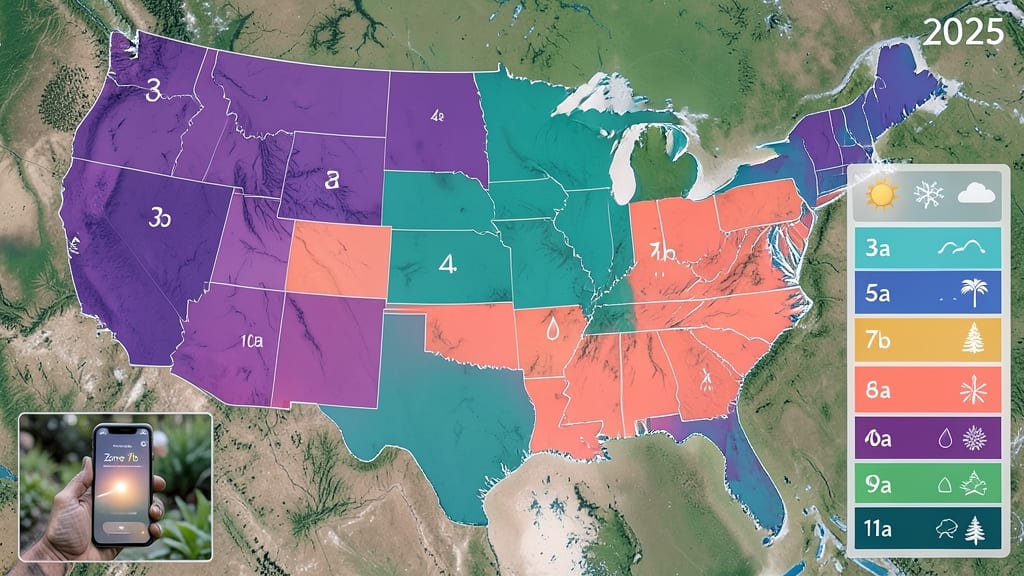
💥 Quick Answer To determine what garden zone you're in for 2025, use the updated USDA Plant Hardiness Zone Map, which classifies regions based on average annual minimum temperatures. Simply enter your ZIP code or…
💥 Quick Answer Understanding Philadelphia's gardening zone helps you select plants that thrive in its USDA Hardiness Zones 6b to 7a, where microclimates create unique temperature and frost patterns across neighborhoods…
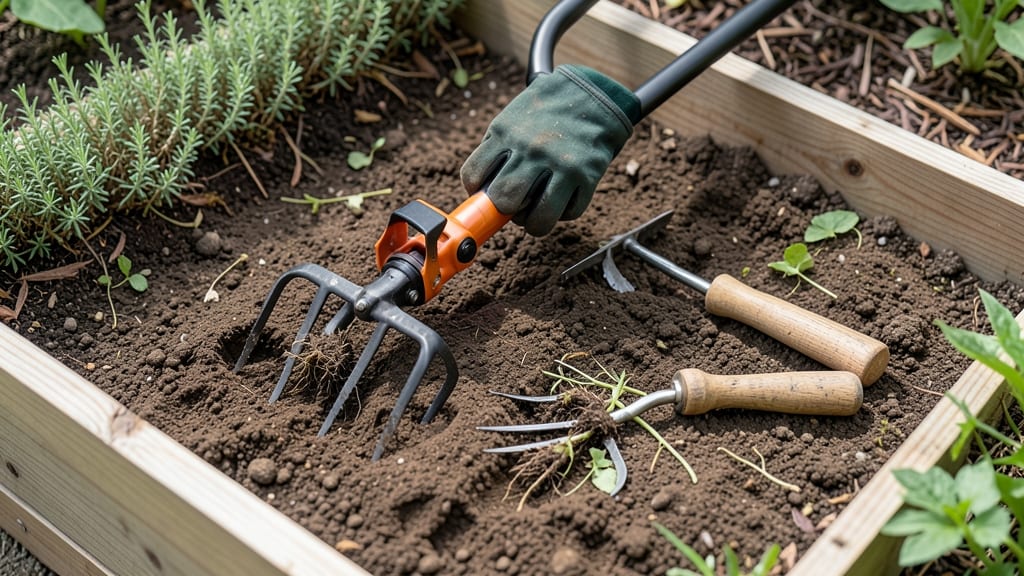
💥 Quick Answer A garden cultivator is used for breaking up compacted soil, uprooting weeds, aerating garden beds, and blending in compost or fertilizer—preparing the ground for planting without disturbing the soil…
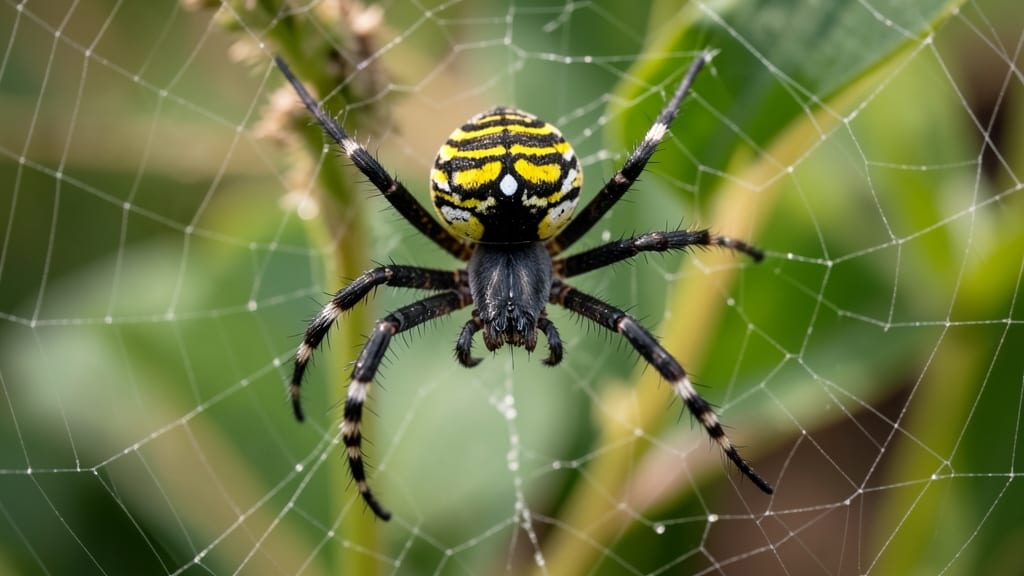
💥 Quick Answer Georgia garden spiders are harmless to humans, with venom too weak to penetrate skin. While bites may cause slight irritation, these spiders are essential predators that keep garden pests like mosquitoes…
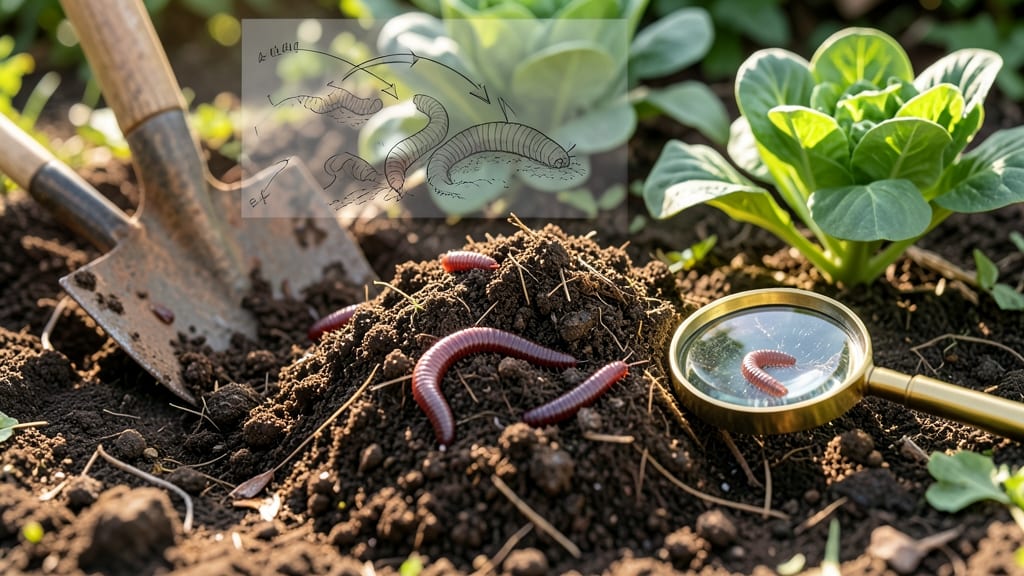
💥 Quick Answer Night crawlers are good for gardens because they aerate soil, decompose organic matter, and produce nutrient-rich castings that enhance drainage and microbial activity, leading to stronger, more vibrant…
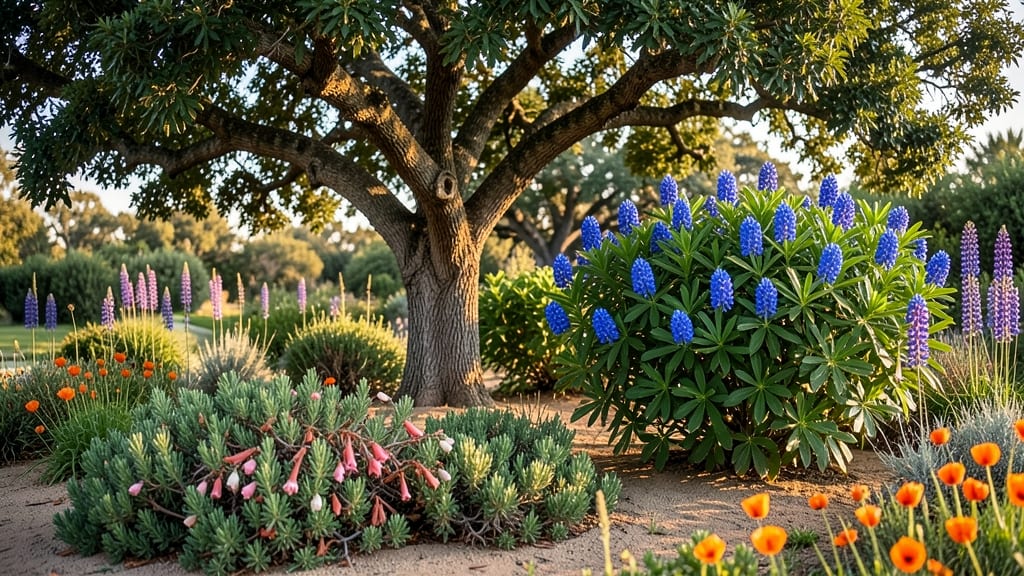
💥 Quick Answer Gardening in Northern California thrives in its unique microclimates, where coastal areas enjoy milder winters and inland valleys face hotter, drier summers. For best results, start planting in late…
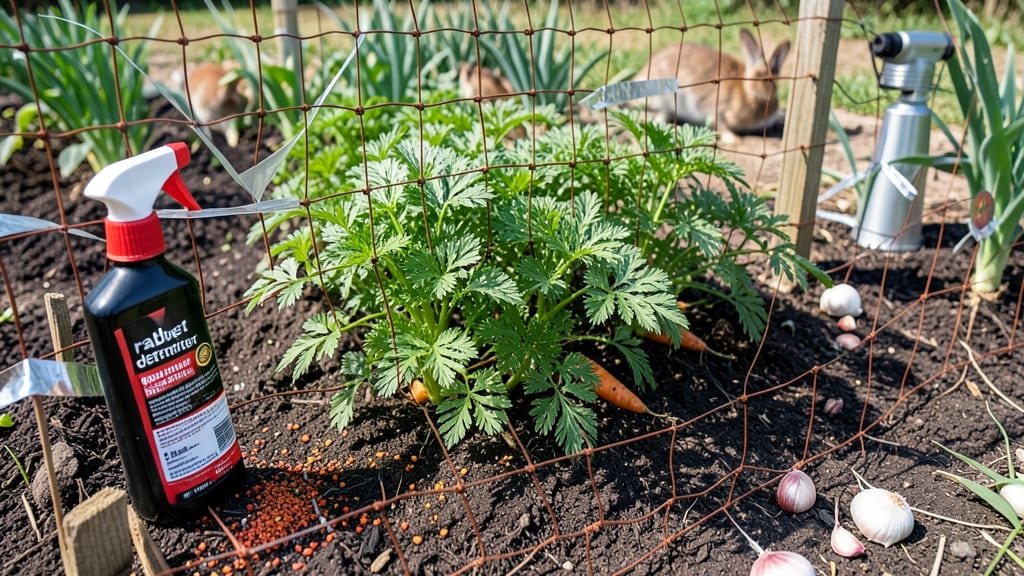
💥 Quick Answer The best way to keep bunnies out of your garden combines physical barriers, natural repellents, and strategic planting: install a chicken wire barrier buried 6 inches deep , apply compost or cedar mulch…
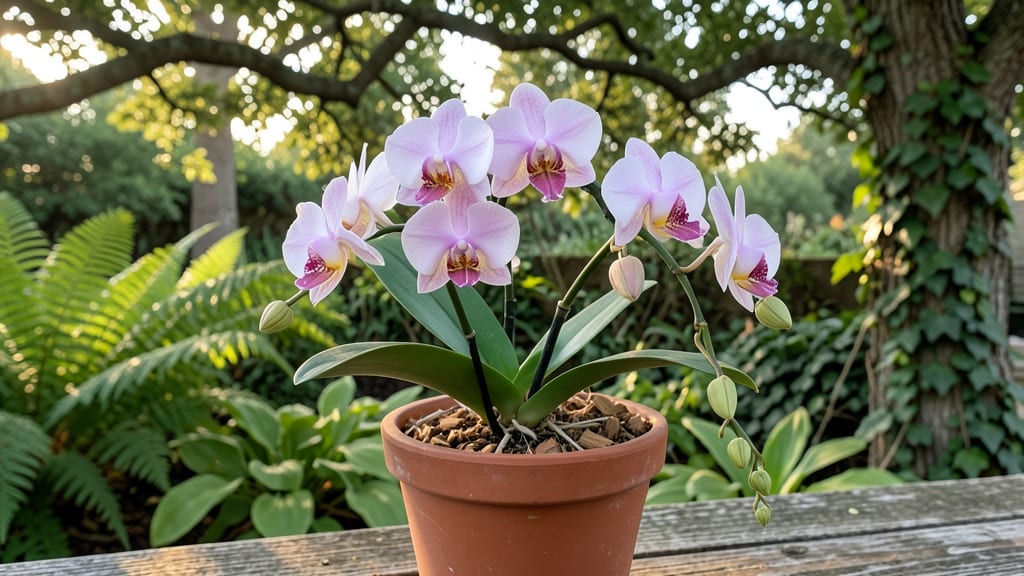
💥 Quick Answer Shelldance Orchid Gardens in Pacifica, CA, showcases a stunning array of rare orchids, vibrant year-round blooms, and beautifully designed themed gardens that thrive in the area's unique coastal…
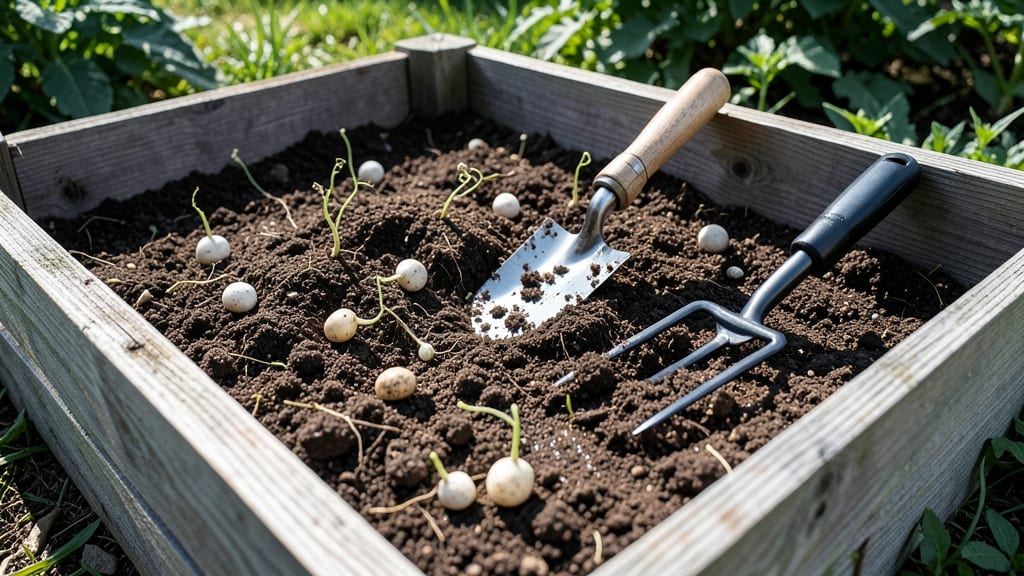
💥 Quick Answer When you spot white balls in garden soil, they're usually harmless gypsum crystals, leftover fertilizer pellets, or pest egg sacs that can harm plant roots. Test the texture—gypsum crumbles easily…
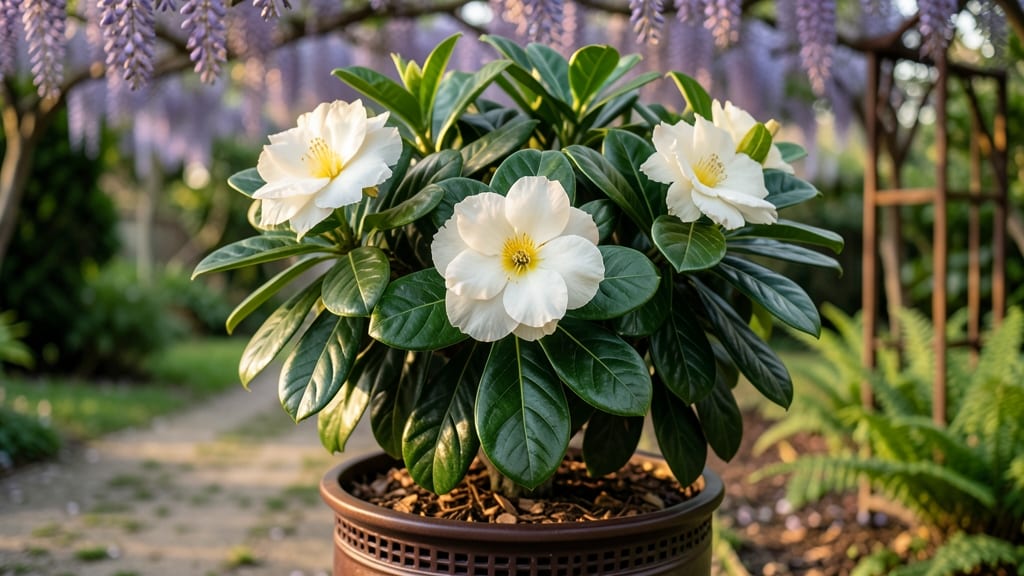
💥 Quick Answer Gardenias function as perennials in frost-free regions (USDA Zones 8-11) but typically die back in colder climates, forcing gardeners to treat them as annuals unless they're overwintered indoors. Their…