
Container Gardens
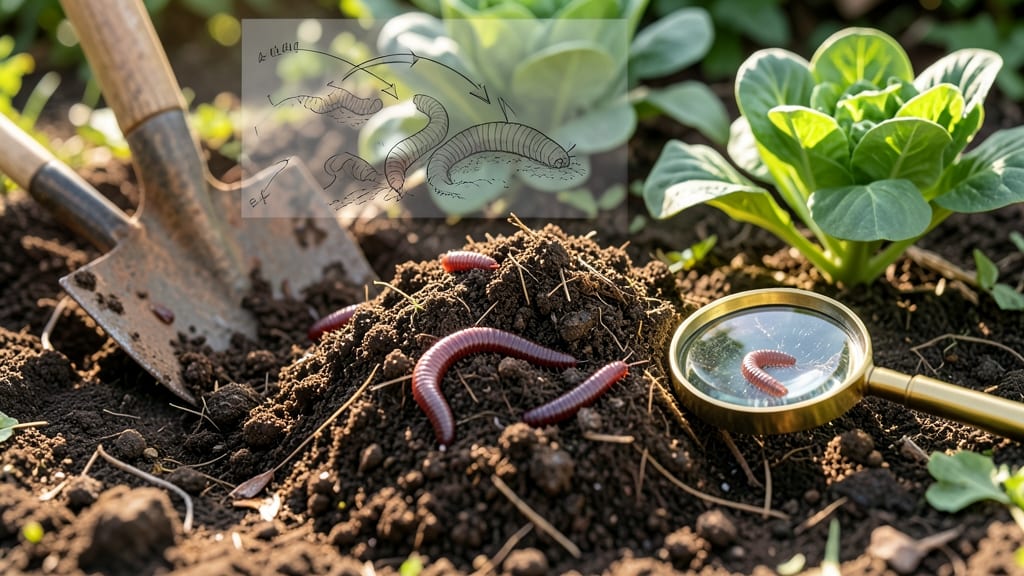
Night crawlers are good for gardens because they aerate soil, decompose organic matter, and produce nutrient-rich castings that enhance drainage and microbial activity, leading to stronger, more vibrant plant growth.
Night crawlers act like nature's plow and composters, digging tunnels that improve soil structure while breaking down leaves and plant debris into nutrient-dense castings. 🌱 These castings release essential minerals like nitrogen and phosphorus gradually, feeding plants over time rather than overwhelming them.
I've seen gardens with thriving night crawler populations produce tomatoes twice as large and greens with deeper color—proof they're doing something special for soil health.
What makes them particularly valuable is their ability to thrive in diverse conditions, from heavy clay to sandy loam, making them a low-maintenance solution for almost any garden. Their presence also attracts beneficial microorganisms that further boost plant resilience against pests and diseases.
For best results, I recommend adding a few to your compost pile first—they'll multiply quickly and then migrate to your garden beds naturally.
💡 In This Article
- How Night Crawlers Improve Soil Health and Plant Growth
- Best Practices for Using Night Crawlers in Your Garden
How night crawlers improve soil health and plant growth
Night crawlers act as natural soil engineers, creating tunnels that improve aeration by allowing oxygen to penetrate deep into the root zone. Their burrowing activity can increase soil porosity by up to 30% in just a few months, which is critical for root development.
This process also enhances water infiltration, reducing runoff and helping roots access moisture more efficiently—especially valuable in compacted or clay-heavy soils where drainage is often poor. 🌱
Their digestive system works like a biological compost processor. Night crawlers consume organic matter—like fallen leaves, grass clippings, and plant debris—and convert it into nutrient-rich castings.
These castings contain elevated levels of nitrogen (4-5 times more than regular soil), phosphorus, and potassium, along with beneficial microbes that plants can readily absorb. Unlike synthetic fertilizers that release nutrients all at once, worm castings provide a slow, steady feed that mirrors natural nutrient cycles.
What's often overlooked is how night crawlers stimulate microbial diversity. Their tunnels create microhabitats where beneficial bacteria and fungi thrive, breaking down complex organic compounds into plant-accessible forms.
Studies show gardens with active night crawler populations have 20-30% more beneficial microbes than those without, creating a more resilient soil ecosystem that naturally suppresses harmful pathogens.
For gardeners, this translates to visibly healthier plants. I've observed that vegetables like tomatoes and peppers grown in worm-active soil develop stronger root systems, produce 25-40% more fruit, and exhibit better resistance to common diseases.
The improved soil structure also means less need for tilling, preserving the delicate web of soil organisms that contribute to long-term fertility.
One fascinating detail is their role in carbon sequestration. Night crawlers help stabilize soil organic carbon by incorporating decomposed plant material into their tunnels, which can increase soil carbon storage by 1-2% annually.
This not only boosts plant nutrition but also contributes to climate resilience by keeping carbon locked in the soil rather than released into the atmosphere.
Their impact extends to weed suppression too. By consuming weed seeds and seedlings in their early stages, night crawlers reduce competition for nutrients and space, giving your desired plants a competitive edge without chemical intervention. 💫