
Advice
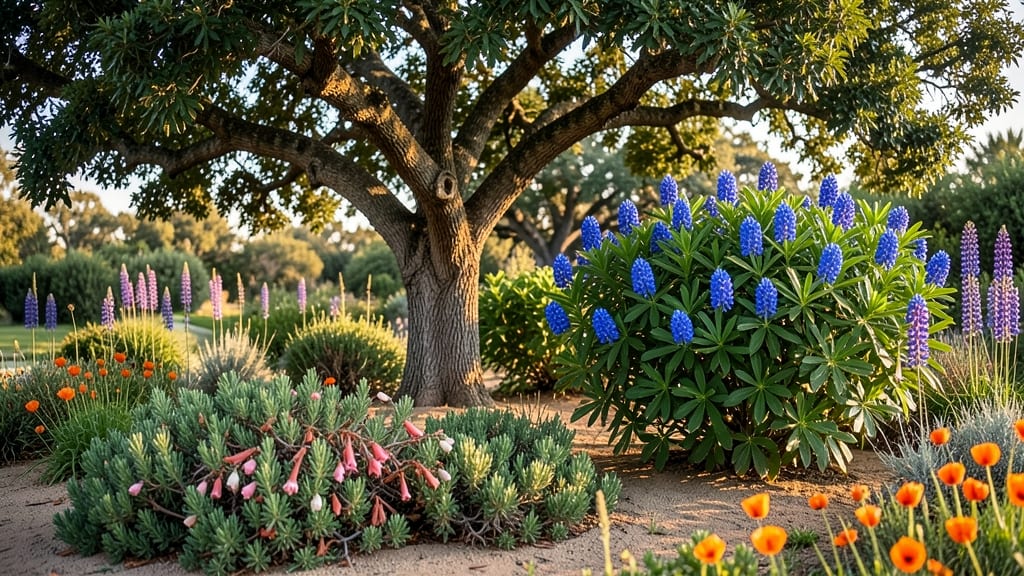
Gardening in Northern California thrives in its unique microclimates, where coastal areas enjoy milder winters and inland valleys face hotter, drier summers. For best results, start planting in late winter or early spring, choosing drought-resistant plants suited to USDA Zones 7b-10a, and account for local elevation and fog patterns.
Northern California's gardening success hinges on understanding these regional variations. 🌿 Coastal areas like San Francisco benefit from summer fog that keeps soil moist, while inland regions such as Sacramento demand careful water management.
The diverse USDA zones mean you might grow citrus in Zone 10a while frost-sensitive plants thrive in coastal Zone 9b. My best advice? Observe your specific microclimate for at least a season before making major planting decisions.
For example, if you're in the Bay Area, you can extend your growing season by choosing heat-tolerant varieties, while valley gardeners should focus on mulching and drip irrigation. Many local nurseries offer plants pre-selected for these conditions, saving you trial-and-error time.
The key is matching your plant choices to your specific corner of Northern California's complex landscape.
💡 In This Article
- Northern California’s Microclimates and Plant Hardiness Zones
- Best Seasonal Planting Calendar for Northern California Gardens
Northern California’s microclimates and plant hardiness zones
Northern California's gardening success starts with understanding its dramatic microclimates. Coastal areas like San Francisco and Santa Cruz experience summer fog that can reduce temperatures by 10-15°F and maintain soil moisture, creating a Zone 9b-10a environment where citrus and olive trees thrive year-round.
Meanwhile, just 60 miles inland in the Central Valley, areas like Sacramento see 110°F+ summers and Zone 9a conditions, requiring completely different plant selections.
The Sierra Nevada foothills add another layer of complexity, where elevation shifts can create Zone 7b conditions just 50 miles from Zone 10a coastal areas.
This means frost dates vary wildly—coastal areas might see only 1-2 frost days per year, while inland valleys can experience 10+ nights below 32°F.
The Diablo winds further complicate things by rapidly drying soil and increasing fire risk, especially in September-October when many gardeners are preparing for winter planting.
Here's how to translate these zones into practical choices: In Zone 10a coastal gardens, you can grow avocados, bougainvillea, and rosemary year-round, while Zone 9a valley gardens need heat-tolerant varieties like Zucchini 'Eight Ball' and Okra 'Clemson Spineless'.
The fog belt (roughly San Francisco to Monterey) creates a unique growing window where you can plant warm-season crops in late spring when inland areas are still too hot.
What most gardeners overlook is how local topography affects microclimates. A south-facing slope might be 2-3 zones warmer than a north-facing valley bottom, creating ideal conditions for passionfruit vines where flat areas would struggle.
Similarly, urban heat islands in cities like Oakland can push temperatures 5-10°F higher than surrounding rural areas, making heat-tolerant plants essential even in Zone 9b.
For accurate planning, check the USDA Plant Hardiness Zone Map but verify with local data—many Northern California nurseries provide custom zone maps accounting for these microclimates.
I've found that succulents and lavender often thrive in Zone 9a inland areas where they'd struggle in Zone 10a coastal fog, while fuchsias and impatiens prefer the cooler, moister coastal conditions. The key is observing your specific microclimate for at least one full year before making major planting decisions.
Pro tip: Use mulch depth of 3-4 inches in inland areas to retain moisture during 100°F+ summers, while coastal gardeners can rely more on the natural fog drip system that provides 1-2 inches of moisture weekly during summer months.
This natural watering system explains why coastal gardens often require 30-50% less irrigation than inland counterparts.