
Orchid Care
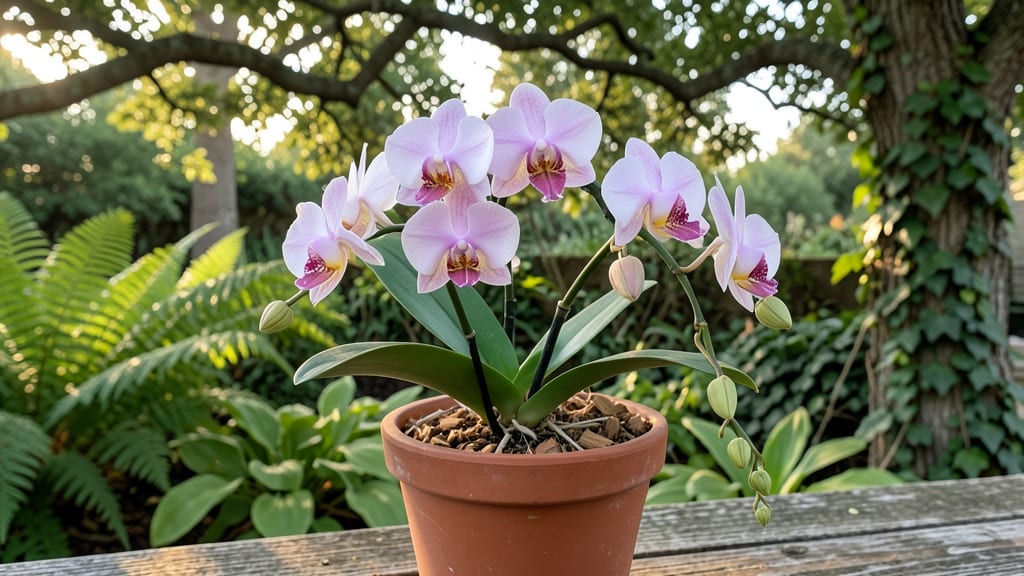
Shelldance Orchid Gardens in Pacifica, CA, showcases a stunning array of rare orchids, vibrant year-round blooms, and beautifully designed themed gardens that thrive in the area's unique coastal microclimate. This serene botanical retreat offers peaceful walking trails and expert gardening knowledge for visitors.
What makes Shelldance Orchid Gardens special is Pacifica's coastal climate—mild temperatures and consistent humidity create ideal growing conditions for tropical orchids. 🌿 The garden's carefully curated displays highlight rare varieties like Cattleyas and Dendrobiums, while themed sections showcase night-blooming orchids and butterfly favorites.
Visitors often discover hidden gems in the shaded pathways where humidity-loving species flourish year-round.
The garden's microclimate extends blooming seasons, allowing visitors to enjoy vibrant displays even during cooler months. Expert gardeners maintain optimal growing conditions through strategic irrigation and pruning techniques, ensuring each orchid variety thrives. This combination of natural advantages and expert care creates Pacifica's premier orchid destination.
💡 In This Article
- Why Shelldance Orchid Gardens Thrives in Pacifica’s Coastal Climate
- Hidden Gems: Orchid Varieties and Themed Gardens to Explore
Why shelldance orchid gardens thrives in Pacifica’s coastal climate
Pacifica's coastal climate creates a near-perfect microclimate for orchids, with average annual temperatures ranging between 55-65°F and humidity levels consistently above 70%. This combination mimics the tropical environments where many orchid species evolved, allowing them to bloom prolifically year-round.
The garden's location near the Pacific Ocean brings cooling fog during summer months, which prevents heat stress while maintaining ideal moisture levels for epiphytic orchids that naturally grow on tree bark in humid rainforests.
The fog also plays a crucial role by providing natural misting that reduces the need for artificial irrigation.
Orchids like Phalaenopsis and Cymbidium particularly benefit from this, as their native habitats receive frequent morning fogs. 🌫️ The coastal winds further enhance growth by promoting air circulation, which prevents fungal diseases that often plague orchids in more stagnant environments.
This natural ventilation system allows the garden to maintain healthier plants with stronger root systems capable of supporting larger blooms.
Temperature stability is another key factor - Pacifica's mild winters (45-55°F) prevent frost damage that would kill many tropical orchids, while summer highs rarely exceed 75°F. This consistency allows species like Dendrobium to produce multiple blooming cycles annually, something that's challenging in more extreme climates.
The garden's elevation of about 100 feet above sea level provides just enough cooling to prevent heat stress while still benefiting from oceanic influences.
What makes this particularly remarkable is how the garden leverages these natural advantages through strategic planting. Shaded areas with 60-70% light filtration protect delicate blooms from intense coastal sun, while open sections allow sun-loving varieties like Cattleyas to thrive.
The combination of these factors creates an environment where even rare species like Paphiopedilums (lady slipper orchids) can flourish without the need for greenhouse conditions.
The coastal influence extends to the garden's water quality too - the naturally soft, slightly acidic water from Pacifica's fog and rainfall provides optimal conditions for orchid roots. This eliminates the need for chemical water treatments that many orchid growers must use in drier climates.
Visitors often notice how the orchids here appear more vibrant and resilient compared to those in inland gardens, with larger blooms and more frequent flowering cycles.
This natural climate control system means the garden can showcase orchids that would struggle elsewhere in California. For example, Masdevallias - delicate orchids that require constant humidity - thrive here in open-air displays, while Vandas (which need high light) flourish in the bright coastal conditions.
The result is a living laboratory of orchid adaptation that visitors can observe firsthand.