
Tools
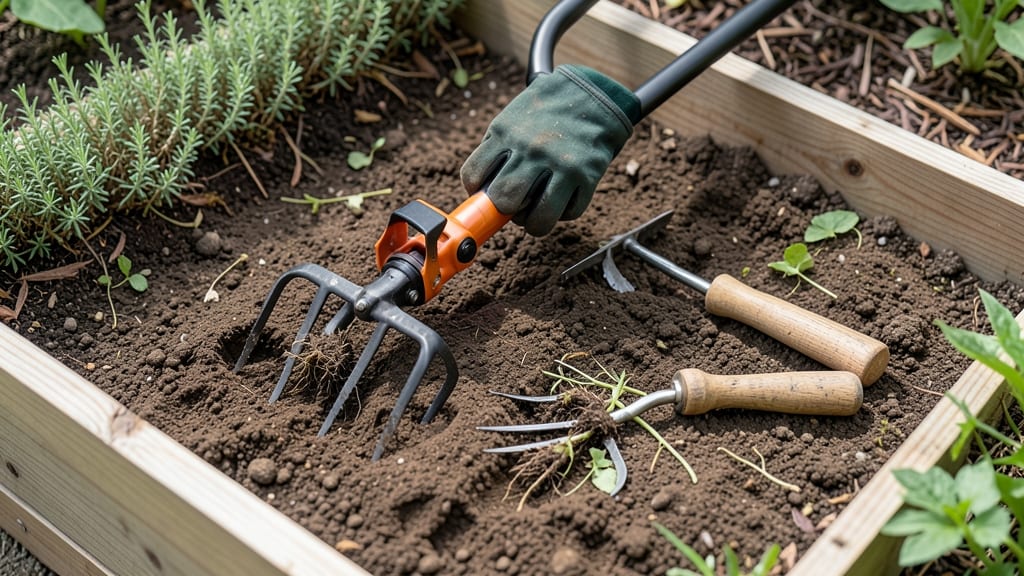
A garden cultivator is used for breaking up compacted soil, uprooting weeds, aerating garden beds, and blending in compost or fertilizer—preparing the ground for planting without disturbing the soil structure like a rototiller.
A garden cultivator works by using its rotating tines to gently disrupt soil layers, which improves drainage and root growth without the aggressive churning of a rototiller. 🌱 This makes it ideal for delicate plantings like flowers or seedlings where you want to avoid damaging roots.
I've found it especially useful for prepping garden beds in spring or after harvesting, as it helps restore soil texture and nutrient distribution.
Unlike tillers, cultivators focus on surface-level soil prep, making them perfect for weeding between rows or mixing in mulch. Their lightweight design also means they're easier to maneuver in tight spaces—great for container gardens or raised beds.
For best results, I recommend using one when the soil is slightly damp but not soggy, as this helps the tines glide through without clumping.
💡 In This Article
- How Cultivators Improve Soil Health and Plant Growth
- Top 5 Soil Prep Tasks for Cultivators in Gardens
How cultivators improve soil health and plant growth
The cultivator’s tines work like tiny plows, penetrating 2-4 inches deep into the soil to break apart compacted layers without flipping the entire bed like a rototiller. This targeted action disrupts the hardpan—often caused by foot traffic or heavy machinery—that restricts root growth.
In clay soils, the tines create micro-channels that improve water drainage, while in sandy soils, they help retain moisture by preventing clumping. 🌱 The key is the cultivator’s shallow, precise penetration, which preserves soil structure while enhancing aeration.
Root systems benefit directly from this process. When soil is loosened, roots can spread more easily, accessing nutrients and water more efficiently. For example, shallow-rooted vegetables like lettuce or radishes thrive with this method, while deeper-rooted plants like tomatoes benefit from the improved drainage.
The cultivator’s action also stimulates microbial activity in the topsoil, as the disruption creates more surface area for beneficial bacteria and fungi to thrive. This natural ecosystem boosts nutrient cycling, giving plants a healthier foundation.
One common mistake is over-tilling, which can damage soil structure by breaking down organic matter too aggressively. Cultivators avoid this by focusing on surface-level prep—typically 3-5 inches—rather than deep tilling. This preserves the soil’s natural layers, including the valuable topsoil rich in organic matter.
For instance, in a vegetable garden, using a cultivator after adding compost ensures the nutrients are evenly distributed without burying them too deep, where roots may not reach them.
The mechanical advantage of cultivators lies in their adjustable depth settings. For weeding between rows, you might set the tines to 1-2 inches to disturb weeds without harming nearby plants. For general soil aeration, deeper settings (3-4 inches) work best.
This versatility makes them ideal for both maintenance tasks and major prep work. The tines’ design—often curved or angled—also helps lift weeds by the roots, reducing regrowth compared to surface-level raking.
Seasonal timing matters too. In spring, cultivators help break winter compaction and prepare beds for planting. In fall, they can mix in organic matter like leaf mulch or compost, which will decompose over winter.
The cultivator’s ability to work in damp but not wet soil is critical—wet soil clumps around the tines, reducing efficiency and potentially damaging the tool. A simple test is pressing your finger into the soil: if it holds shape but isn’t sticky, it’s ready for cultivating.
For clay-heavy soils, cultivators can be a game-changer. The tines create fissures that allow water to penetrate more easily, reducing runoff and improving plant uptake. In sandy soils, they prevent compaction from watering or foot traffic, maintaining the loose texture that sandy soils naturally lose.
This dual benefit makes cultivators a versatile tool for almost any garden type, from heavy loam to light, fast-draining sand. 💛