
Orchid Care
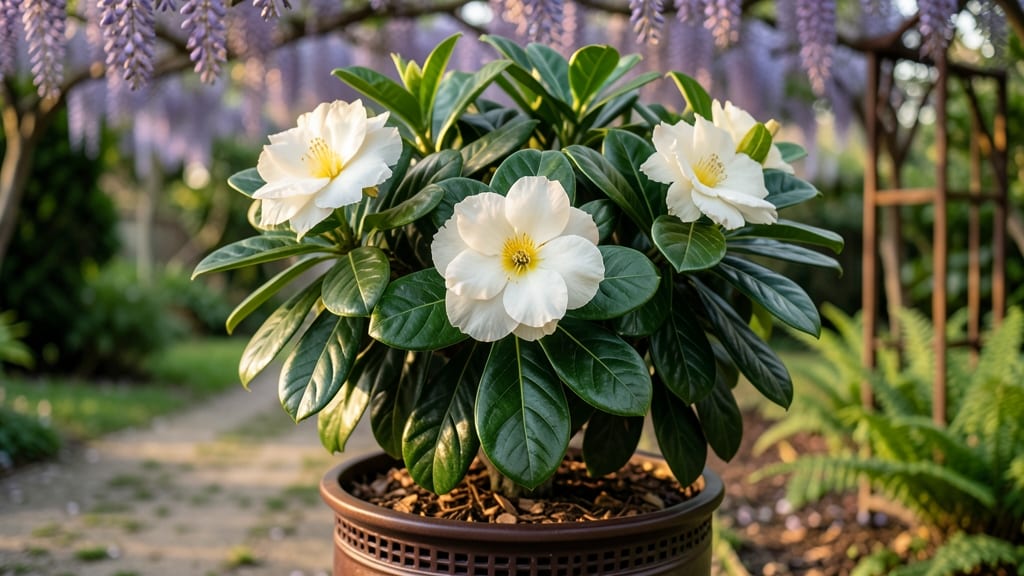
Gardenias function as perennials in frost-free regions (USDA Zones 8-11) but typically die back in colder climates, forcing gardeners to treat them as annuals unless they're overwintered indoors. Their lifespan depends entirely on winter survival strategies.
Gardenias thrive as perennials because they naturally grow year-round in warm climates where temperatures never dip below 30°F. 🌿 In colder zones, though, the first frost signals the end of their outdoor life cycle—leaves yellow and drop, and the plant appears dead.
The key difference lies in their hardiness: gardenias are tropical shrubs that can't tolerate freezing, which is why many gardeners in Zones 7 and below replant new ones each spring.
What's fascinating is how they bounce back: with proper overwintering, the same plant can produce blooms for decades, just like a true perennial.
For those in cooler climates, the secret to extending gardenia lifespan lies in timing and technique. I've found that digging up plants before the first frost and repotting them in containers gives them a fighting chance to survive indoors.
The trick is maintaining consistent humidity (60% or higher) and bright, indirect light—mimicking their natural tropical environment. When spring arrives, you can replant them outside, and they'll often reward you with even more abundant blooms than before!
💡 In This Article
- Gardenia Lifespan: How Climate Affects Perennial vs Annual Growth
- Year-Round Gardenia Care: Overwintering and Cold-Climate Tips
Gardenia lifespan: how climate affects perennial vs annual growth
Gardenias (Gardenia jasminoides) are botanically classified as evergreen shrubs with a natural lifespan of 10-20 years in ideal conditions. Their perennial nature stems from their tropical origins—they thrive in USDA Zones 8-11 where winter temperatures rarely drop below 30°F.
In these frost-free zones, gardenias maintain their lush foliage and continuous blooming cycles year-round, much like a true perennial. The key mechanism here is their cold sensitivity: temperatures below 32°F trigger cellular damage in their leaves and stems, causing them to blacken and drop.
The difference between perennial and annual behavior comes down to winter survival. In Zones 8-11, gardenias enter a state of "dormancy-light"—they continue growing slowly but maintain their structure through mild winters. However, in Zones 7 and below, the first frost acts like a death sentence.
The plant's cells freeze and rupture, killing the above-ground portions completely. This is why gardeners in colder climates often replant new gardenias each spring, treating them as annuals. The root system may survive in some cases, but without protection, it rarely regenerates effectively.
What's fascinating is how gardenias adapt their growth patterns based on climate. In their native tropical habitats, they grow continuously, producing new leaves and flowers throughout the year. But when exposed to cooler temperatures, they exhibit a form of "stress dormancy"—growth slows dramatically, and energy shifts toward root development.
This explains why gardenias in containers often survive winter better than those planted in the ground: the container provides some insulation from extreme cold.
For gardeners in marginal zones (like Zone 7b), the decision to treat gardenias as perennials or annuals depends on microclimates. A gardenia planted against a south-facing wall with afternoon sun might survive winters with minimal protection, while one in an open, windy area will likely die back completely.
The 30°F threshold is critical—even brief dips below this can cause irreversible damage to the plant's vascular system. 🌱 This is why many gardeners in these zones use frost blankets or move potted gardenias to sheltered locations during cold snaps.
Here's what happens at the cellular level during frost exposure: ice crystals form in the plant's extracellular spaces, causing dehydration and rupturing cell walls. Gardenias lack the antifreeze proteins found in cold-hardy plants like rhododendrons, making them particularly vulnerable.
The good news? With proper overwintering techniques (which we'll cover in the next section), you can preserve the plant's genetic material and bring it back to life each spring, effectively turning an annual into a perennial.
Consider this example: A gardenia planted in Zone 8a with 10-15°F winter lows might survive with minimal protection, while one in Zone 7a with 0-5°F lows will almost certainly die back. The 5°F difference in minimum temperatures creates a world of difference in survival rates.
This is why gardeners in transitional zones often experiment with microclimates—placing gardenias near heat-retaining structures or using mulch to insulate the root zone can push the boundaries of their hardiness.