
Planting
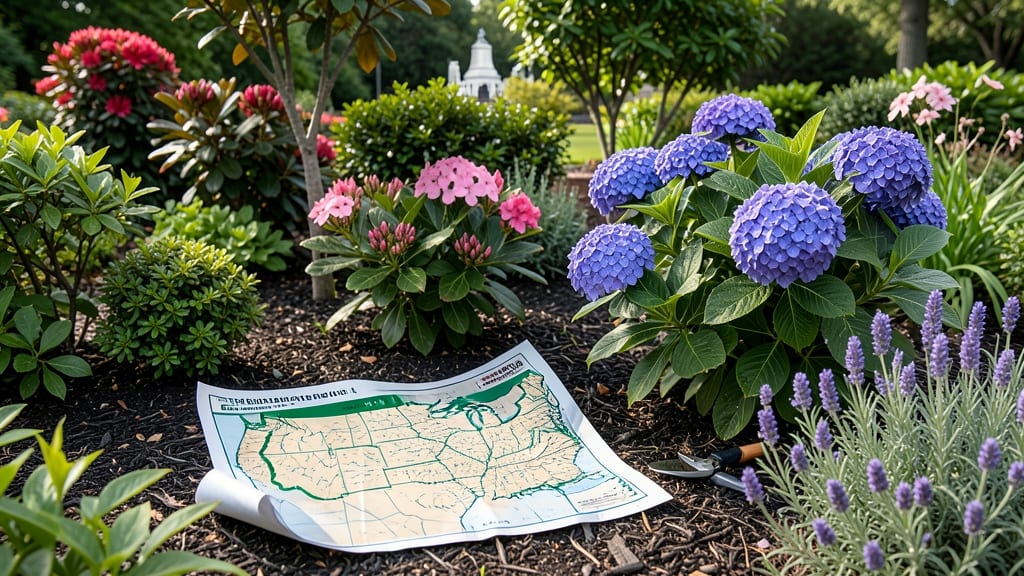
Understanding Philadelphia's gardening zone helps you select plants that thrive in its USDA Hardiness Zones 6b to 7a, where microclimates create unique temperature and frost patterns across neighborhoods. Urban heat islands can push summer temps higher, while suburban areas may experience earlier frosts.
Philadelphia's gardening zone classification is more nuanced than the standard 6b-7a range suggests. The city's dense urban areas often experience heat islands that can raise temperatures by up to 10°F compared to rural areas, affecting which plants can survive.
Meanwhile, neighborhoods near the Schuylkill River or higher elevations may see earlier frost dates by 1-2 weeks. 🌿 These variations mean your garden's success depends on knowing your specific microclimate—whether you're in Center City or a quieter suburb like Chestnut Hill.
For practical application, this means adjusting planting schedules for heat-sensitive crops like tomatoes or peppers. Urban gardeners might need to start seeds indoors earlier or use shade cloth during peak summer months, while suburban gardeners should be prepared for potential late spring frosts that could damage tender plants.
The key is observing your garden's unique patterns over several seasons to refine your approach.
💡 In This Article
- Philadelphia’s USDA Zones and Microclimate Variations
- Adjusting Planting Times and Choices for Philly’s Climate
Philadelphia’s USDA zones and microclimate variations
Philadelphia's classification as USDA Hardiness Zones 6b to 7a reflects its average minimum winter temperatures of -5°F to 5°F. However, the city's geography creates dramatic microclimate variations.
The Delaware River and Schuylkill River act as natural heat sinks, moderating temperatures in nearby areas, while dense urban infrastructure traps heat, creating what's known as the "urban heat island effect."
This phenomenon can raise temperatures in Center City by up to 10°F compared to suburban areas like Ardmore or Newtown Square.
The elevation difference between Philly's highest points (like Wissahickon Valley at 300 feet) and lower areas (like the waterfront at 10 feet) creates another layer of variation. Higher elevations typically experience 1-2 weeks earlier last spring frosts and 1-2 weeks later first fall frosts.
This elevation effect is why gardeners in Chestnut Hill might safely plant tomatoes 2 weeks earlier than those in South Philadelphia. The city's wind patterns also play a role—prevailing northwest winds can push cold air into the Northeast section, creating localized frost pockets.
To map your specific microclimate, start by tracking your garden's conditions for at least 3 years. Note when frost occurs, how long summer heatwaves last, and which plants thrive or struggle.
Urban gardeners should pay special attention to heat-sensitive crops like basil and lettuce, which may bolt in intense summer heat. Meanwhile, suburban gardeners should be prepared for potential late spring frosts that could damage tender seedlings.
Tools like the National Oceanic and Atmospheric Administration's climate data maps can help identify your neighborhood's patterns.
One fascinating example is the difference between University City and Northern Liberties. University City's proximity to the Schuylkill River creates a cooler microclimate with 5-7°F lower summer highs, making it ideal for heat-sensitive plants like cucumbers.
Meanwhile, Northern Liberties' brick buildings and pavement can create summer temperatures 15°F hotter than the riverfront, requiring shade strategies for plants like peppers. These variations explain why some gardeners succeed with tropical plants while others struggle with the same varieties just a few miles away.
The city's humidity levels add another layer—Philadelphia averages 70-80% relative humidity in summer, which can promote fungal diseases in dense foliage plants. This is why urban gardeners often need to space plants more widely and use fungicide treatments more frequently than suburban gardeners.
The combination of heat, humidity, and urban pollutants creates a unique growing environment that rewards those who understand and adapt to these local conditions. 🌿
For practical application, consider that the average last frost date in Philly ranges from April 15 in suburban areas to May 1 in urban heat islands. Similarly, first fall frosts can occur anywhere from October 15 to November 1.
These variations mean your planting calendar should be adjusted based on your specific location within the city. Using neighborhood-specific planting guides or consulting with local gardening groups can provide the most accurate timing for your microclimate.