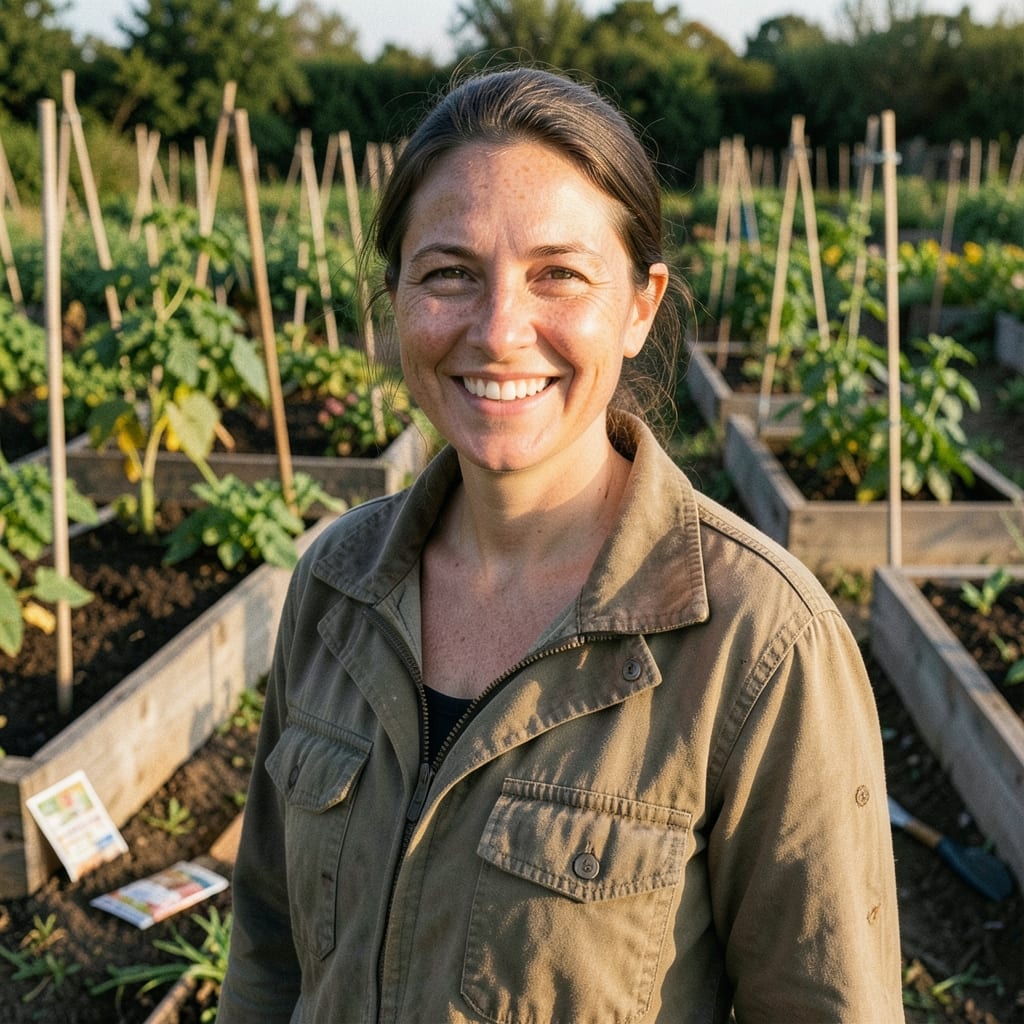
I remember the first time I planted a seed—it was a sunflower in a cracked clay pot on my grandmother’s windowsill. Watching it grow into something bright and tall made me realize how rewarding gardening could be. Now, I’m here to share the joy of cultivating your own little patch of green, whether you’re a seasoned green thumb or just starting out. My goal is to make gardening approachable, practical, and full of small victories that make the effort worth it.
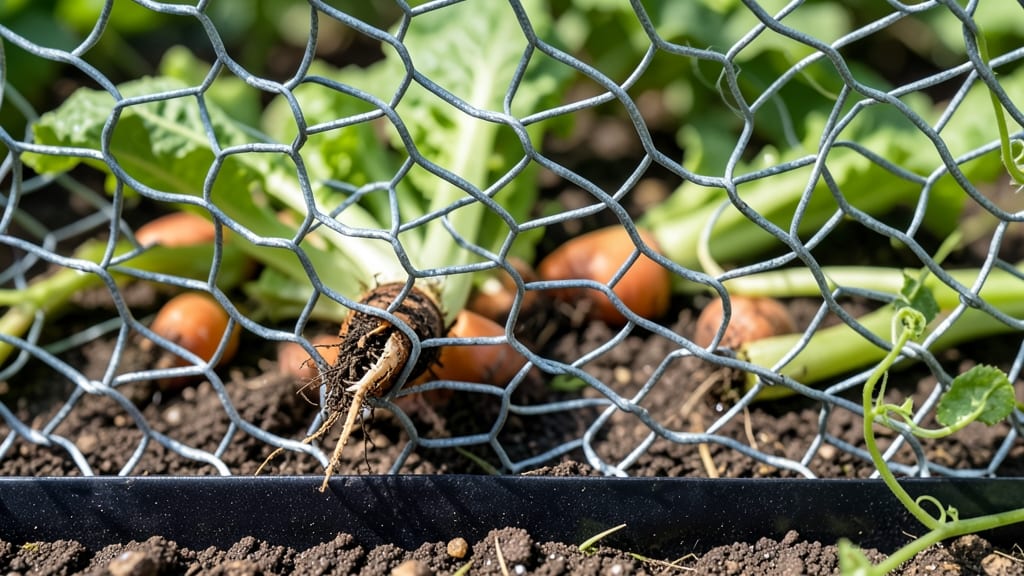
💥 Quick Answer To prevent groundhogs from eating your garden, install wire mesh fencing buried at least 12 inches deep, combine it with natural repellents like castor oil-based sprays or predator urine, and avoid traps…
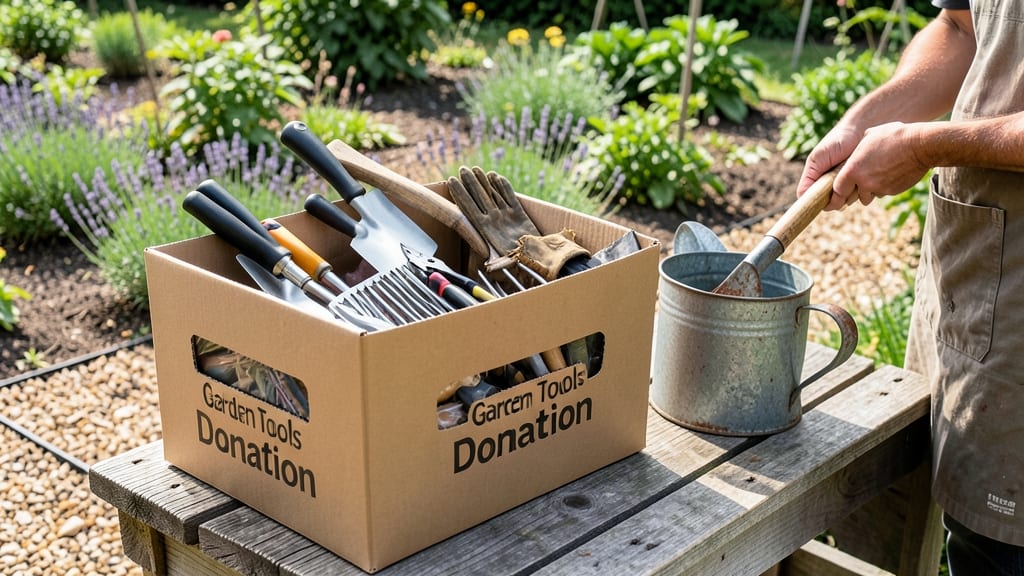
💥 Quick Answer To donate garden tools, look for local charities like Habitat for Humanity ReStore, community gardens, or food banks that support sustainable gardening initiatives. These organizations often redistribute…
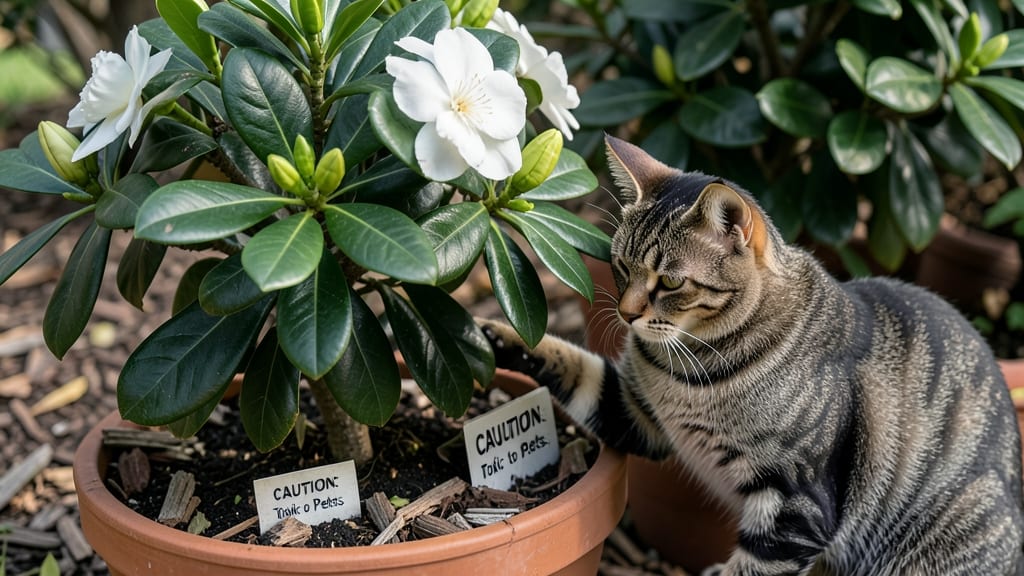
💥 Quick Answer Gardenia plants are toxic to cats because their flowers and leaves contain harmful saponins and irritating compounds that trigger vomiting, excessive drooling, and lethargy when chewed or ingested. Always…
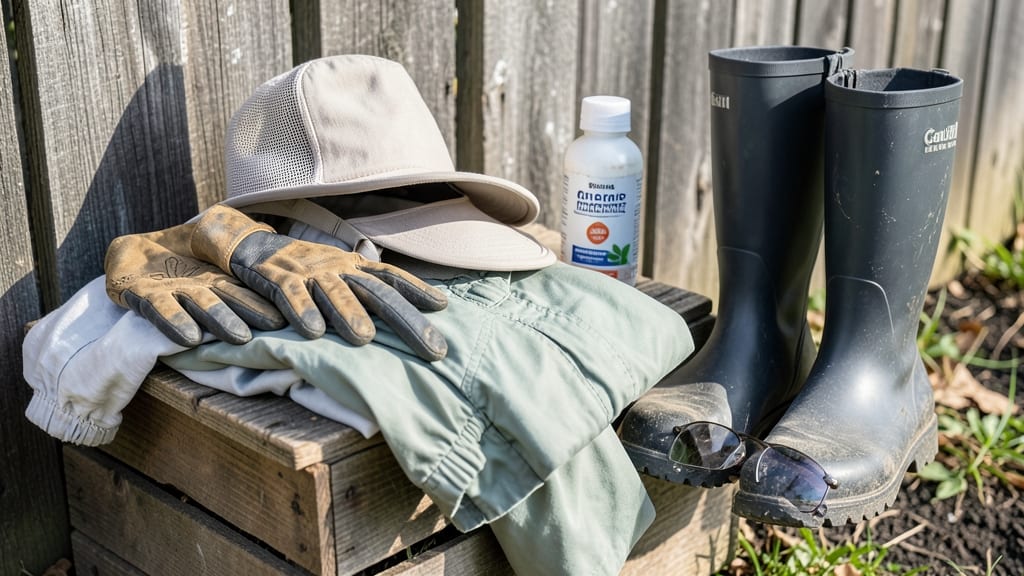
💥 Quick Answer What to wear while gardening means layering breathable fabrics like moisture-wicking long sleeves, sturdy pants, and closed-toe shoes for full-body protection against sun, dirt, and scratches. Gardening…
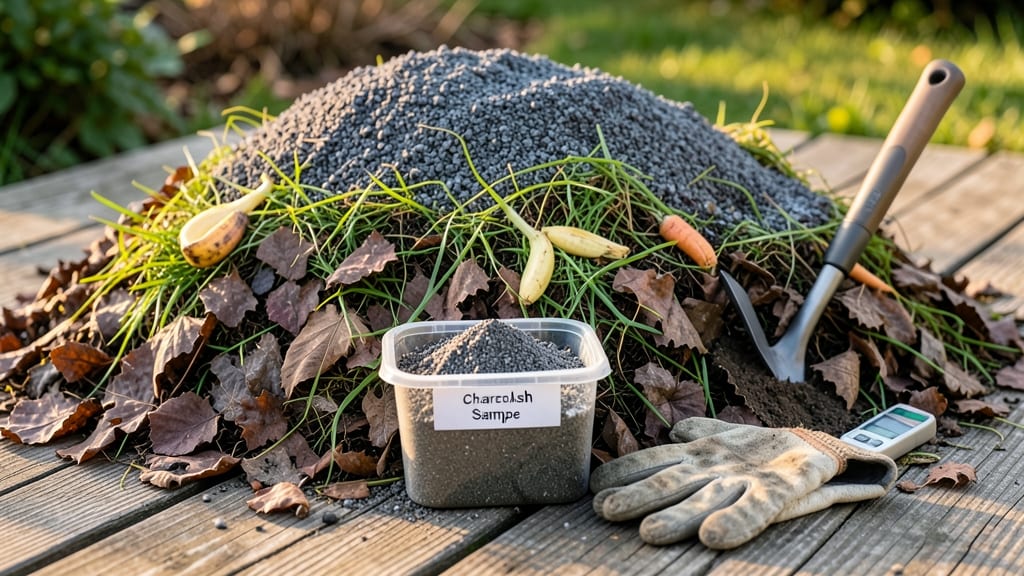
💥 Quick Answer You can use charcoal ashes in your garden to boost soil fertility, increase pH levels, and deter weeds—but only in small amounts to prevent over-alkalizing sensitive plants. Charcoal ashes work by…
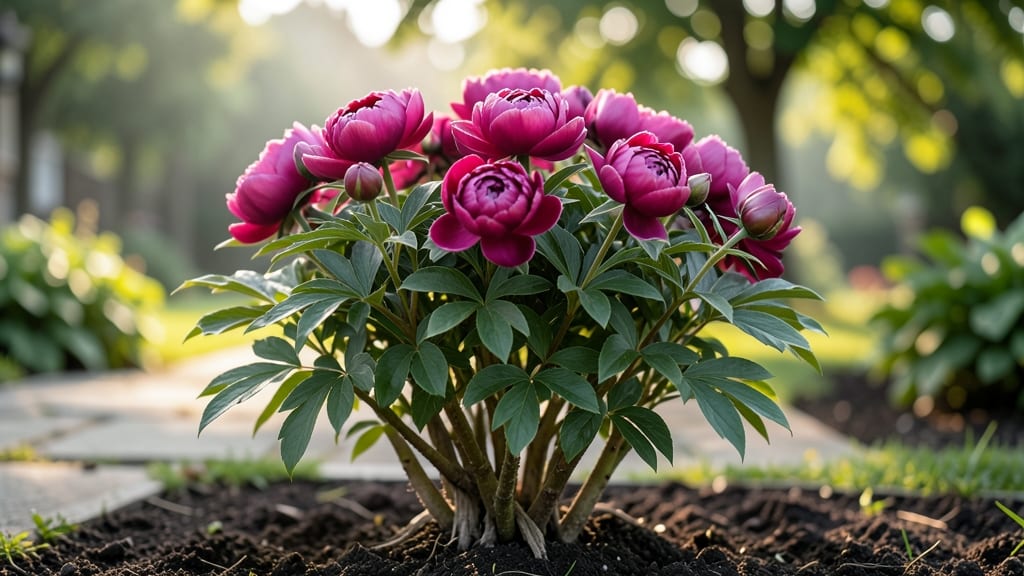
💥 Quick Answer Adelman Peony Gardens in Oregon features over 1,000 stunning peony varieties in full bloom from late May through June, offering guided tours, a charming gift shop, and breathtaking photo opportunities…
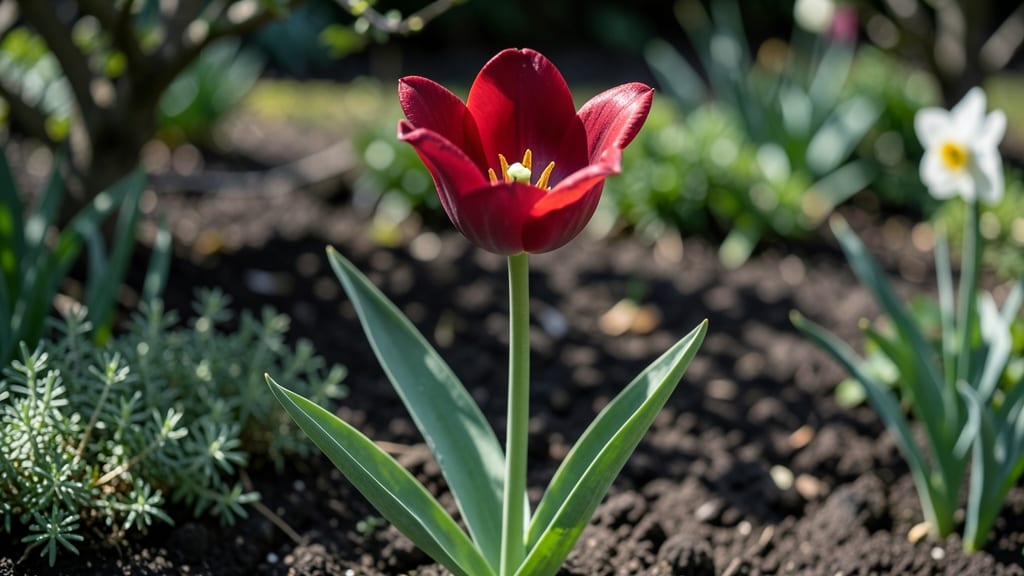
💥 Quick Answer Spring garden weather thrives when daytime temperatures reach 50–75°F (10–24°C) , with nighttime lows above 40°F (4°C) to safely plant frost-sensitive crops like tomatoes and peppers. Monitor local frost…
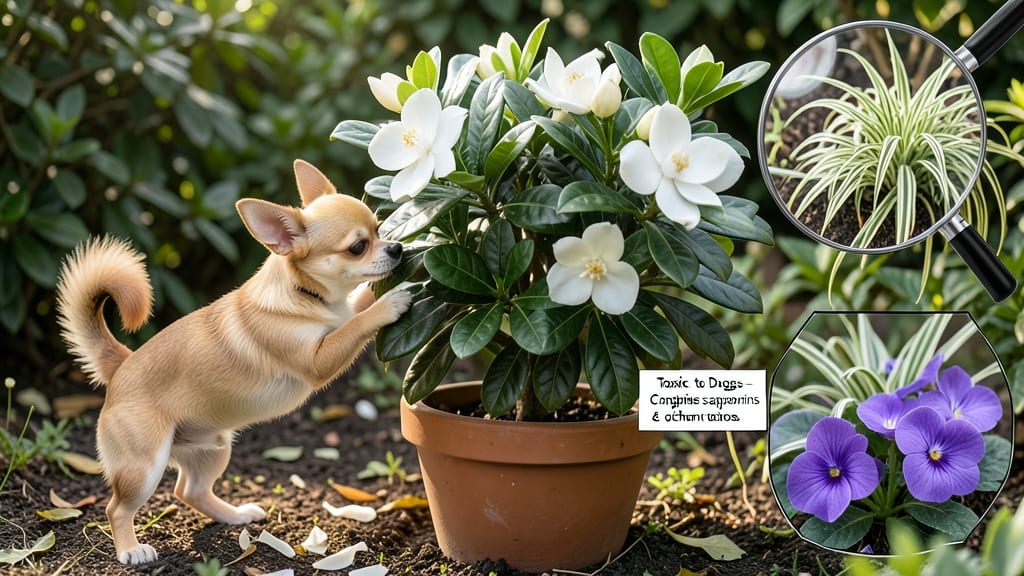
💥 Quick Answer Gardenia plants are poisonous to dogs, containing toxic compounds like saponins and glycosides that can cause vomiting, drooling, and lethargy if ingested. Immediate vet care is critical if exposure…
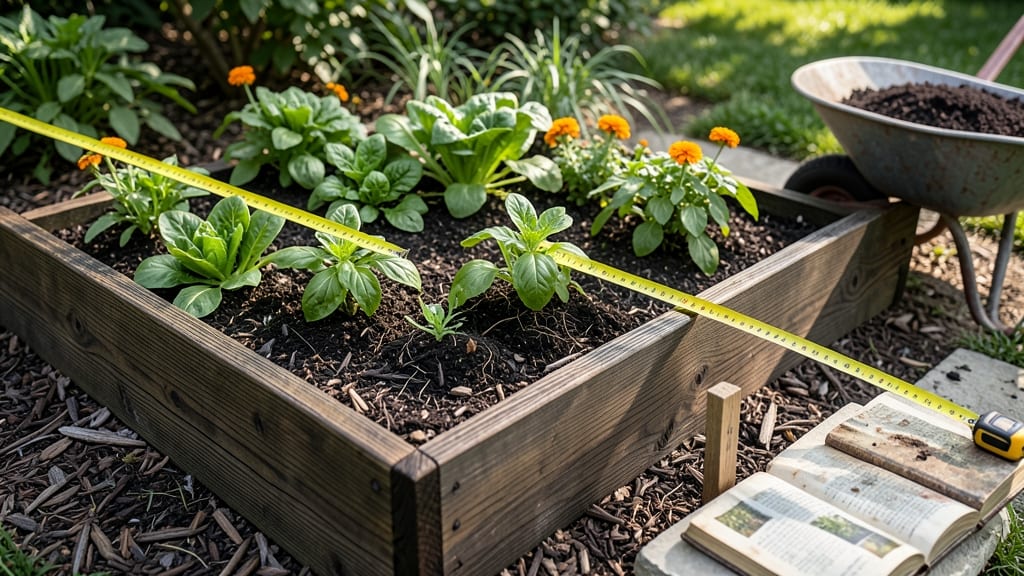
💥 Quick Answer Standard garden bed sizes are designed around 4 feet wide and 8–12 feet long, with rows spaced 18–36 inches apart to maximize plant growth, airflow, and accessibility for maintenance. These dimensions…
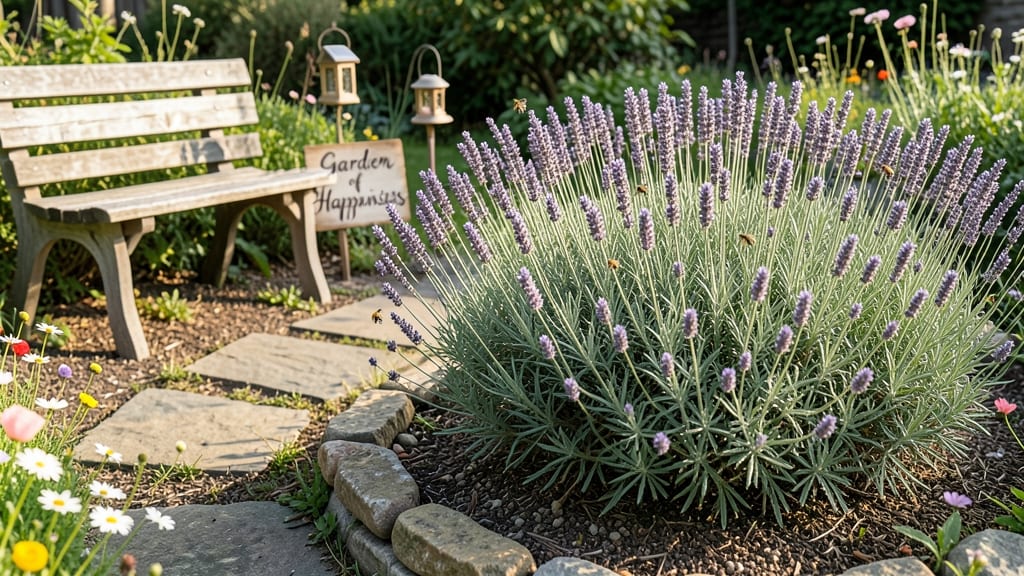
💥 Quick Answer The Garden of Happiness is a thoughtfully designed outdoor space featuring uplifting plants like lavender, sunflowers, and aromatic herbs such as basil and rosemary, all chosen for their mood-enhancing…