
Plants
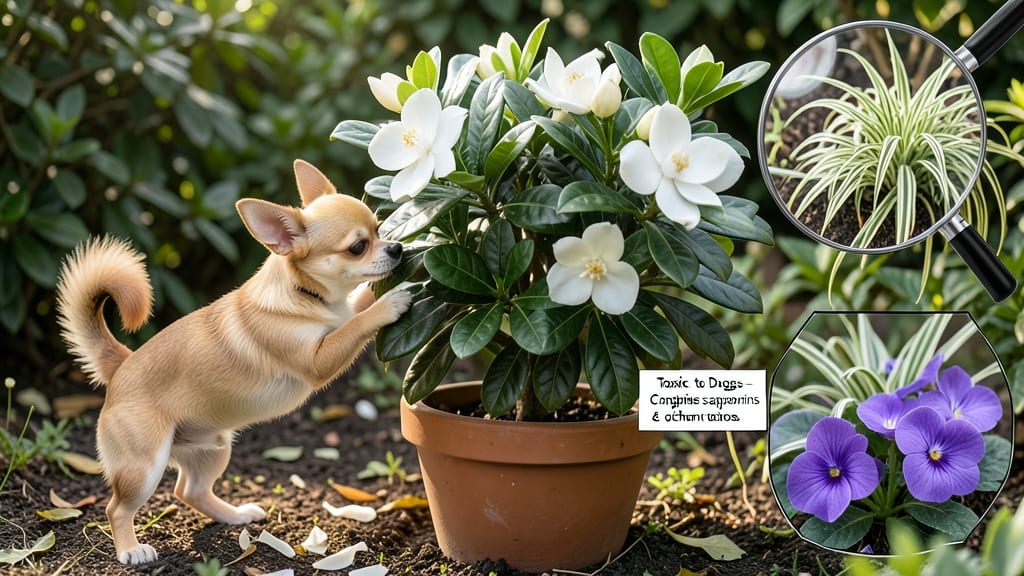
Gardenia plants are poisonous to dogs, containing toxic compounds like saponins and glycosides that can cause vomiting, drooling, and lethargy if ingested. Immediate vet care is critical if exposure occurs.
Gardenia flowers may look harmless, but their leaves and stems contain harmful chemicals that can make dogs seriously ill. 🐾 The saponins in these plants disrupt your dog's digestive system and may even affect their nervous system, leading to symptoms like diarrhea or weakness.
Even small amounts of gardenia can trigger reactions, so it's best to keep your pup away from any part of the plant.
If you love gardening but want to keep your yard pet-friendly, consider safer alternatives like roses or sunflowers. These plants add beauty without the risk. Always double-check new plants before bringing them home—many common garden varieties can be dangerous to curious pets.
💡 In This Article
- Toxic Compounds in Gardenia Plants and Their Effects on Dogs
- Safe Pet-Friendly Garden Alternatives to Gardenia Flowers
Toxic compounds in gardenia plants and their effects on dogs
Gardenia plants contain two primary toxic compounds that pose serious risks to dogs: saponins and glycosides. Saponins are natural detergents found in many plants, including gardenias, that create soapy bubbles when mixed with water.
In dogs, these compounds irritate the gastrointestinal lining, causing inflammation and disrupting nutrient absorption. The glycosides in gardenias—specifically cardiac glycosides—can interfere with your dog's heart rhythm by mimicking natural hormones, leading to dangerous arrhythmias.
The severity of symptoms depends on what part of the plant your dog ingests. Leaves and stems contain the highest concentrations of saponins, often causing immediate vomiting and drooling within 30-60 minutes of ingestion. Flowers are less toxic but still pose a risk, especially if consumed in large quantities.
A 10-pound dog might experience mild symptoms after eating just 2-3 leaves, while larger dogs could show severe reactions from larger amounts. The plant's bitter taste may deter some dogs, but curious pups often nibble regardless.
When ingested, these toxins trigger a cascade of reactions in your dog's body. The saponins cause excessive saliva production and gastrointestinal upset, while glycosides may lead to weakness, tremors, or even seizures in extreme cases. 🐕 The nervous system can also be affected, resulting in lethargy or confusion.
Unlike some toxins that cause immediate collapse, gardenia poisoning often progresses gradually, making it harder to detect early. This delayed reaction is why pet owners should monitor their dogs closely after potential exposure.
Diagnosing gardenia toxicity typically involves a vet examining your dog's symptoms and possibly running blood tests to check organ function. Treatment focuses on supportive care, such as inducing vomiting (if ingestion was recent), administering activated charcoal to bind toxins, and providing IV fluids to prevent dehydration from vomiting or diarrhea.
In severe cases, hospitalization may be required to stabilize your dog's heart rhythm or manage neurological symptoms.
Prevention is key, especially since gardenias are popular in landscaping and indoor decor. Always supervise your dog outdoors and remove any gardenia plants from your home or yard if your pet has a history of chewing on plants.
Even small amounts of gardenia can be dangerous, so err on the side of caution. If you suspect your dog has ingested any part of a gardenia plant, contact your vet or a pet poison hotline immediately—time is critical in preventing serious complications.
Understanding these toxins helps pet owners recognize the risks and take proactive steps to protect their dogs. While gardenias are beautiful, their toxicity makes them a high-risk plant for curious pets. Always prioritize your dog's safety by choosing pet-friendly alternatives and keeping harmful plants out of reach. 🌿