
Pests
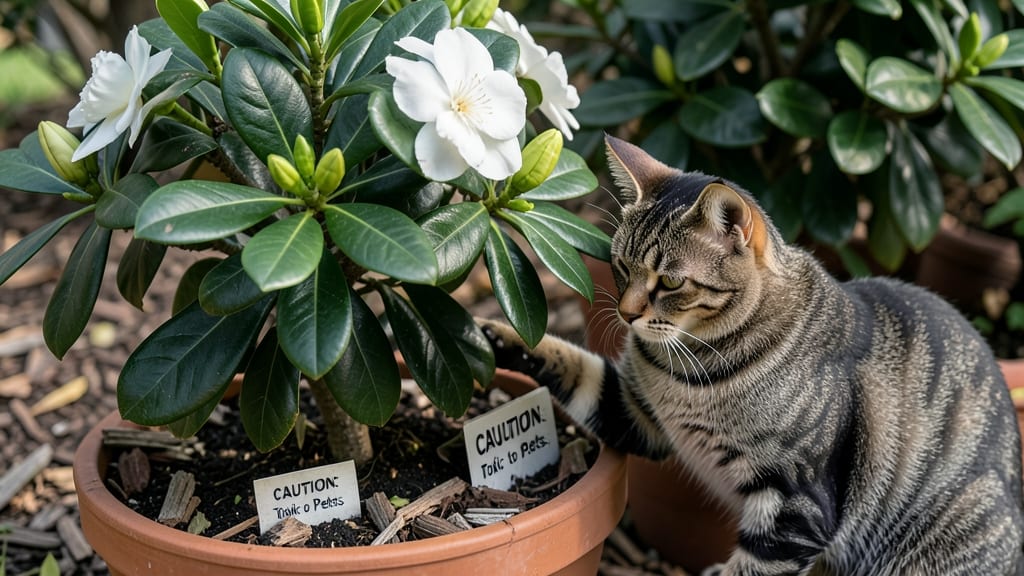
Gardenia plants are toxic to cats because their flowers and leaves contain harmful saponins and irritating compounds that trigger vomiting, excessive drooling, and lethargy when chewed or ingested. Always place them out of reach or switch to safer pet-friendly options like spider plants or Boston ferns.
Gardenia toxicity stems from two key concerns: the plant's natural saponins, which act as soap-like irritants in a cat's digestive system, and its essential oils, which can cause skin irritation or respiratory discomfort. 🐱 Even small nibbles may lead to symptoms appearing within hours, so immediate vet attention is crucial if you suspect ingestion.
The good news is that many cat-safe alternatives offer similar beauty—like marigolds or pansies—without the risks.
For pet owners, the best approach is prevention. Place gardenias in hanging baskets or high shelves where curious paws can't reach, and consider adding cat grass or catnip as safe distractions.
Always double-check new plants before bringing them home—many common houseplants, like lilies or aloe, pose even greater dangers to cats.
💡 In This Article
- Why Gardenia Plants Are Dangerous for Cats
- Best Cat-Friendly Flowering Plants for Gardens
Why gardenia plants are dangerous for cats
The toxicity in gardenias comes from a combination of natural compounds that disrupt a cat's delicate systems. The most concerning is saponins, a group of plant chemicals that act like soap when ingested.
These compounds create foamy saliva and irritate the stomach lining, leading to immediate vomiting or diarrhea. 🔥 Gardenias also contain essential oils (like geraniol and linalool) that can cause skin irritation or respiratory distress when inhaled or absorbed through paw pads.
When a cat chews gardenia leaves or flowers, the saponins trigger a chain reaction: first, the mouth and throat become inflamed (noticeable drooling or pawing at the face), then the digestive system reacts with forceful vomiting or watery diarrhea within 30 minutes to 2 hours.
In severe cases, the nervous system may show signs of weakness or tremors due to the body's struggle to process these foreign chemicals. The ASPCA reports that even small amounts—like a single leaf—can cause noticeable symptoms in cats.
What makes this particularly risky is how gardenias affect different parts of a cat's body. The essential oils can cause chemical burns in the mouth, while the saponins disrupt electrolyte balance, leading to dehydration.
You might observe your cat pawing at their face, refusing food, or hiding more than usual—all classic signs of distress. 💛 The good news is that most cases resolve within 24-48 hours with supportive care, but severe reactions require immediate veterinary attention.
Interestingly, the toxicity level varies by plant part: flowers contain higher concentrations of saponins than leaves, making them more dangerous. The fragrance itself can also be problematic—cats have a far more sensitive sense of smell than humans, and the strong floral scent may trigger respiratory irritation even without ingestion.
This is why some cats show symptoms like sneezing or coughing after simply brushing against gardenia bushes.
If you're a gardenia lover with cats, the key is minimizing exposure. Keep plants in hanging baskets (at least 6 feet high) or behind pet-proof barriers. Consider using artificial gardenias in high-risk areas, as they provide the same visual appeal without the chemical dangers.
Always monitor your cat's behavior after introducing new plants—curiosity often leads to accidental poisoning.
For pet owners who enjoy gardening, this is a critical reminder that even beautiful plants can pose hidden risks. The good news is that cat-safe alternatives exist—many of which offer vibrant colors and textures without the toxicity. 🌟