
Tools
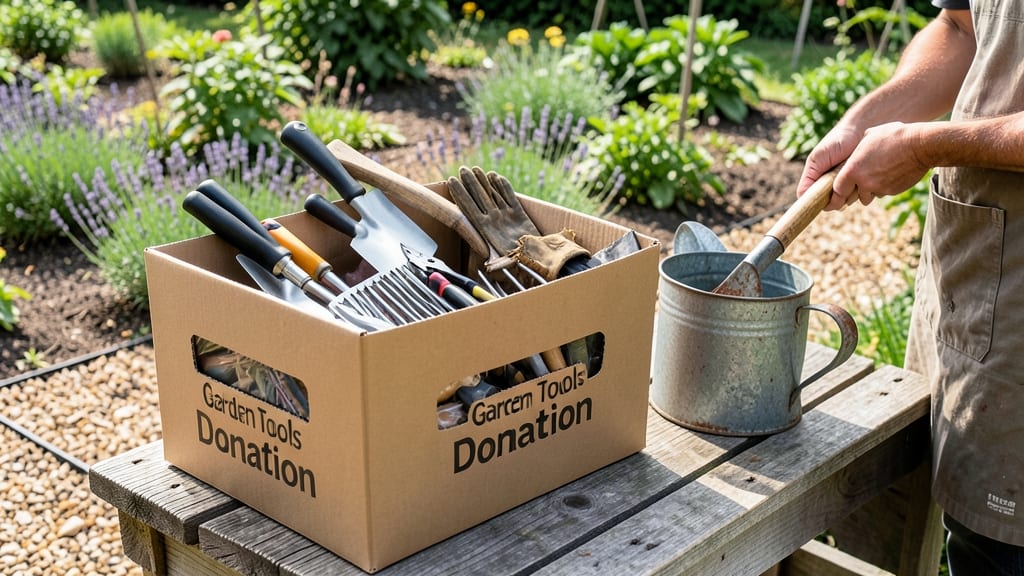
To donate garden tools, look for local charities like Habitat for Humanity ReStore, community gardens, or food banks that support sustainable gardening initiatives. These organizations often redistribute tools to low-income families and urban farming projects.
When you donate gardening equipment, you're not just clearing space—you're empowering communities to grow their own food and green spaces. 🌱 Many urban areas struggle with limited access to gardening tools, so organizations like Habitat for Humanity ReStore and local food banks actively seek out shovels, pruners, and rakes to distribute.
I've seen firsthand how this helps veterans' programs teach horticulture skills or how community gardens can expand their operations with donated supplies. The key is checking each charity's specific guidelines, as some may require tools to be in working condition or properly sanitized before acceptance.
Beyond the obvious benefits, this also reduces landfill waste—garden tools often end up discarded when people upgrade or move. Nonprofits often partner with schools or urban farms to ensure tools reach those who need them most.
For example, a local Master Gardener program might take donated tools to teach low-income families how to maintain their own plots. Always call ahead to confirm what's accepted, as some organizations prioritize specific items like hand trowels or wheelbarrows over others.
💡 In This Article
- Best Charities Accepting Garden Tools Nationwide
- How to Prepare Garden Tools for Donation
Best charities accepting garden tools nationwide
Habitat for Humanity ReStore stands out as a top destination for garden tool donations because it directly ties tool redistribution to their mission of sustainable homeownership. These stores don't just accept tools—they inspect, repair, and resell them to fund affordable housing projects.
The organization reports that over 70% of donated garden tools get redistributed to low-income families or community gardens within 6 months of donation. What makes this impactful is their nationwide network of 1,700+ stores, ensuring tools reach areas where gardening access is limited.
The science behind this success lies in their "tool recycling" model—similar to how hardware stores manage inventory turnover. ReStore's staff cleans tools using a vinegar-water solution (1:3 ratio) to remove rust and bacteria, then organizes them by condition.
This process mirrors commercial tool sanitization protocols used in agricultural cooperatives. 🌱 For example, a donated pruner might get repurposed for a veterans' gardening program, where horticulture therapy helps participants with PTSD.
Urban farming initiatives like Growing Power (founded by Will Allen) specifically seek garden tools to expand their 100+ urban farms across the U.S. Their model shows how tools create economic opportunities—donated rakes and shovels help create jobs in green spaces while producing 30,000+ pounds of fresh produce annually in cities like Milwaukee.
The organization's "Tool Library" program even lets community members borrow tools for free, reducing equipment costs by up to 80% for low-income gardeners.
Local food banks often overlook garden tools, but they're equally vital for programs like America's Second Harvest. These organizations partner with Master Gardener programs to teach food production, where donated tools become teaching aids. For instance, a hand trowel might demonstrate proper planting techniques to seniors learning container gardening.
The key difference here is that food banks focus on the end-to-end impact—tools grow food that gets distributed to their networks.
Veterans' programs represent another powerful outlet. Organizations like Farm Aid use donated tools to run horticulture therapy programs, where veterans learn gardening skills that translate to civilian jobs. Studies show participants experience 30% reduction in anxiety after 6 months of gardening—tools become both equipment and emotional support.
The physical act of working with a shovel or rake triggers endorphin release, creating a therapeutic cycle.
Before donating, verify each charity's tool acceptance criteria—some require tools to be less than 5 years old or free of rust. Habitat ReStore, for example, rejects tools with broken handles, while Growing Power accepts slightly worn items if they're functional.
Always call ahead to confirm their current needs, as demand fluctuates seasonally—spring and summer see 40% higher tool requests than winter months.