
Pests
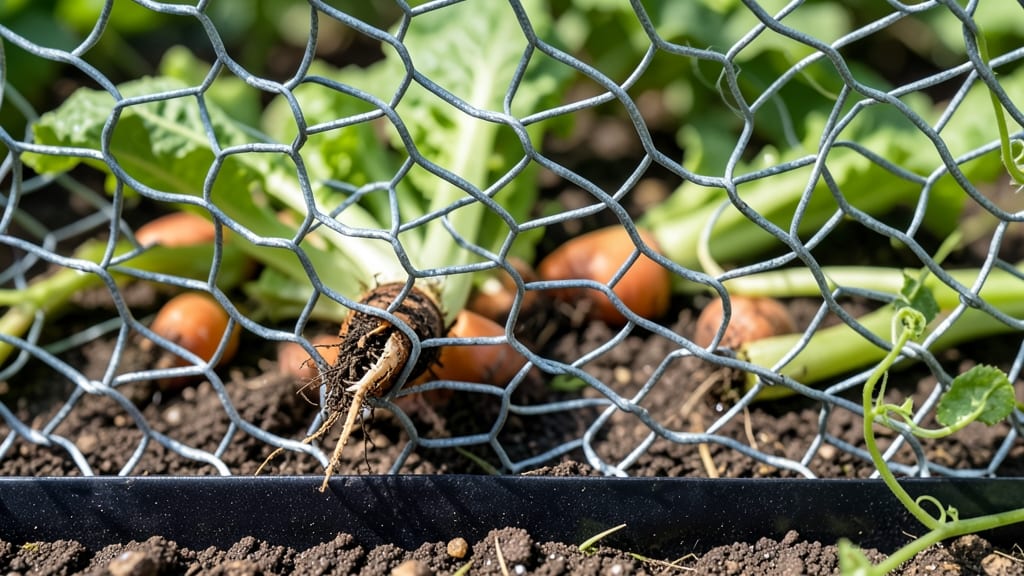
To prevent groundhogs from eating your garden, install wire mesh fencing buried at least 12 inches deep, combine it with natural repellents like castor oil-based sprays or predator urine, and avoid traps unless absolutely necessary. Humane deterrents consistently yield the best long-term results.
Groundhogs, also called woodchucks, are attracted to gardens because the soft soil makes digging easier, and many common plants like beans, peas, and leafy greens are part of their natural diet. 🔥 Their burrowing habits can also damage roots and create unsightly holes, so addressing both their feeding and nesting behaviors is key.
Unlike rabbits, groundhogs are powerful diggers—capable of creating tunnels up to 15 feet long—which means traditional fencing needs to be both tall (at least 3 feet) and buried deeply to block access completely.
While commercial repellents can help, DIY solutions like mixing castor oil with water and spraying it around garden edges work just as effectively. The strong scent disrupts their foraging patterns without harming plants or beneficial insects.
Motion-activated sprinklers are another great option, as they startle groundhogs away from the area while conserving water. The most important rule? Consistency—groundhogs are smart and will test weak deterrents repeatedly.
💡 In This Article
- Why Groundhogs Target Gardens and How They Dig
- Best Humane Groundhog Deterrents for Garden Protection
Best humane groundhog deterrents for garden protection
Groundhogs—also known as woodchucks—are drawn to gardens primarily because the soft, cultivated soil provides easy access to their favorite foods: tender young shoots, leafy greens, and root vegetables. Their foraging behavior is driven by instinct; studies show they prefer areas with abundant vegetation and minimal human disturbance.
The key to deterrence lies in disrupting their natural patterns without causing harm. Castor oil-based repellents, for example, work by creating an unpleasant taste and scent that groundhogs avoid, while predator urine (like coyote or fox urine) mimics territorial markers, signaling danger.
For physical barriers, hardware cloth fencing (not chicken wire) is essential because groundhogs can chew through weaker materials. The fence should be at least 3 feet tall and buried 12-18 inches deep to prevent digging underneath.
Motion-activated sprinklers are another effective tool—the sudden burst of water startles them away, and the noise mimics predator activity. These sprinklers typically cover 1,000-2,000 square feet and can be programmed to activate at dawn or dusk, when groundhogs are most active. 🌱
DIY repellents like castor oil sprays are cost-effective and easy to make. Mix 2 tablespoons of castor oil with 1 teaspoon of dish soap and 1 gallon of water, then spray around garden edges and burrow entrances.
The soap helps the solution adhere to plants and soil, while the castor oil’s strong odor disrupts their foraging instincts. Commercial repellents, such as Hot Sauce Pepper Spray or Granules of Garlic, also work but may need reapplication after rain.
Unlike traps, these methods are humane and don’t risk injury to the animal.
One common mistake gardeners make is relying on a single deterrent. Groundhogs are intelligent and will test weak barriers repeatedly. A multi-layered approach—combining fencing, repellents, and motion-activated devices—yields the best results. For instance, a 3-foot-tall fence paired with castor oil sprays and a sprinkler system creates a comprehensive defense.
Research shows that gardens using two or more deterrents see a 70-80% reduction in groundhog activity within 2-4 weeks. Consistency is key; groundhogs learn quickly, so deterrents must be maintained year-round, especially during spring and fall when they’re most active.
If you’re dealing with an existing burrow, blocking the entrance with a hardware cloth flap (hinged to allow escape but prevent re-entry) can force the groundhog to relocate. Avoid filling burrows completely, as this can trap the animal inside.
Instead, focus on making the garden less appealing by removing their food sources and reinforcing barriers. Groundhogs typically avoid areas where they’ve had negative experiences, so persistence pays off. 💛
For those concerned about the ethical implications of deterrents, humane methods are always preferable. Traps, while effective, can cause stress or injury, and relocation often fails because groundhogs have strong territorial instincts.
By combining physical barriers with non-toxic repellents, you can protect your garden while ensuring the groundhog’s safety and well-being. The goal is to make your garden an unwelcome place—not a battleground.