
Vegetables
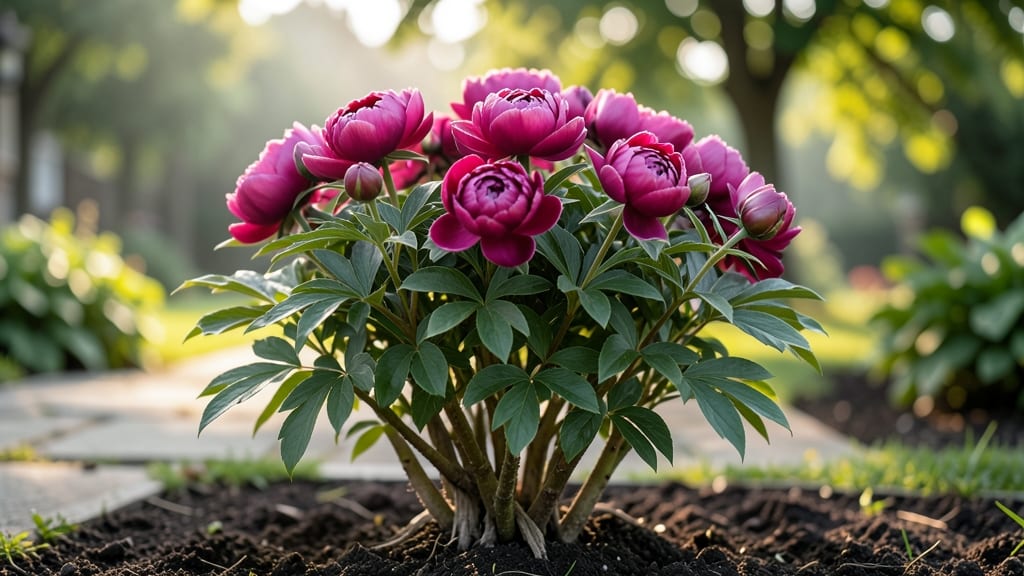
Adelman Peony Gardens in Oregon features over 1,000 stunning peony varieties in full bloom from late May through June, offering guided tours, a charming gift shop, and breathtaking photo opportunities. The gardens reach their peak splendor in late May to early June, making it a floral paradise for visitors during the prime bloom season.
Nestled in Oregon's Willamette Valley, Adelman Peony Gardens stands out as the largest peony collection in the U.S., with some varieties dating back over a century. 🌸 The gardens' carefully curated selection includes heirloom peonies alongside modern hybrids, creating a visual feast that changes daily as blooms progress through their 10-day cycle.
What makes this experience special is the combination of education and beauty—the knowledgeable staff often share stories about each variety's history and growing conditions, adding depth to the visit.
Beyond the main gardens, visitors can explore themed sections like the "Peony Walk" and "Heritage Collection," each offering unique perspectives on these iconic flowers. The annual Peony Festival in June transforms the gardens into a vibrant celebration, complete with live music, food vendors, and family-friendly activities.
I always recommend arriving early to secure prime viewing spots and avoid crowds during peak bloom days.
💡 In This Article
- Peony Bloom Seasons and Best Visiting Times
- Hidden Gems and Must-See Features at Adelman Peony Gardens
Peony bloom seasons and best visiting times
The peony blooming cycle at Adelman Peony Gardens follows a precise botanical rhythm tied to Oregon's temperate climate. Peonies require at least 600-800 hours of chilling temperatures below 45°F during winter dormancy to trigger spring blooms.
The Willamette Valley's microclimate—with its mild winters and cool summers—creates perfect conditions for this process. 🌸 What's fascinating is how daylight length acts as the final trigger: once days exceed 14 hours of sunlight (typically late April), the plants shift from vegetative growth to flowering.
Peonies bloom in waves, with early varieties like 'Sarah Bernhardt' opening as early as mid-May, while late bloomers such as 'Bowl of Beauty' may not peak until late June.
The 10-day bloom cycle for each variety means the gardens transform daily—what looks like a bud on Monday may be a full bloom by Wednesday. Temperature fluctuations matter too: ideal bloom conditions are between 60-75°F during the day and 50-55°F at night.
Cooler evenings help prolong the bloom period, which is why Oregon's maritime climate extends the viewing window compared to hotter inland regions.
For visitors, timing is everything. The absolute peak period is late May through early June, when 80-90% of varieties are in full bloom simultaneously. I always recommend planning your visit for weekday mornings—the light is softer, crowds are thinner, and you'll catch the dew-kissed blooms at their freshest.
The gardens' elevation of 200 feet above sea level also creates microclimates where some varieties bloom 5-7 days earlier than their lowland counterparts.
What most visitors don't realize is how peony colors change throughout the day. Early morning sunlight enhances the pink and red hues, while afternoon light brings out the cream and yellow tones.
The Heritage Collection—with varieties dating back to the 1800s—often blooms 3-5 days later than modern hybrids, creating a layered visual experience. This chronological blooming ensures the gardens remain vibrant for 6-8 weeks, not just the single peak week many expect.
Pro tip: Check the gardens' annual bloom forecast (available online) for real-time updates—unusual weather can shift peak bloom by 7-10 days. For example, in 2022, an early heatwave caused some varieties to bloom 14 days ahead of schedule.
The staff tracks these variations and often share this data during guided tours, adding a scientific dimension to the floral experience.
Beyond the main bloom season, late summer offers a different magic: the foliage display becomes the star show. Peony leaves develop rich deep green to burgundy hues as summer progresses, creating a completely different visual experience.
This makes August and September worthwhile visits for those who want to see peonies in their full lifecycle.