
Tools
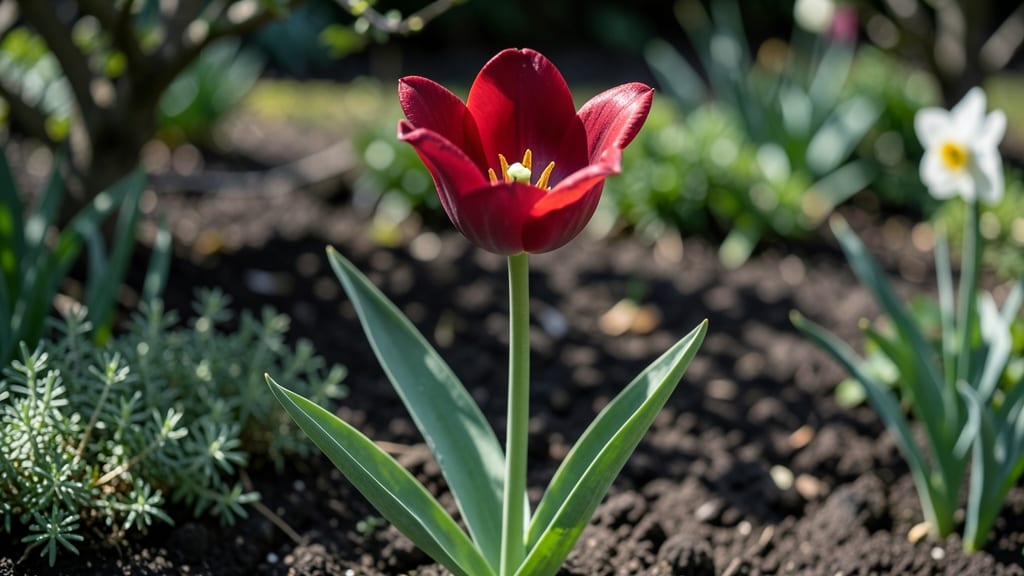
Spring garden weather thrives when daytime temperatures reach 50–75°F (10–24°C), with nighttime lows above 40°F (4°C) to safely plant frost-sensitive crops like tomatoes and peppers. Monitor local frost dates and soil warmth for optimal seed germination and transplant success.
Perfect spring garden weather isn't just about warm days—it's about the balance between air and soil temperatures. 🌱 When nights stay above 40°F (4°C), frost-sensitive plants like basil and cucumbers finally get the stable conditions they need to thrive.
I've found that using a soil thermometer to check for 60–70°F (15–21°C) in the top few inches is the real game-changer for seed germination rates. This is especially true in transitional zones where spring can swing wildly between cold snaps and heatwaves.
What many gardeners overlook is how microclimates create local variations—your backyard might be 5°F warmer than the official weather station just a mile away. That's why I always cross-reference my planting dates with both the USDA hardiness zone map and my own observations from past seasons.
For example, in Zone 6, I might start warm-season crops two weeks earlier than the average last-frost date if I've noticed consistent warmth in my specific microclimate.
💡 In This Article
- How Temperature and Frost Affect Spring Planting Success
- Creating a Spring Planting Schedule by Region and Plant Type
How temperature and frost affect spring planting success
Frost damage occurs when ice crystals form inside plant cells, rupturing their membranes and causing irreversible cellular damage. This typically happens when temperatures drop below 32°F (0°C), but many frost-sensitive plants like tomatoes and peppers suffer damage even at 35°F (2°C).
The real culprit is the rapid ice formation during freezing, which creates sharp, jagged crystals that pierce cell walls. This is why nighttime lows above 40°F (4°C) are critical—they prevent this cellular trauma while still allowing daytime warmth to support growth. 🌱
Soil temperature plays an equally vital role in germination success. Most vegetable seeds need soil to reach 60–70°F (15–21°C) before they'll sprout reliably. This is because enzymes in the seed that break down stored nutrients for growth become active only at these warmer temperatures.
For example, lettuce seeds may germinate at 45°F (7°C), but they'll sprout 50% faster at 70°F (21°C). The key is monitoring the top 2 inches of soil—this is where most seeds reside and where heat from the sun penetrates most effectively.
Microclimates create local variations that can shift your planting window by 1–3 weeks. A south-facing wall, for instance, might create a 5°F warmer zone than the rest of your yard, allowing you to plant heat-loving crops like basil 10–14 days earlier.
Similarly, low-lying areas collect cold air and can remain 10°F colder than higher elevations. That's why I always test multiple spots in my garden with a soil thermometer before committing to planting dates.
In USDA Zone 5, this might mean waiting until May 15 in a cold pocket, while the sunny microclimate by my patio can handle tomatoes by May 1.
Another critical factor is the rate of temperature change. A sudden drop from 75°F (24°C) to 35°F (2°C) in one night can be devastating, while a gradual cooling allows plants to harden off naturally.
This is why extended forecasts showing consistent nighttime lows above 40°F (4°C) for at least 5–7 days give me confidence to plant frost-tender crops.
For example, in my Zone 7 garden, I wait until after Mother's Day (around May 10) because that's historically when we see the last frost of the season.
USDA hardiness zones provide a baseline, but they're not foolproof. Zone 6 might average 100 frost-free days, but your specific location could have 110 or just 90 depending on elevation and proximity to large bodies of water.
That's why I cross-reference with local cooperative extension service data and track my own records for at least 3 years.
For instance, in my experience, Zone 6a gardens in the Appalachian Mountains often get 2 weeks fewer frost-free days than those in the Piedmont region just 50 miles away. 🌡️
One advanced technique I've found helpful is using row covers or cold frames to extend the planting season. These can raise soil temperatures by 5–10°F (3–6°C) and protect against light frosts.
For example, I've successfully planted broccoli in early April under row covers when the soil would otherwise be too cold. The key is removing the covers during the day to allow sunlight penetration and replacing them at night when temperatures drop.
This gives me an extra 3–4 weeks of growing time for cool-season crops.