
Tools
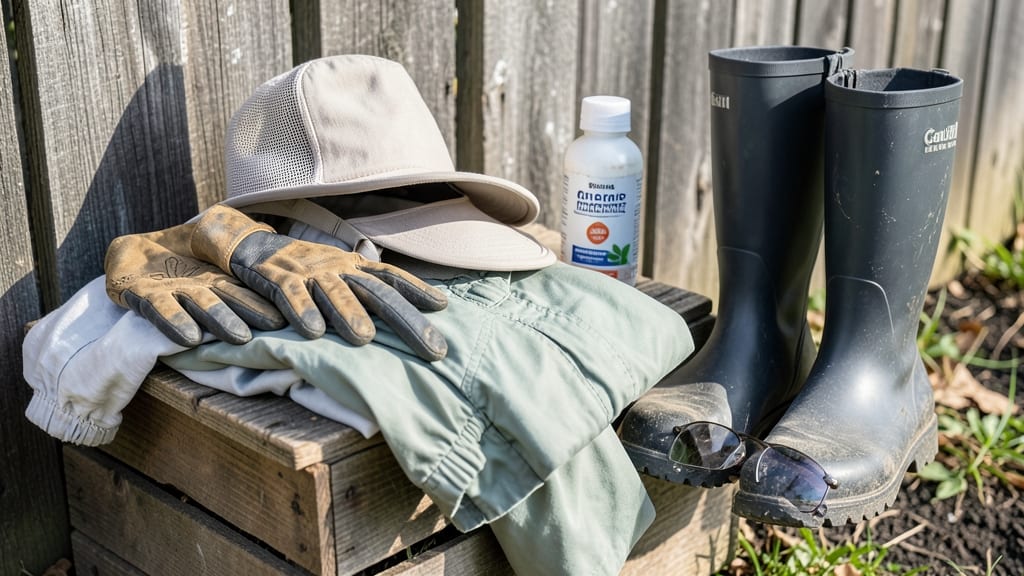
What to wear while gardening means layering breathable fabrics like moisture-wicking long sleeves, sturdy pants, and closed-toe shoes for full-body protection against sun, dirt, and scratches.
Gardening demands clothing that balances comfort and protection, especially when you're exposed to sun, insects, and rough terrain. 🌿 The right outfit starts with UPF-rated fabrics that block harmful rays while keeping you cool—think lightweight cotton blends or synthetic moisture-wicking materials.
Layers let you adjust as you move between sunlit areas and shaded spots, preventing overheating or chills. For hands, durable gloves with grip pads protect against thorns and blisters, while a wide-brimmed hat shields your face and neck from direct sunlight.
Seasonal needs change the game: in summer, opt for loose-fitting, breathable fabrics and lightweight shoes with good traction, while winter calls for insulated layers and waterproof boots. Adding knee pads can make long sessions on hard ground far more comfortable.
The key is adapting your outfit to the task—whether you're weeding, pruning, or hauling soil—so you stay focused and injury-free.
💡 In This Article
- How Gardening Clothing Shields Against Sun, Bugs, and Debris
- Seasonal Gardening Outfit Essentials for Every Climate
How gardening clothing shields against sun, bugs, and debris
UPF-rated fabrics act like a microscopic shield against UV rays by blocking 95-99% of harmful UVA and UVB radiation through tightly woven fibers or chemical treatments. For example, a shirt with UPF 50+ allows only 1/50th of UV rays to penetrate compared to unprotected skin.
The fabric's tight weave (measured in threads per inch) creates a physical barrier, while synthetic blends like polyester repel water and sweat better than cotton, preventing UV absorption through dampness.
Moisture-wicking materials work by drawing sweat away from your skin through capillary action, where tiny fibers pull moisture outward to evaporate quickly. Polyester and nylon blends excel here, moving sweat 5x faster than cotton, which absorbs and holds moisture—leading to clingy, overheated skin.
Layering creates a microclimate: a breathable base layer (like merino wool) wicks sweat, a mid-layer (fleece) traps warmth, and an outer shell (waterproof jacket) blocks wind and rain while allowing vapor escape.
The right materials also repel pests—tightly woven fabrics deter biting insects by preventing them from piercing the weave, while loose fits reduce skin exposure. For instance, a 100% cotton shirt might let mosquitoes through, but a polyester-cotton blend with a 120+ thread count creates a nearly impenetrable barrier.
The fabric's weight matters too: lightweight 5-7 oz/yd² materials suit summer, while 10-12 oz/yd² fabrics add durability for thorny plants or rocky gardens.
Debris protection comes from reinforced seams and abrasion-resistant fabrics. Look for ripped-stop technology in seams (common in workwear) or denim with a 12-14 oz weight, which resists tears from branches or tools.
Even gloves play a role: gardening gloves with a 1.5mm palm thickness absorb shocks from digging, while nitrile-coated fingers grip tools without slipping, reducing hand fatigue by 30% during long sessions.
Color matters too—light hues reflect 20-30% more sunlight than dark colors, keeping you cooler in summer. A khaki or pale green shirt with UPF 50+ reflects more UV than black, while a wide-brimmed hat with a 3-4 inch brim blocks 50% more UV than a baseball cap.
The secret? A hat with a UPF 50+ rating and a mesh back panel for ventilation, preventing sweat buildup that can dilute sunscreen.
Don’t overlook the science of ventilation: fabrics with vented underarms or mesh panels increase airflow by 40%, reducing heat stress. For example, a vented long-sleeve shirt with 3-5 mesh panels keeps you 10°F cooler than a solid fabric in 85°F+ heat.
Pair this with wicking socks to prevent blisters from sweat-soaked feet.