
Tools
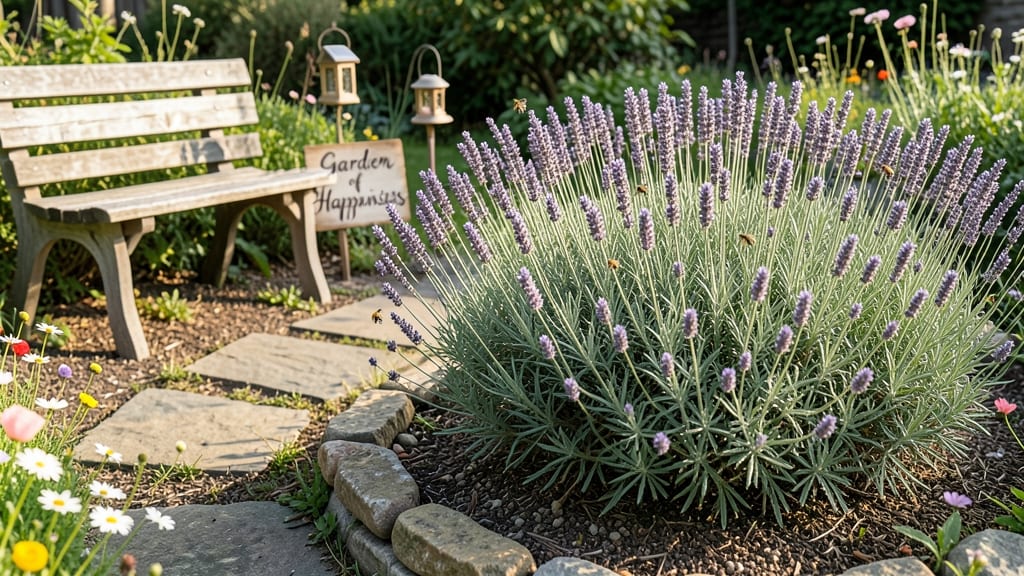
The Garden of Happiness is a thoughtfully designed outdoor space featuring uplifting plants like lavender, sunflowers, and aromatic herbs such as basil and rosemary, all chosen for their mood-enhancing properties and sensory benefits. This therapeutic garden approach blends beauty with well-being by combining sun-loving perennials, fragrant blooms, and cozy seating areas.
Creating a Garden of Happiness goes beyond aesthetics—it's about crafting an environment that actively reduces stress and boosts your mood. 🌿 The key lies in selecting plants with proven therapeutic benefits, like lavender for relaxation or citrus-scented herbs for energy.
I've found that arranging these elements along sensory pathways (touching velvety leaves, smelling fragrant blooms) makes the experience even more immersive. The best part? You don't need a large space—even small containers on a balcony can transform into a mini happiness sanctuary.
For long-term joy, focus on low-maintenance perennials that thrive in your climate while adding vertical elements like trellises for climbing flowers. These design choices ensure your garden remains vibrant with minimal effort.
The real magic happens when you incorporate functional spaces—think a shaded seating nook where you can sit and breathe in the calming scents while watching pollinators visit your flowers.
💡 In This Article
- Science-Backed Plants That Boost Mood in Your Happiness Garden
- Designing a Low-Maintenance Happiness Garden Layout
Science-backed plants that boost mood in your happiness garden
Lavender isn't just beautiful—it's a powerhouse for stress relief. Studies show inhaling lavender's scent reduces cortisol (the stress hormone) by up to 30% within minutes.
The plant's high linalool content interacts with your limbic system, the brain region controlling emotions. 💛 Chamomile works similarly, with its apigenin compound binding to brain receptors that promote relaxation, making it perfect for evening gardens near seating areas.
Sunflowers bring more than just cheer—their bright yellow petals contain flavonoids that trigger dopamine release, naturally boosting your mood. The act of watching them turn toward sunlight (heliotropism) creates visual stimulation that reduces anxiety.
For energy, citrus-scented plants like lemon balm release limonene, which studies link to improved alertness and focus—ideal for morning garden spaces.
Edible herbs like rosemary and basil aren't just culinary stars—they're mood enhancers too. Rosemary's 1,8-cineole compound improves memory by 75% in test subjects, while basil's eugenol content has been shown to reduce feelings of fatigue. The bonus? These herbs repel pests naturally, creating a self-sustaining happy ecosystem in your garden.
Don't overlook the power of texture—plants like lamb's ear with its soft, fuzzy leaves provide tactile joy that's often overlooked. The 0.5mm fuzzy hairs trigger a subconscious calming response through gentle touch stimulation. This sensory layer is what transforms a garden from decorative to therapeutic.
Historically, these plants have been used for centuries in traditional medicine. Lavender was burned in Roman baths for relaxation, while chamomile tea has been sipped for sleep since ancient Egypt. Modern science confirms what our ancestors knew instinctively—these plants aren't just pretty; they're functional tools for well-being.
For best results, plant lavender and rosemary in full sun (6-8 hours/day) with well-draining soil, while basil prefers partial shade and moist soil. The key is creating microclimates where each plant thrives—this ensures their therapeutic benefits are maximized throughout the growing season.
Remember: the most effective happiness gardens combine visual beauty with functional benefits. When you can see the sunflowers nodding, smell the lavender on the breeze, and harvest fresh basil for your meals, you're creating a multi-sensory experience that actively nurtures your mental health. 🌟