
Fertilization
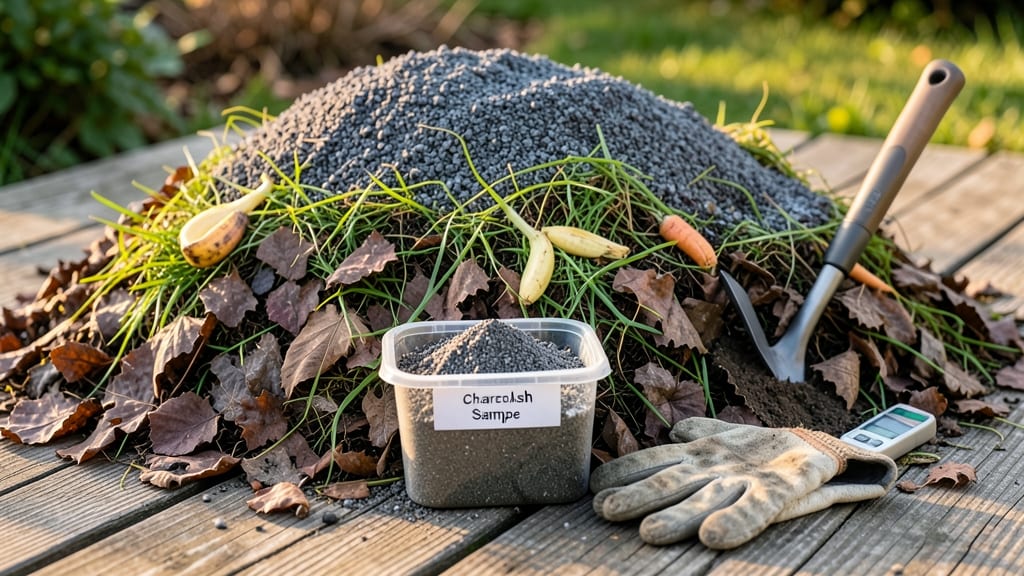
You can use charcoal ashes in your garden to boost soil fertility, increase pH levels, and deter weeds—but only in small amounts to prevent over-alkalizing sensitive plants.
Charcoal ashes work by neutralizing acidic soil, making essential nutrients like phosphorus more accessible to plants. 🔥 For example, tomatoes and peppers thrive with slightly alkaline conditions, while blueberries and azaleas may suffer.
Always test your soil first—ideal pH for most vegetables is between 6.0 and 7.0, so a light application (about 1 cup per 10 sq ft) is usually sufficient. Just remember: too much can create a harsh environment for acid-loving plants.
Beyond pH balance, these ashes also act as a natural weed suppressant by creating an inhospitable environment for unwanted plants. The key is moderation—think of it as a gentle soil amendment rather than a heavy-handed treatment.
Spread them evenly after testing, then water lightly to help distribute the minerals without burning plant roots.
💡 In This Article
- How Charcoal Ashes Affect Soil Chemistry and Plant Growth
- Safe Application Methods for Charcoal Ashes in Gardens
How charcoal ashes affect soil chemistry and plant growth
Charcoal ashes primarily contain potassium carbonate and potassium oxide, which are highly alkaline compounds that react with acidic soil components.
When mixed into the soil, these compounds neutralize hydrogen ions (H+) that contribute to acidity, effectively raising the pH. For example, if your soil tests at a pH of 5.5 (slightly acidic), a light application of charcoal ashes can shift it toward neutral (pH 7.0), where most vegetables thrive.
This chemical reaction also releases potassium, an essential nutrient that enhances root development and disease resistance in plants.
The alkaline nature of charcoal ashes doesn't just alter pH—it also influences nutrient availability. In acidic soils, phosphorus becomes locked up as insoluble iron and aluminum phosphates, making it unavailable to plants. When you raise the pH with charcoal ashes, phosphorus converts to more plant-accessible forms, like phosphate ions (H₂PO₄⁻).
This is why gardeners often see improved growth in phosphorus-hungry crops like tomatoes and peppers after applying these ashes. However, the effect isn't immediate—it typically takes 2-4 weeks for the pH to stabilize and nutrients to become fully available.
But here's the catch: charcoal ashes can push the soil pH too high for sensitive plants. Acid-loving species like blueberries, azaleas, and hydrangeas require pH levels between 4.5 and 5.5 to thrive.
If your garden contains these plants, a heavy application could create a hostile environment, stunting growth or even killing them. The key is precision—always test your soil before applying, and consider spot-treating only the areas where you're growing alkaline-tolerant crops like squash or beans.
Beyond pH and nutrients, charcoal ashes have a secondary benefit: weed suppression. The high pH creates an environment where many common weeds struggle to germinate or grow. This isn't because the ashes are toxic, but because the altered soil chemistry disrupts the natural cycles these plants rely on.
For instance, crabgrass and chickweed often decline in soils with pH above 7.0. However, this effect is temporary—weeds will return if you don't maintain the pH balance through regular soil testing and careful application.
One often-overlooked aspect is the physical texture of charcoal ashes. Unlike powdery lime, which can compact soil, charcoal ashes add a coarse, gritty texture that improves drainage and aeration. This is particularly beneficial in clay-heavy soils where waterlogging is a problem.
The particles create tiny air pockets that roots can penetrate more easily, reducing the risk of rot in moisture-sensitive crops like lettuce or carrots. Just be sure to mix them thoroughly into the top 2-3 inches of soil rather than leaving them on the surface.
For best results, combine charcoal ashes with organic matter like compost. The organic material buffers the pH changes, preventing sudden spikes that could harm soil microbes. A good rule of thumb is to mix 1 part ashes with 3 parts compost before spreading.
This approach gives you the alkaline benefits while maintaining a balanced soil ecosystem. Think of it as a fine-tuning tool rather than a heavy-handed amendment—small, strategic additions yield the best long-term results.