
Tools
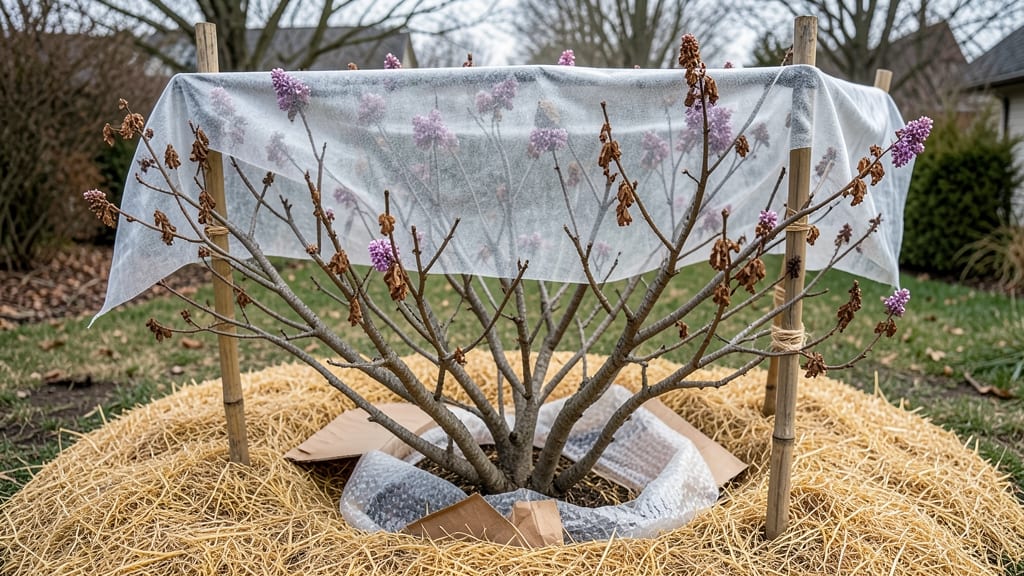
Winter protection for your garden is the key to keeping your plants alive and thriving when spring rolls around.
Frostbite and freezing winds can turn your thriving garden into a winter wasteland—but the right winter protection strategies can shield your plants from the cold while keeping them healthy and ready to rebound in spring.
Whether you’re dealing with delicate perennials or hardy shrubs, the right insulation and wrapping techniques make all the difference. Without them, even the toughest plants can suffer stunted growth or worse.
Below, I’ll show you how to wrap plants for winter, choose the best insulation materials, and avoid common mistakes that can leave your garden vulnerable to frost damage.
Best cold-hardy wraps and insulation methods for winter garden protection
When first frost arrives, your garden doesn't have to become a frozen graveyard of plants. The key lies in smart winter protection using the right materials and techniques.
I've tested everything from frost cloths to DIY insulation methods to keep my tender perennials and young shrubs thriving through sub-freezing temperatures. The right wrap can raise soil temps by 5-10°F, making all the difference between a dead plant and one ready for spring.
Not all protection methods work equally well. For example, burlap wraps excel at protecting tree trunks from voles and deer, while frost cloths are better for vegetable beds. My herb garden thrives under lightweight row covers, but my tropical plants need heavier insulation like straw bales.
Let me break down the best options and when to use each for maximum plant survival.
| Protection Method | Best For | Temp Protection | Ease of Use | Cost |
|---|---|---|---|---|
| Frost Cloth (30g) | Vegetables, herbs, seedlings | 28-32°F | Very Easy | $$ |
| Row Covers (Agribon) | Large garden beds, crops | 25-30°F | Easy | $$$ |
| Burlap Wraps | Tree trunks, shrubs | 15-20°F (with mulch) | Moderate | $ |
| Straw Bales | Tender perennials, tropical plants | 10-15°F | Moderate | $$ |
| DIY Insulation (Cardboard + Mulch) | Root crops, bulbs | 20-25°F | Very Easy | $ |
| Bubble Insulation | Potted plants, small shrubs | 25-30°F | Easy | $$$ |
My go-to for vegetable gardens is frost cloth because it's lightweight and breathable. I use 30g frost cloth for light freezes (28-32°F) and 45g for hard freezes (below 25°F). The secret is securing it tightly with bricks or stakes so wind doesn't tear it.
For herb gardens, I layer row covers over straw mulch—this combo protects down to 20°F while preventing soil erosion.
When protecting woody plants like roses or hydrangeas, I wrap the trunk and canes with burlap first, then add a 3-inch layer of mulch. This insulation combo prevents frost cracks and keeps roots 5-10°F warmer.
For potted plants, I've had great success with bubble wrap—it's surprisingly effective at trapping heat while allowing some air circulation. Just avoid plastic touching the plant directly to prevent moisture buildup.
One DIY method
Step-by-step guide: how to wrap and protect different plant types over winter
Winterizing your garden isn't a one-size-fits-all task—different plants need customized protection to survive freezing temperatures. Whether you have hardy perennials, delicate tropical plants, or frost-sensitive herbs, knowing when and how to wrap them makes all the difference.
The key is balancing insulation with airflow to prevent moisture buildup, which can be just as damaging as the cold itself.
Timing is everything: most gardens should start winter prep 4-6 weeks before the first expected frost. For tropical plants, this might mean moving them indoors entirely, while perennials can often stay outside with the right mulching and wrapping.
Let's break down the exact steps for each plant type so you can protect your garden like a pro.
Winter Protection by Plant Type
- 1 Perennials: Apply 3-4 inches of mulch around the base after the ground freezes. Use straw or shredded leaves for insulation. Wrap tender stems with burlap or frost cloth if temps drop below 20°F.
- 2 Shrubs: Prune dead or weak branches in early winter. Wrap young or delicate shrubs with burlap or frost fabric, securing with twine. Add a layer of pine needles or evergreen boughs for extra wind protection.
- 3 Tropical Plants: Move potted tropicals indoors before 40°F temps. If leaving outside, wrap pots in bubble wrap or insulation foam and place in a sheltered spot. Mulch the soil surface with straw or coconut coir to retain warmth.
- 4 Delicate Herbs: Harvest herbs like basil or cilantro before frost. For overwintering, use mini greenhouses or cloches to trap heat. Place a clear plastic dome over plants and secure with bricks to prevent wind damage.
- 5 Seasonal Maintenance: Check wraps weekly for moisture or mold. Remove snow buildup to prevent stem breakage. In early spring, uncover plants gradually to avoid sunburn from sudden warmth.
Don't overlook the importance of material selection. Cheap plastic sheeting can trap too much moisture, while breathable fabrics like frost cloth allow airflow while blocking wind.
For potted plants, consider adding air pockets by wrapping pots in bubble wrap before adding mulch—this extra insulation can mean the difference between survival and loss.
One common mistake I see is wrapping plants too tightly, which restricts growth and traps moisture. Always leave a little room for airflow, especially around woody stems.
If you're unsure about a plant's hardiness, err on the side of caution: a little extra protection is better than risking damage from under-prepping.
With these tailored steps, your garden will wake up in spring stronger than ever. The key is consistency—check your wraps regularly, adjust as needed, and don't forget to celebrate small wins, like a basil plant surviving its first frost! 🌱