
Planting
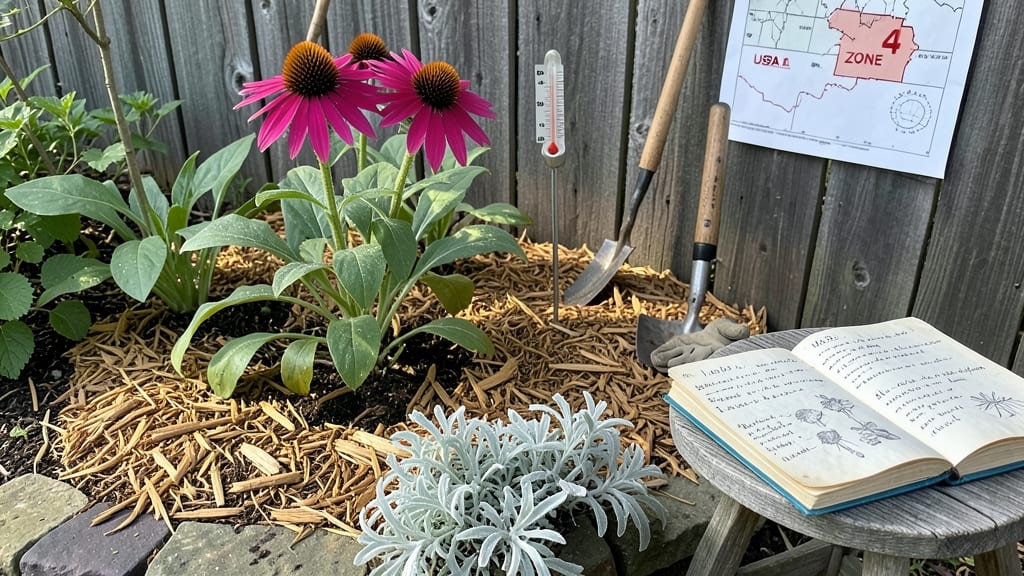
Zone 4 gardening thrives in cold climates with temperatures ranging from -30°F to -20°F, requiring frost-resistant plants like coneflowers, Russian sage, and hardy vegetables such as kale and potatoes. Layer mulch, use cold frames, and extend seasons with row covers for best results.
Zone 4 gardening demands a strategic approach to survive brutal winters and short growing seasons.
The key is selecting plants that can handle -30°F temperatures while still thriving in summer's warmth. 🔥 I've found that perennials like coneflowers and Russian sage return year after year with minimal care, while vegetables like kale and potatoes produce well even when planted late. The secret weapon?
Extending your season with row covers can add 2-4 weeks of growing time, making all the difference in this challenging climate.
Don't underestimate the power of soil preparation either. Amending your soil with compost before the first frost creates a nutrient-rich foundation that helps plants recover faster in spring. I always recommend testing your soil pH too—most cold-climate plants prefer slightly acidic conditions around 6.0-6.5.
This small step can dramatically improve your garden's resilience against winter stress.
💡 In This Article
- Understanding Zone 4 Climate Challenges
- Top Cold-Hardy Plants for Zone 4 Gardens
Understanding Zone 4 climate challenges
Zone 4's extreme temperature swings—from -30°F winters to 90°F+ summers—create unique growing challenges. The real battle begins with frost dates: most Zone 4 regions experience 150-200 frost-free days annually, leaving only a narrow window (typically May to September) for warm-season crops.
This compressed timeline forces gardeners to prioritize cold-tolerant varieties and extend seasons strategically.
For example, in my own Zone 4b garden, spinach thrives when planted in early spring (March-April) or late summer (August-September), while tomatoes need row covers to protect them until soil temperatures reach 55°F.
The soil itself presents another hurdle. Cold winters freeze moisture deep into the ground, creating a permafrost layer that can persist until late spring. This means early-season planting requires careful soil preparation: I always double-dig beds in fall, mixing in 3-4 inches of compost to improve drainage and microbial activity.
The goal is to create a 6-8 inch deep active root zone that warms up faster in spring. Mulching with 4-6 inches of straw after planting helps maintain consistent soil temperatures and conserves moisture during the brief growing season.
Microclimates become your best friend in Zone 4. A south-facing wall can add 10-15°F of warmth to nearby planting areas, while a pond or large rock can create a 5°F warmer microclimate.
I've seen this firsthand with my raspberry canes—those planted near the foundation of my south-facing garage produce fruit 2-3 weeks earlier than those in open ground. Even small features like windbreaks (using evergreen shrubs) can reduce winter damage by 30% by breaking harsh winds that desiccate plant tissues.
Season extension tools are non-negotiable in Zone 4. Cold frames can raise soil temperatures by 10-15°F even in winter, while low tunnels with row covers create a 15-20°F warmer environment under the fabric.
I've successfully grown baby lettuce under cold frames as early as February and extended tomato harvests until first frost in October. The key is proper ventilation—condensation buildup can lead to fungal diseases, so I always leave 1-2 inch gaps on sunny days.
Don't overlook the importance of plant hardiness zones within Zone 4. While the zone encompasses -30°F to -20°F, the difference between 4a (-30°F to -25°F) and 4b (-25°F to -20°F) can mean the difference between success and failure.
For instance, Russian sage thrives in both, but winter aconite only survives in 4b. Checking your exact last frost date (typically May 15 for spring, September 15 for fall in most Zone 4 areas) helps determine when to plant warm-season crops like peppers and eggplants.
What most gardeners don't realize is how plant dormancy cycles interact with Zone 4's climate. Many perennials need 600-900 chilling hours below 45°F to break dormancy properly. Without this cold exposure, plants like peonies or bleeding hearts may fail to bloom.
I've learned to plant these in fall when soil temperatures drop below 50°F to ensure they get their required chilling period. This timing also helps establish strong root systems before winter sets in.