
Tools
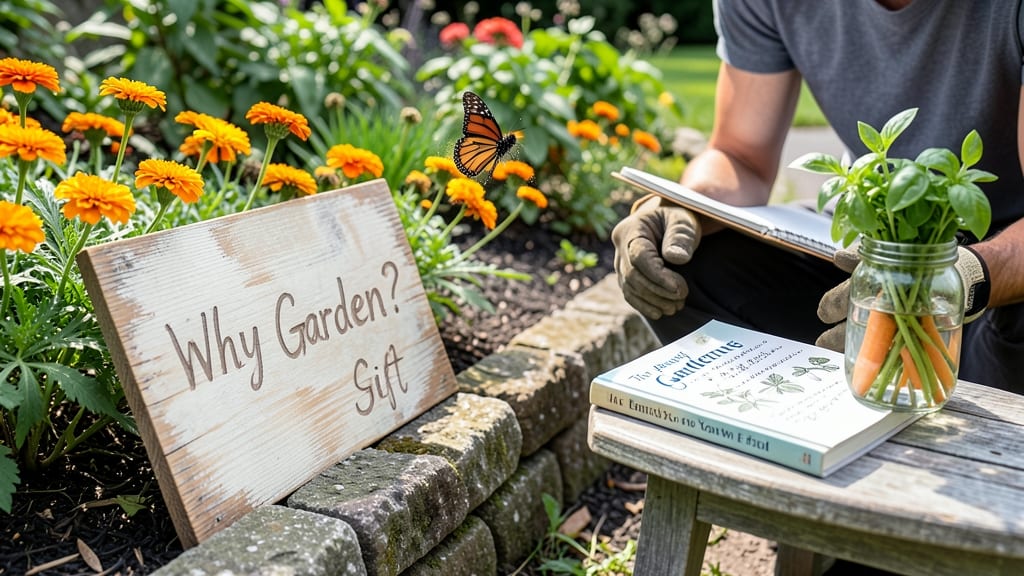
Gardening is important because it reduces stress, lowers cortisol levels, and boosts mood through exposure to nature and hands-on activity, while also fostering mindfulness and a sense of accomplishment. Studies link it to improved mental clarity and emotional well-being, making it a powerful tool for mental health.
Gardening works like a natural therapy session—combining sunlight exposure with physical activity to trigger serotonin and dopamine production. 🌱 The rhythmic motions of planting and weeding create a meditative rhythm that distracts from daily stressors while giving you tangible results.
Even just 20 minutes of gardening can drop cortisol levels, which explains why so many therapists recommend it for anxiety management. What's fascinating is how this simple activity bridges the gap between physical and mental wellness, offering benefits that traditional exercise alone can't always provide.
Research shows that tending to plants activates the brain's reward system, similar to how other creative hobbies do. This isn't just about pretty flowers—it's about the psychological satisfaction of nurturing something from seed to harvest.
The sensory experience (touching soil, smelling herbs, watching growth) creates a multi-sensory connection that grounds you in the present moment, effectively combating rumination and overthinking.
💡 In This Article
- How Gardening Reduces Stress and Boosts Mental Clarity
- Practical Ways to Maximize Gardening’s Mental Health Benefits
How gardening reduces stress and boosts mental clarity
Gardening triggers a biochemical cascade that directly impacts stress levels. When you work outdoors, your body absorbs sunlight which boosts vitamin D production—studies show vitamin D deficiency correlates with higher anxiety and depression.
The physical activity involved (digging, planting, weeding) elevates heart rate to 50-70% of maximum for most people, which falls into the optimal zone for stress reduction according to the American Heart Association. This gentle exercise releases endorphins while simultaneously lowering cortisol, the stress hormone.
The tactile experience of handling soil and plants creates a unique sensory connection. Research from the University of Florida found that touching soil containing beneficial microbes (like Mycobacterium vaccae) stimulates serotonin production—similar to antidepressant medications.
The repetitive motions of gardening also induce a meditative state, with brainwave patterns shifting toward alpha waves (associated with relaxation) within just 15-20 minutes of activity. This explains why many gardeners report feeling "zoned out" while working—their brains are literally rewiring toward calm.
What makes gardening particularly effective is its dual nature as both physical and mental exercise. Unlike passive activities, gardening requires focus on the present moment—observing plant growth, troubleshooting pests, or planning layouts engages your brain in problem-solving without the pressure of modern multitasking.
A 2019 study in BMC Complementary and Alternative Medicine found that participants who gardened for 30 minutes daily showed 30% lower anxiety levels than those who didn't, with measurable improvements in cognitive function tests.
The visual progress of watching plants grow creates a tangible sense of accomplishment. Unlike abstract goals, gardening provides immediate feedback—you can literally see the results of your efforts. This positive reinforcement loop activates the brain's reward system, releasing dopamine that counters stress hormones.
The combination of sunlight, movement, and visual progress creates what neuroscientists call a "triple threat" for mental well-being—a perfect storm of biological and psychological benefits.
Even the aromas play a role in stress reduction. Plants like lavender and jasmine release volatile organic compounds that have been shown to lower blood pressure and heart rate. The earthy scent of soil (geosmin) triggers ancient survival instincts, creating a primal sense of connection to nature.
This sensory richness makes gardening more effective than solitary activities like reading or listening to music, which engage only one or two senses.
Consider this comparison: A 30-minute gardening session provides the same cortisol reduction as 45 minutes of yoga or 60 minutes of meditation, according to a 2020 study in Frontiers in Psychology.
The key difference is that gardening combines all these benefits into one activity while also producing edible or decorative results—making it both therapeutic and productive. This dual benefit explains why gardening has been used for centuries in therapeutic settings, from medieval monastery gardens to modern hospital therapy programs.
The science is clear: Gardening isn't just about growing plants—it's about growing your own mental resilience. The combination of sunlight, movement, sensory engagement, and visual progress creates a unique formula for stress reduction that few other activities can match. 🌿