
Tools
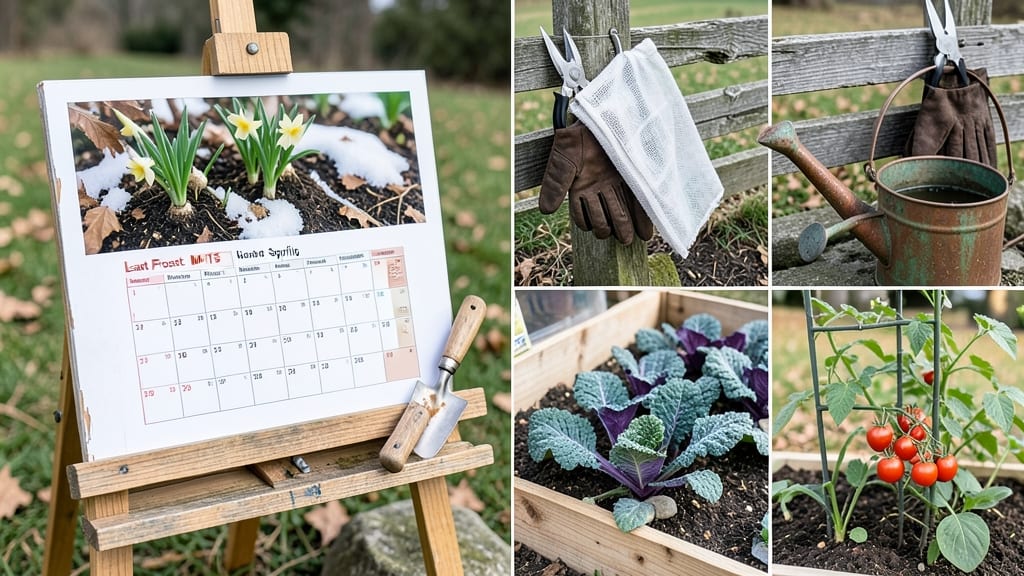
A Wisconsin gardening calendar helps you plan your planting schedule based on the state's frost dates—typically the last spring frost around May 15 (Zone 4b-5a) and the first fall frost by September 15—so you can time warm-season crops, cool-season starts, and seasonal tasks like pruning or mulching. Remember to adjust these dates for northern areas like Door County versus southern regions like Milwaukee.
A Wisconsin gardening calendar isn't just about dates—it's about understanding how your specific location fits into the state's broader climate patterns. 🌱 For example, Door County's shorter growing season means you might need to start cool-season crops indoors earlier than in Madison, where summers last a bit longer.
The key is knowing your local microclimate, whether you're near Lake Michigan or in an urban area with heat islands that can push back frost dates.
This calendar also helps you prepare for Wisconsin's unpredictable weather swings. Late spring frosts can still hit in early June, while fall can bring unseasonably warm spells that extend your harvest window.
By following a tailored schedule, you'll avoid common mistakes like planting tomatoes too early or missing the ideal time to divide perennials in early spring.
💡 In This Article
- Wisconsin Planting Zones and Frost Date Variations
- Monthly Wisconsin Gardening Checklist by Season
Wisconsin planting zones and frost date variations
Wisconsin spans USDA Plant Hardiness Zones 4b in the north (Door County) to 5a in the south (Milwaukee), creating a 10-14 day difference in frost timing. Door County's average last spring frost arrives around May 20, while Madison sees it by May 10.
This shift happens because northern areas retain cold air longer due to Lake Michigan's influence, which creates a 3-5°F cooler microclimate along the coast compared to inland cities like Wausau.
The lake's massive thermal mass also delays fall frosts in coastal regions by 1-2 weeks—Door County's first frost often hits September 25, while inland areas like Madison may see frost by September 15.
Urban heat islands in cities like Milwaukee can push back frost dates by 5-7 days due to concrete absorbing and re-radiating heat. These variations mean a tomato planted in May 15 in Madison might get nipped by frost in Door County if started too early.
What most gardeners don't realize is how elevation changes within 50 miles can create 1-zone differences. For example, the Kettle Moraine region sits in Zone 5a despite being only 60 miles north of Milwaukee (Zone 5b).
This happens because the moraine's glacial till holds cold air longer. The solution? Check your exact location using the USDA Plant Hardiness Zone Map and adjust planting dates by 5-10 days for every zone difference.
Historical frost data shows Wisconsin's growing season has lengthened by 1-2 weeks since the 1980s due to climate change, but this varies dramatically. While southern Wisconsin now has 180-190 frost-free days, northern areas still average only 140-150 days.
This means Door County gardeners should prioritize fast-maturing varieties (like 55-day tomatoes) while southern gardeners can experiment with longer-season crops.
For precise planning, consult the Wisconsin State Climatology Office data, which tracks 30-year averages with ±5-day variability. For example, while the average last frost in Madison is May 10, there's a 30% chance of frost occurring as late as May 25.
This statistical reality explains why experienced gardeners wait until May 30 to plant heat-sensitive crops like peppers.
Microclimates near water bodies or south-facing slopes can create 10-14 day planting windows within the same zip code. A garden on a south-facing hill might see spring arrive 2 weeks earlier than a low-lying area just 1/4 mile away.
These local variations mean your neighbor's successful tomato crop might fail in your garden if you don't account for these microclimate differences.
To maximize your Wisconsin garden's potential, combine zone data with local observations for at least 3 years. Keep a frost journal noting when blackberry bushes bloom (signaling spring warmth) or when lilac bushes leaf out (indicating frost safety).
This phenological data often provides more accurate planting cues than average frost dates alone. 🌿