
Tools
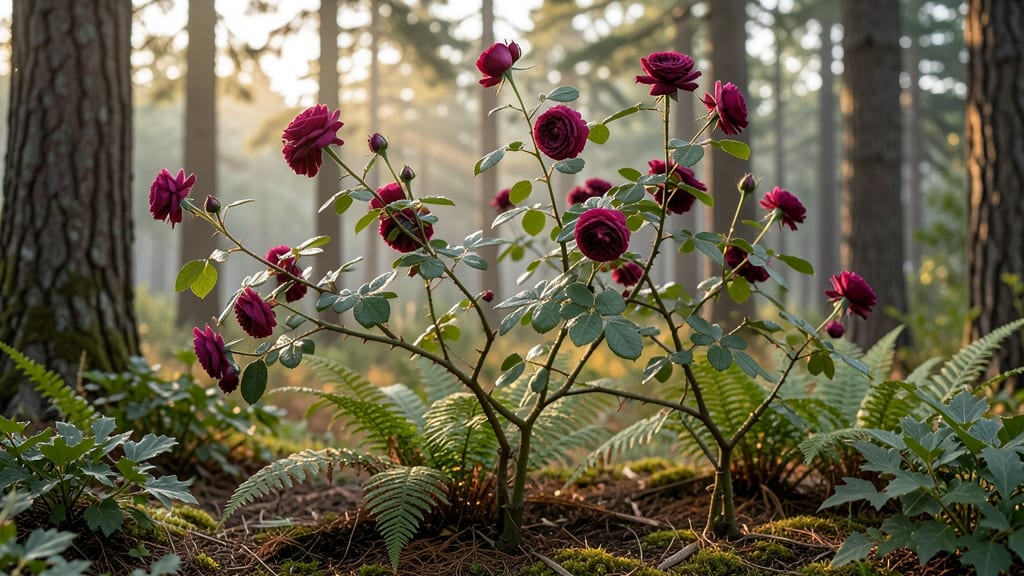
The Woodland Park Rose Garden at North 50th Street in Seattle, WA, offers free public access with hours from 6:00 AM to 10:00 PM daily, though peak blooms typically occur May through September. Entry is complimentary, and the best visiting times are early mornings or weekdays to avoid crowds while enjoying over 500 rose varieties.
The Woodland Park Rose Garden is Seattle's premier floral destination, showcasing a stunning collection of over 500 rose varieties that thrive year-round thanks to the city's mild Pacific Northwest climate. 🌸 While the garden is always accessible, May through September delivers the most vibrant displays, with some varieties like David Austin English roses offering extended bloom periods.
This makes it one of the best free attractions in Seattle for both locals and tourists seeking natural beauty without admission fees.
What makes this garden particularly special is its strategic location within Woodland Park, offering panoramic views of downtown Seattle while providing shaded pathways perfect for leisurely strolls. The garden's layout includes themed sections—like the fragrant rose walkways and seasonal display beds—that change dramatically with each season.
Whether you're visiting for the iconic annual Rose Festival in June or just enjoying a quiet morning among the blooms, the garden's combination of accessibility and botanical diversity makes it a standout spot in the city.
💡 In This Article
- Best Seasons and Blooming Periods for Seattle Rose Garden Visits
- Tips for Photographing and Exploring Woodland Park’s Rose Collection
Best seasons and blooming periods for Seattle rose garden visits
The Woodland Park Rose Garden's seasonal bloom cycles create a dynamic experience throughout the year. Seattle's mild maritime climate—with average temperatures ranging from 40°F in winter to 75°F in summer—allows roses to thrive year-round, though their intensity varies dramatically.
Early spring brings the first flush of blooms, particularly the hardy hybrid teas and floribundas, which typically appear in late March through April when daytime temperatures stabilize above 50°F. These early varieties often feature soft pastels like blush pinks and creamy whites, signaling the garden's awakening after winter's dormancy.
Summer, from May through September, represents the garden's peak season when over 80% of the collection reaches full bloom. This period showcases the garden's signature varieties, including the fragrant David Austin English roses and classic hybrid teas that dominate the central display beds.
The garden's layout—with 12 themed sections including a 1,200-square-foot rose walkway—ensures visitors encounter different bloom times throughout their visit. For example, the Climbing Roses section peaks in early June, while the Shrub Roses often extend their display into late September, providing a 4-month window of near-continuous color.
Fall brings a surprising second wave of blooms, particularly from late-blooming varieties like 'Knock Out' roses and Noisette roses, which thrive in Seattle's cool autumn temperatures. These hardy varieties often continue flowering until the first hard frost, typically around October 15th.
The garden's 150-year-old rose beds also feature heirloom varieties that develop rich autumnal hues, creating a warm contrast to the city's famous rainy season.
What's particularly fascinating is how Seattle's frequent but light rainfall—averaging 36 inches annually—actually benefits rose health by preventing fungal diseases while maintaining the garden's lush appearance.
Winter, though less vibrant, offers unique opportunities to appreciate the garden's structure and winter-hardy varieties. The 100-year-old Rosa rugosa roses often produce hip fruits that persist through the season, while the 300 rose bushes in the Winter Rose Garden section maintain some color even in 35°F temperatures.
This seasonal diversity means the garden remains visually engaging year-round, with each visit offering something distinct—whether it's the 3-week Rose Festival in June or the quiet beauty of frost-kissed canes in December.
For visitors planning their trip, timing matters significantly. The first two weeks of June typically offer the most spectacular displays, aligning with Seattle's driest period when rainfall averages just 1.5 inches—ideal for photography.
However, early mornings remain best year-round, as the garden's 50-foot-tall rose trellises cast dramatic shadows at sunrise, while weekday visits before 10 AM guarantee fewer crowds. The garden's 1.5-mile paved loop also makes it accessible for all mobility levels, ensuring everyone can enjoy the seasonal transformations at their own pace.
What most visitors don't realize is how the garden's microclimates create these distinct bloom periods. The north-facing slopes stay cooler, extending fall blooms by 3-4 weeks, while the south-facing rose beds warm up faster in spring.
This natural variation means you might see three different bloom stages within a single 30-minute walk—a fascinating botanical phenomenon that makes each visit uniquely rewarding. 🌿