I remember the first time I planted a seed—it was a sunflower in a cracked clay pot on my grandmother’s windowsill. Watching it grow into something bright and tall made me realize how rewarding gardening could be. Now, I’m here to share the joy of cultivating your own little patch of green, whether you’re a seasoned green thumb or just starting out. My goal is to make gardening approachable, practical, and full of small victories that make the effort worth it.
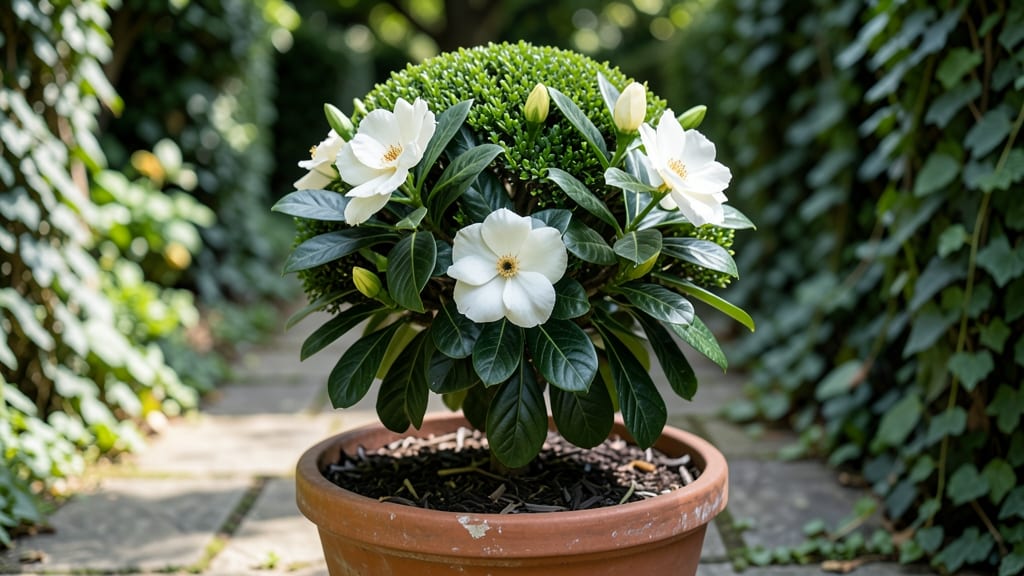
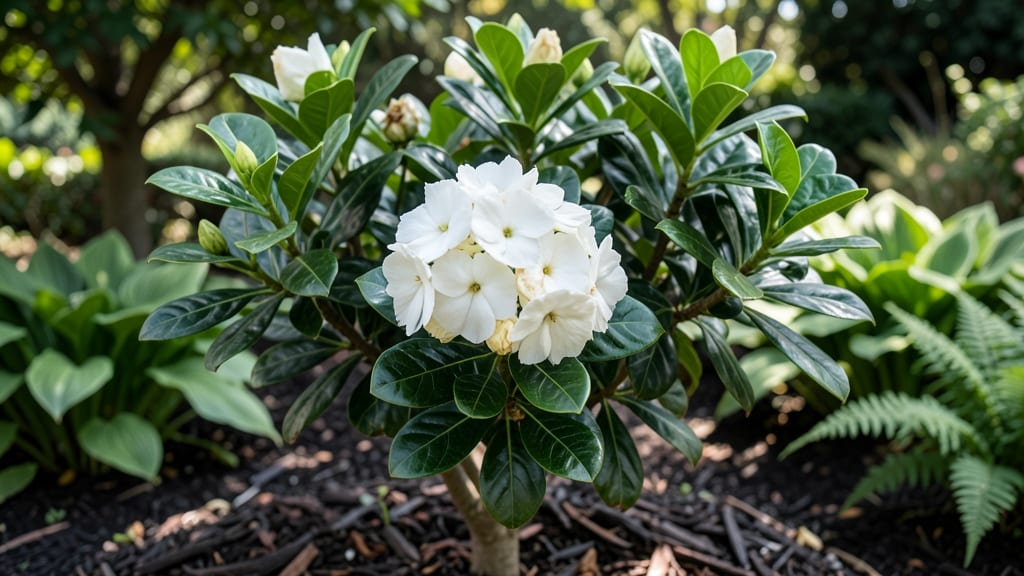
💥 Quick Answer A gardenia topiary plant requires careful shaping through strategic pruning to maintain its elegant form while promoting abundant blooms. Trim just above leaf nodes during late spring or early summer…
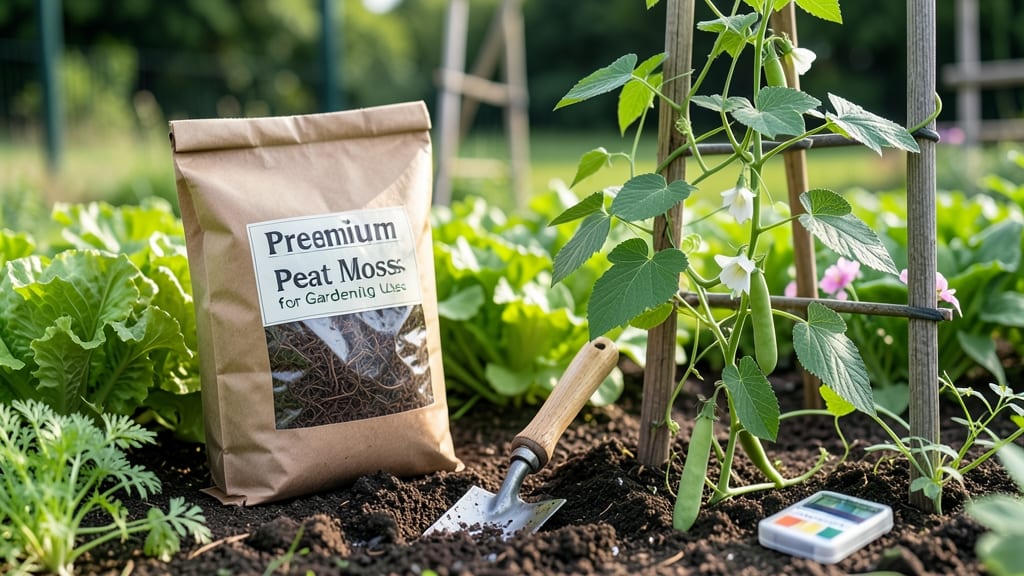
💥 Quick Answer Peat moss is good for vegetable gardens because it improves soil drainage and acidity, creating ideal conditions for acid-loving plants like tomatoes and blueberries. However, it depletes over time and…
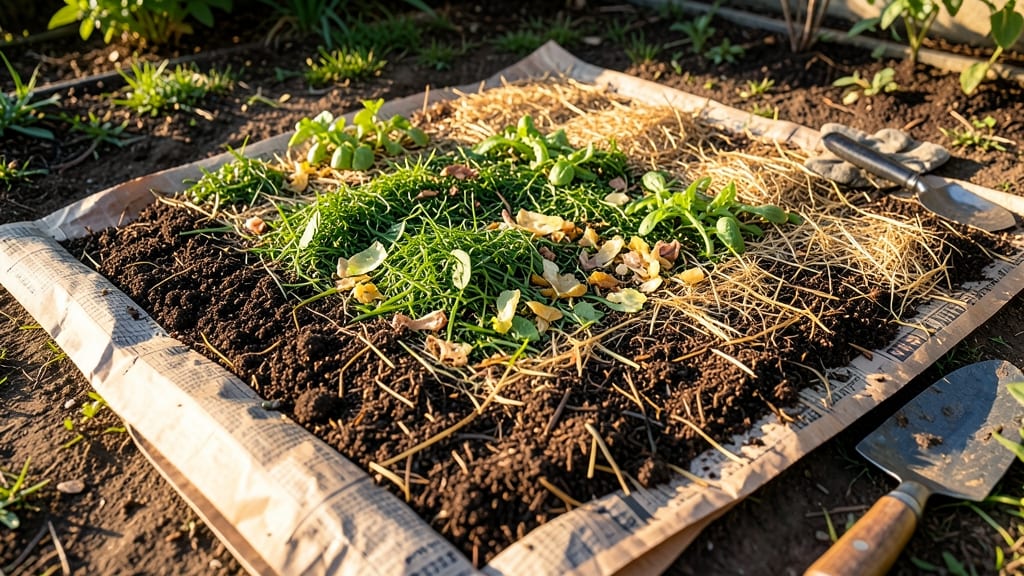
💥 Quick Answer Lasagna gardening is a no-dig method that builds rich soil by layering organic materials like cardboard, compost, and mulch, creating a nutrient-dense bed that mimics natural decomposition processes. This…
💥 Quick Answer The Clove Garden Menu transforms seasonal cooking by featuring dishes centered around homegrown clove-scented herbs like clary sage and lavender, thoughtfully paired with seasonal vegetables and proteins…
💥 Quick Answer The Montreal Botanical Garden in Canada is a sprawling 70-acre oasis featuring over 22,000 plant species, including themed gardens like Chinese, Japanese, and First Nations sections, plus rare botanical…
💥 Quick Answer Gardenia plants can survive as perennials in Zone 7 when given winter protection, including heavy mulch layers, frost cloths, and container cultivation to prevent root damage from temperatures dropping…
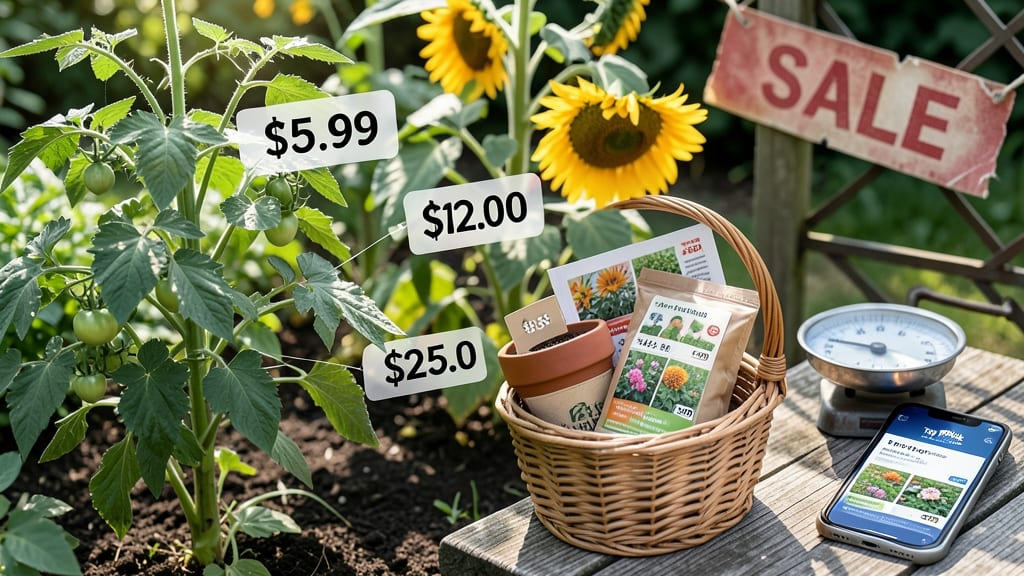
💥 Quick Answer The price of garden tools spans a wide range—basic hand tools like trowels and pruners typically run $5 to $30, while power tools such as hedge trimmers and lawn mowers can cost anywhere from $100 to…
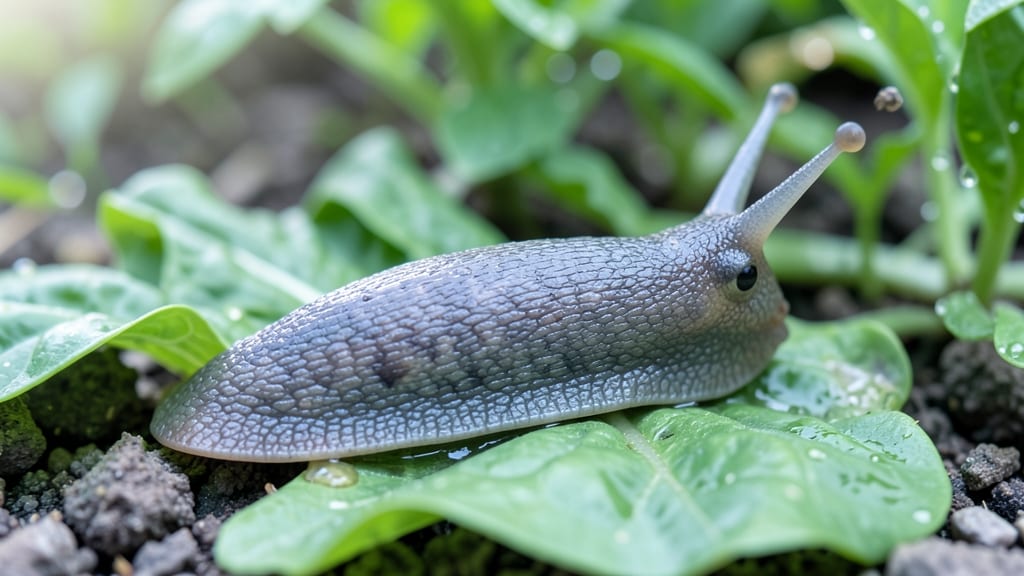
💥 Quick Answer Snails are bad for your garden because they consume tender young plants, chew irregular holes in leaves, and leave behind damaging slime trails. While mature plants rarely die from their feeding, their…
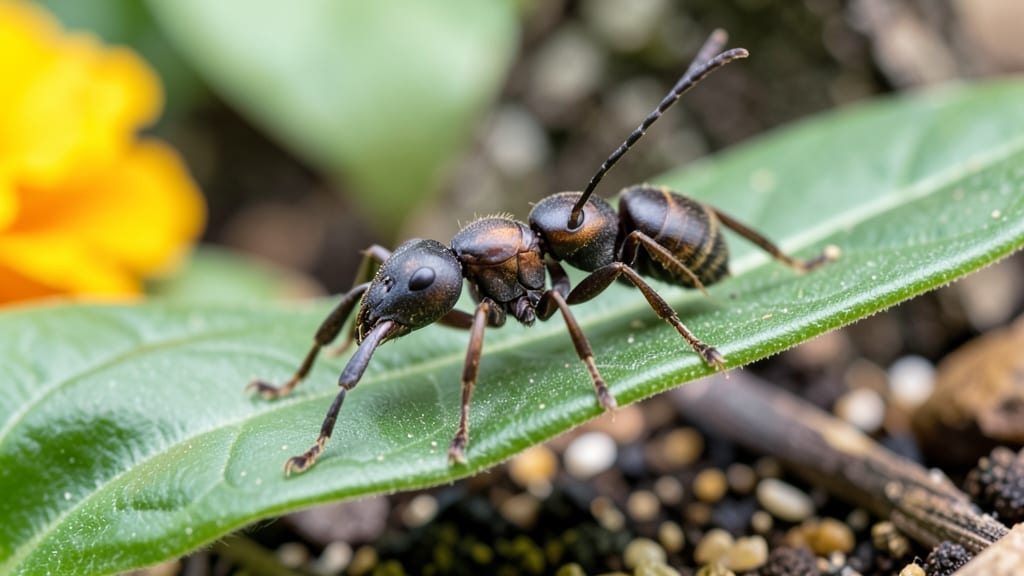
💥 Quick Answer When growing a garden, ants serve as natural pest controllers by hunting down aphids, mites, and other small pests while improving soil quality through their tunneling, which boosts root development and…