
Tools
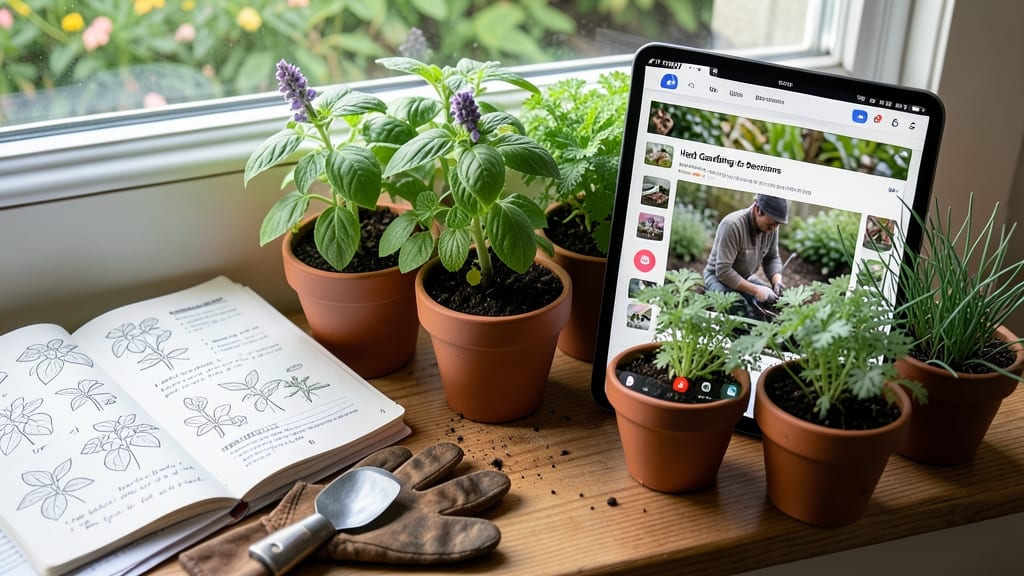
Online gardening schools offer accredited programs with hands-on training, flexible schedules, and expert-led courses covering horticulture, sustainable practices, and plant science from institutions like Penn State and Michigan State University.
These virtual programs bridge the gap between traditional education and modern learning needs, letting you earn certifications without relocating. 🌱 Many include virtual labs and fieldwork partnerships, so you still get practical experience—just with more control over your timeline.
I’ve seen students use these for career pivots or hobby mastery, with some programs even offering job placement assistance in niche areas like hydroponics or landscape design.
What sets them apart is the ability to specialize early. Whether you're aiming for organic farming certification or urban gardening expertise, online schools let you tailor your curriculum to specific interests. The flexibility is especially valuable if you're balancing work or family commitments—something traditional programs often can't match.
💡 In This Article
- How Online Gardening Schools Compare to Traditional Programs
- Top 5 Accredited Online Gardening Schools and Their Specializations
How online gardening schools compare to traditional programs
Online gardening programs excel in flexibility—students can access lectures, readings, and assignments at any time, unlike traditional programs that require fixed schedules. This adaptability is especially valuable for working professionals or those with family commitments, as you can complete coursework during evenings or weekends.
For example, Penn State's online horticulture program allows students to progress at their own pace, often finishing in 1-2 years compared to the 2-4 years typical of on-campus degrees. 🌱
The trade-off lies in hands-on experience. Traditional schools provide immediate access to greenhouses, labs, and fieldwork, while online programs often partner with local nurseries or farms for virtual labs and supervised field trips.
Michigan State University's online program, for instance, includes partnerships with regional extension offices, letting students complete practical tasks like soil testing or plant propagation under expert supervision—just remotely. The certification recognition remains strong, as many online programs are accredited by the same bodies as traditional ones.
Curriculum depth varies too. Online programs often focus on modern techniques like hydroponics or precision agriculture, while traditional schools may emphasize broader horticultural science. For career outcomes, both paths lead to similar opportunities—though online graduates might need to seek out local mentorship for niche roles.
The key difference? Online learners gain digital literacy skills that align with today's industry trends, such as using agritech software or virtual plant identification tools.
Cost is another major factor. Online programs typically reduce expenses by 30-50% compared to in-person tuition, eliminating costs like relocation or campus fees. For example, a traditional horticulture degree at a public university averages $20,000-$40,000, while an online certificate from the same institution might cost $5,000-$10,000.
This savings makes advanced education accessible without sacrificing quality, especially for hobbyists or career changers.
Student support also differs. Online learners often rely on discussion forums and video consultations, while traditional students benefit from in-person office hours. However, top online programs now offer live Q&A sessions with professors and peer networking groups, bridging this gap.
The hands-on limitations are real, but creative solutions—like virtual plant clinics or 3D soil analysis tools—help compensate for the lack of physical labs. 💛
For career outcomes, the choice depends on your goals. Entry-level roles in gardening, landscaping, or agricultural sales often value practical experience equally, whether gained online or in person. However, advanced positions—like research or teaching—may prefer traditional degrees for their broader scientific foundation.
That said, online programs now include specialized tracks in high-demand fields like sustainable urban farming, giving graduates a competitive edge in niche markets.
Ultimately, online gardening schools offer a modern alternative that prioritizes accessibility and specialization. Whether you're balancing work or simply prefer self-paced learning, these programs deliver rigorous training—just with a digital twist.
The key is matching your learning style to the program's strengths, whether that's flexibility, cost savings, or cutting-edge curriculum. ✨