
Vegetables
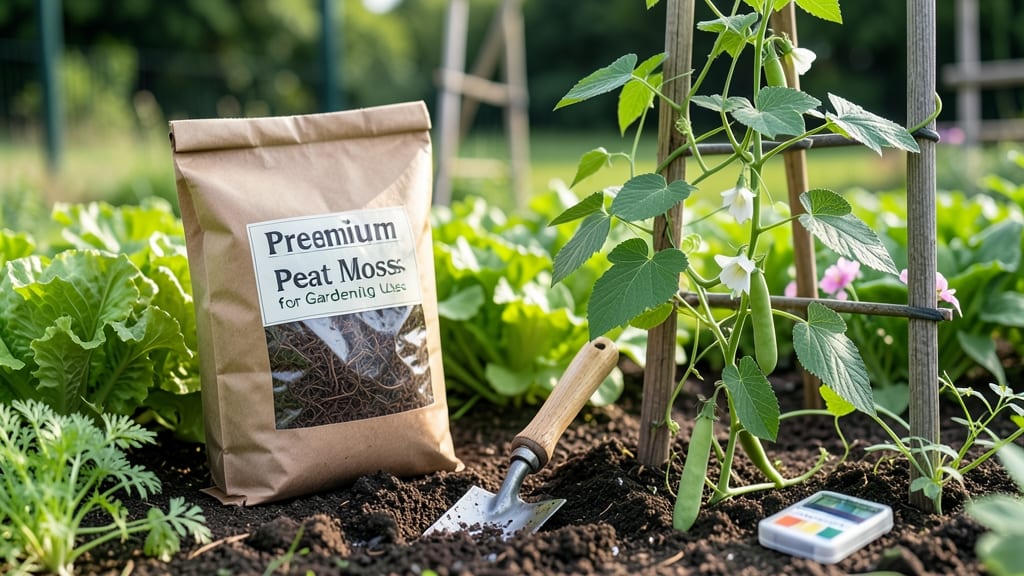
Peat moss is good for vegetable gardens because it improves soil drainage and acidity, creating ideal conditions for acid-loving plants like tomatoes and blueberries. However, it depletes over time and raises sustainability concerns, making alternatives like coconut coir or composted bark preferable for long-term use.
Peat moss works wonders for vegetables that thrive in acidic conditions, like potatoes and strawberries, by lowering soil pH and improving moisture retention. 🌱 The challenge? It breaks down faster than you might expect, often within 1-2 years, which can leave your soil structure compromised.
Plus, harvesting peat moss harms fragile ecosystems, so many gardeners are now turning to renewable options that mimic its benefits without the environmental cost.
If you're already using peat moss, consider mixing it with compost or sand to extend its effectiveness while reducing depletion. For new gardens, coconut coir offers a nearly identical texture and water-holding capacity, just with a neutral pH that won't alter your soil chemistry.
The key is balancing what your plants need with what's sustainable for the planet—and your wallet.
💡 In This Article
- How Peat Moss Affects Soil pH and Nutrient Availability
- Best Sustainable Peat Moss Alternatives for Vegetable Gardens
How peat moss affects soil pH and nutrient availability
Peat moss is essentially decomposed plant material that forms over centuries in waterlogged bogs, giving it a naturally acidic pH range of 3.0–4.5. When mixed into garden soil, it lowers the pH by releasing hydrogen ions (H⁺) that displace nutrients like calcium and magnesium from soil particles.
This acidification is a double-edged sword: it unlocks phosphorus and micronutrients like iron and manganese for plants that prefer acidic conditions, but can leach essential nutrients like nitrogen if overused.
The real magic happens in how peat moss holds moisture—it can absorb up to 20 times its dry weight in water while still allowing excess to drain, creating ideal conditions for root development. This water-retention capacity is why it's often recommended for sandy soils or regions with irregular rainfall.
However, the trade-off is that its fibrous structure breaks down relatively quickly (typically within 1–3 years), leaving behind a compacted, nutrient-poor soil unless amended with compost or organic matter.
For vegetables like tomatoes, blueberries, and potatoes, the acidic environment boosts growth by enhancing nutrient uptake, but for crops such as carrots or lettuce, which prefer neutral to slightly alkaline soil (pH 6.0–7.0), peat moss can actually stunt development.
The key is testing your soil's pH before adding peat moss—aim for a 5.0–6.5 range for most vegetables, adjusting with lime if needed.
What many gardeners overlook is how peat moss affects microbial activity. Its acidic nature suppresses beneficial bacteria and fungi that thrive in neutral pH soils, which can disrupt the natural decomposition process. Over time, this leads to a buildup of undecomposed organic matter, reducing soil fertility.
The solution? Mix peat moss with composted materials (like leaf mold or well-rotted manure) to buffer the acidity and introduce beneficial microbes.
Consider this: while peat moss improves drainage in heavy clay soils, its breakdown can actually worsen compaction in the long run.
For example, a 1-inch layer of peat moss in clay soil may initially reduce waterlogging, but within 2–3 years, it decomposes into a dense, waterproof layer that roots struggle to penetrate. This is why sustainable alternatives—like coconut coir or composted bark—are gaining traction.
If you're already using peat moss, monitor your soil's pH annually and supplement with organic matter to maintain structure. For new gardens, start with a 20–30% peat moss blend mixed with compost to balance acidity and nutrient availability.
The goal is to mimic peat moss's benefits without the environmental cost or long-term soil degradation.