
Tools
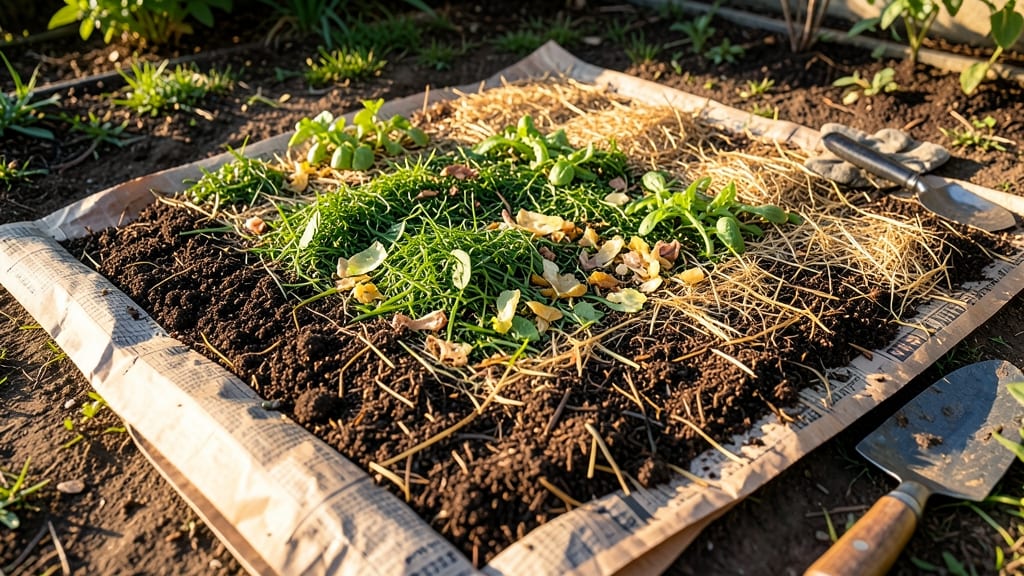
Lasagna gardening is a no-dig method that builds rich soil by layering organic materials like cardboard, compost, and mulch, creating a nutrient-dense bed that mimics natural decomposition processes. This sustainable approach enhances plant growth while minimizing soil disturbance and weed pressure.
This technique draws inspiration from traditional composting but applies it directly to garden beds, eliminating the need for tilling. By alternating carbon-rich "browns" (like dried leaves or shredded paper) with nitrogen-rich "greens" (such as grass clippings or vegetable scraps), you create an ideal environment for beneficial microbes to break down materials into fertile humus over time. 🌱 The result is a living soil ecosystem that continuously improves, supporting healthier plants with minimal maintenance.
One of its biggest advantages is how it preserves soil structure while adding nutrients—unlike tilling, which can disrupt beneficial organisms. I've found it particularly effective in urban gardens where space is limited, as it allows you to build raised beds without heavy digging equipment.
💡 In This Article
- How Lasagna Gardening Builds Fertile Soil Layers
- Step-by-Step Guide to Starting a Lasagna Garden Bed
How lasagna gardening builds fertile soil layers
The core magic of lasagna gardening lies in its ability to replicate the natural decomposition process found in forest floors. Each layer you add—whether cardboard, compost, or mulch—plays a specific role in creating a balanced ecosystem.
The brown materials (carbon-rich) like shredded leaves or straw provide structure and energy for microbes, while green materials (nitrogen-rich) such as grass clippings or food scraps fuel their activity.
This balance is crucial because microbes need both elements to thrive—too much carbon slows decomposition, while too much nitrogen creates ammonia buildup that can harm plants. 🌿
When properly layered, these materials begin breaking down through a process called thermophilic composting, where temperatures can reach 130-160°F during active decomposition. This heat kills weed seeds and pathogens while accelerating the transformation of organic matter into humus—a crumbly, nutrient-dense soil amendment.
Unlike traditional compost piles, lasagna beds decompose more slowly because they're contained and protected from drying out, allowing nutrients to release gradually over months rather than weeks. This slow-release system mirrors how nutrients become available in natural ecosystems, providing a steady supply for plant roots.
The physical structure of lasagna layers also matters. Cardboard or newspaper at the bottom blocks weeds while breaking down to add carbon, while compost layers provide immediate nutrients. Mulch on top retains moisture and regulates temperature, creating a microclimate that supports beneficial fungi and bacteria.
Studies show that well-built lasagna beds can increase soil organic matter by 20-30% in just one growing season, compared to 5-10% with traditional tilling methods. This improvement comes from the continuous breakdown of organic materials, which adds essential nutrients like nitrogen, phosphorus, and potassium while improving soil texture.
What makes this method particularly effective is how it preserves soil structure. Unlike tilling, which disrupts the delicate web of soil organisms, lasagna gardening builds soil from the top down. The layers compress naturally over time, creating a stable foundation that prevents erosion while allowing roots to penetrate easily.
I've noticed that plants grown in lasagna beds often develop stronger root systems because the soil remains loose and aerated, with nutrients distributed throughout rather than concentrated in the top inch. This is especially valuable for heavy clay soils or sandy loams that struggle to retain moisture and nutrients.
One often-overlooked benefit is the suppression of weeds. The thick layers of organic matter block sunlight from reaching weed seeds, while the active decomposition creates a competitive environment where beneficial microbes outcompete weed species. This natural weed control reduces the need for herbicides and saves countless hours of hand-pulling.
The process also creates a self-sustaining system—each time you add new layers, you're building on the existing fertility, creating a garden bed that continues to improve with each growing season. 🌱
For those concerned about pests, lasagna beds actually reduce their impact. The dense organic matter provides habitat for beneficial insects like ground beetles and predatory mites that prey on garden pests, while the improved soil structure makes it harder for burrowing insects to establish colonies.
The key is maintaining proper moisture levels—too dry and decomposition slows, too wet and anaerobic conditions create foul odors. Aim for consistently damp (like a wrung-out sponge) to keep the microbial party going.