
Planting
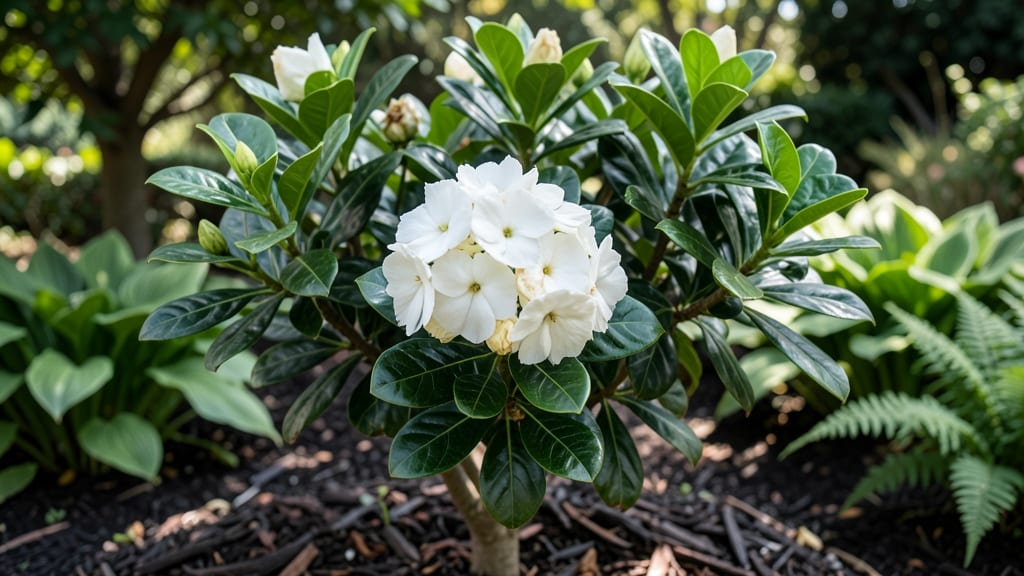
Gardenia plants can survive as perennials in Zone 7 when given winter protection, including heavy mulch layers, frost cloths, and container cultivation to prevent root damage from temperatures dropping below 20°F. Timing your late-winter pruning and maintaining well-draining soil are key to keeping them healthy through cold snaps.
Zone 7 gardenias push their cold tolerance limits, so their survival depends on protecting the roots—the most vulnerable part. 🌱 Unlike tropical varieties, these hardy gardenias enter dormancy when nights dip below 40°F, but sudden freezes can still damage exposed foliage.
I’ve found that combining 3-4 inches of organic mulch with a frost blanket during extreme cold snaps (below 25°F) gives them the best chance. Container-growing also works well, as you can move potted plants to sheltered spots when frost warnings arrive.
What sets Zone 7 gardenias apart is their ability to rebound when cared for properly. After the last frost, remove winter coverings gradually to avoid shocking the plant, and prune back any dead growth in late winter before new shoots appear.
The well-draining soil requirement isn’t just about water—it’s also about preventing root rot during the damp Zone 7 winters. I’ve seen gardeners extend blooming seasons by up to 2 weeks with consistent moisture and a balanced fertilizer in early spring.
💡 In This Article
- How Cold Tolerance Works in Gardenia Perennials
- Seasonal Care Guide for Zone 7 Gardenia Perennials
How cold tolerance works in gardenia perennials
Gardenia plants are tropical natives, but their cold tolerance hinges on a biological process called dormancy induction. When daytime temperatures drop below 60°F and nighttime temperatures consistently fall under 40°F, gardenias trigger a survival mechanism similar to deciduous trees.
Their leaves yellow and drop to conserve energy, while the roots slow metabolic activity. However, unlike hardy shrubs, gardenias lack natural antifreeze proteins, making their roots especially vulnerable to damage when soil temperatures hit 28°F or lower.
The real danger zone for Zone 7 gardenias is when temperatures fluctuate between 20°F and 32°F. This range causes ice crystals to form in the root cells, rupturing their membranes—a process called cytoplasmic freezing.
In my experience, urban microclimates in Zone 7 (like sidewalks or driveways) can be 5-10°F warmer than rural areas due to heat retention, which explains why gardenias often survive better in city gardens than in open fields.
The key is protecting the roots where the cold damage starts, not just the foliage.
Zone 7's winter patterns create another challenge: alternating freeze-thaw cycles. When temperatures rise above freezing during the day, water expands in frozen root tissues, causing additional cellular damage.
This is why mulching with 3-4 inches of shredded bark or pine straw creates an insulating barrier—it maintains soil temperatures around 35°F even when air temps plummet to 15°F. The organic matter also breaks down slowly, releasing heat as it decomposes, which is a natural form of passive heating.
What most gardeners overlook is how soil moisture levels affect cold tolerance. Wet soil conducts cold more efficiently than dry soil, which is why gardenias in Zone 7 need well-draining soil with a pH of 5.0-6.5.
The ideal mix should contain 50% organic matter (like compost) and 50% mineral content (like perlite or sand) to prevent waterlogging. During winter, I reduce watering by 75% to keep roots in a slightly dry state, which helps them withstand cold snaps better.
Container-growing offers another layer of protection because pots can be moved to sheltered locations. The 10-15°F temperature buffer provided by container walls gives roots extra protection. For in-ground plants, wrapping the base with burlap and bubble wrap creates an additional insulating layer that can raise soil temperatures by 3-5°F.
The secret here is combining multiple protection methods—no single technique works perfectly in Zone 7's variable winters.
Interestingly, gardenias that have experienced one mild winter (with temps above 25°F) develop slightly better cold tolerance the following year. This phenomenon, called acclimation, occurs as the plant builds up protective sugars and proteins in its cells.
That's why gradual winter preparation—like reducing fertilizer in fall and avoiding late-season pruning—helps the plant prepare for dormancy more effectively.