
Featured
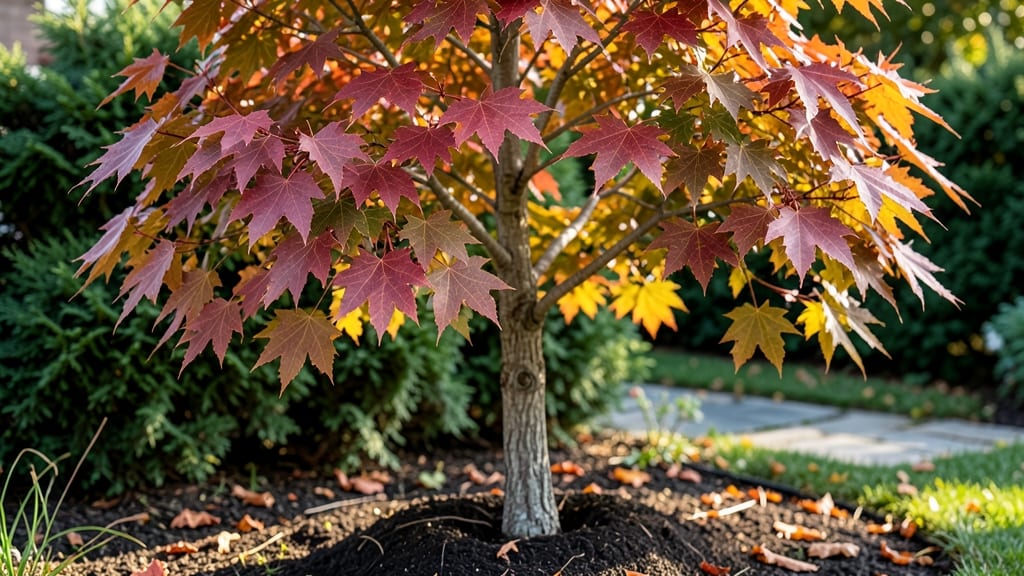
The Montreal Botanical Garden in Canada is a sprawling 70-acre oasis featuring over 22,000 plant species, including themed gardens like Chinese, Japanese, and First Nations sections, plus rare botanical collections and seasonal floral displays that captivate visitors of all ages.
The botanical garden in Montreal, Canada isn't just a park—it's a living museum where cultural traditions and botanical science collide. 🌿 Each themed garden tells a story: the Japanese Water Garden mimics serene landscapes with koi ponds, while the First Nations section showcases medicinal plants used for centuries.
Rare species like carnivorous pitcher plants and giant orchids thrive in climate-controlled greenhouses, proving this isn't your average stroll. Even the Alpine Garden, with its rocky terrain, feels like a mini-European escape right in North America.
Pro tip: Weekday mornings in spring or fall offer the best light for photos, while summer evenings host magical nighttime illuminations. 💫 The garden's accessibility features, like paved paths and sensory trails, make it family-friendly, and the on-site café serves locally sourced treats—perfect for refueling after exploring.
💡 In This Article
- Exploring Montreal Botanical Garden’s Themed Gardens and Rare Species
- Visitor Tips: Best Times to Visit, Hidden Trails, and Accessibility
Exploring Montreal botanical garden’s themed gardens and rare species
The Montreal Botanical Garden’s themed gardens are meticulously designed to reflect cultural traditions while showcasing plant biodiversity. The Japanese Water Garden, for example, mimics traditional Japanese landscapes with 17 ponds, cascading waterfalls, and native species like maples and wisteria that thrive in the garden’s humid, shaded microclimate.
This section mimics Japan’s humid subtropical climate, with temperatures rarely dropping below -10°C—achieved through strategic plant selection and greenhouse technology. 🌸
Contrast this with the First Nations Garden, where 300 medicinal and ceremonial plants grow alongside interpretive signs explaining their uses. Plants like wild bergamot (Monarda fistulosa) and bearberry (Arctostaphylos uva-ursi) are highlighted for their historical roles in Indigenous healing practices.
The garden’s sandy, well-drained soil mimics natural prairie conditions, while the sunlight exposure ensures optimal growth for these hardy species. This section proves how climate adaptation and cultural preservation merge seamlessly in botanical design.
The Chinese Garden offers another fascinating example, featuring bamboo groves, pagoda-style bridges, and koi ponds that reflect China’s monsoon-influenced climate. The garden’s high humidity levels (60-70%) are maintained through strategically placed water features and dense foliage, creating an environment where orchids and camellias flourish.
Rare species like the golden lotus (Nelumbo nucifera) grow here, showcasing how the garden replicates tropical and subtropical conditions despite Montreal’s cold winters (-30°C). 🌿
Beyond themed gardens, the greenhouses house some of the garden’s rarest collections. The Carnivorous Plant House features 500 species, including the Venus flytrap (Dionaea muscipula) and pitcher plants (Nepenthes), which thrive in high-humidity, acidic soil environments mimicking their natural bog habitats.
Meanwhile, the Orchid House displays 1,500 orchid species, with some blooms reaching 12 inches in diameter, thanks to precise temperature control (65-85°F) and 70% humidity. These controlled environments allow visitors to see plants that would otherwise perish in Montreal’s climate.
Seasonal blooms add another layer of magic. In spring (May-June), the Tulip Festival showcases 300,000 tulips in vibrant hues, while fall (September-October) brings chrysanthemums and maple foliage that turn the garden into a fiery palette.
The Alpine Garden, with its rocky terrain and rare alpine plants, feels like a mini-European escape, featuring species like edelweiss and glacier lilies that survive in well-drained, mineral-rich soil.
This section highlights how the garden replicates global climates in a single space, making it a living laboratory of botanical diversity. ✨
What makes this garden truly special is how it blends science and culture. Each section isn’t just about plants—it’s about storytelling through horticulture.
Whether you’re admiring the precision of the Japanese water features, learning about Indigenous plant lore, or marveling at rare orchids in their controlled habitats, you’re experiencing a harmonious fusion of botany, art, and history.
The garden’s ability to simulate diverse climates while maintaining Montreal’s four-season reality is a testament to modern horticultural innovation. 💫