
Planting
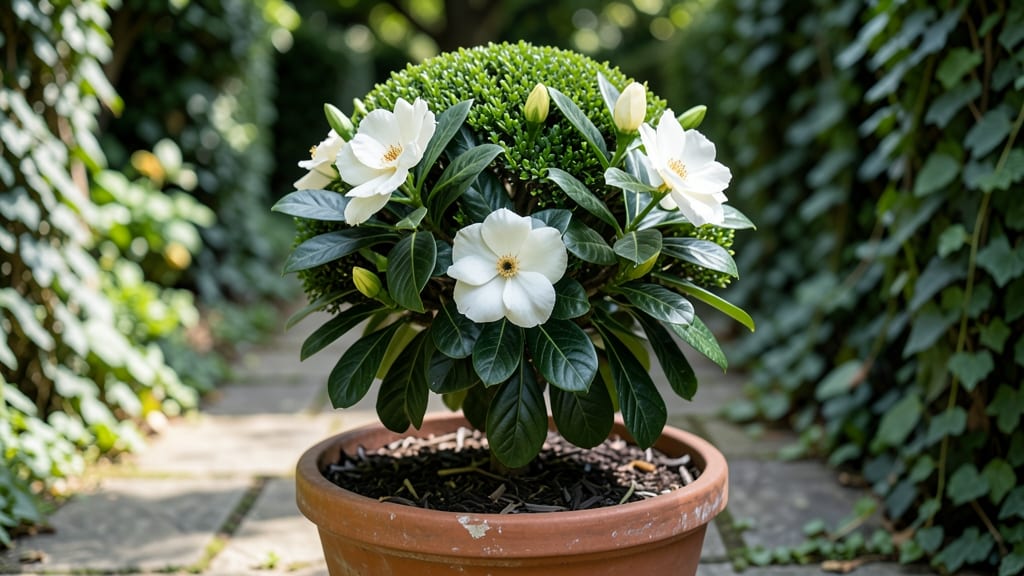
A gardenia topiary plant requires careful shaping through strategic pruning to maintain its elegant form while promoting abundant blooms. Trim just above leaf nodes during late spring or early summer, never removing more than one-third of the foliage at once, and resist the urge to remove spent flowers to maintain energy for future blossoms.
A gardenia topiary plant's beauty comes from its structured growth, which needs selective trimming to keep its shape without sacrificing blooms. 🌿 The key is patience—pruning too much can stress the plant, while too little lets it become unruly.
I've found that using clean, sharp shears (never dull tools) makes all the difference in creating clean cuts that heal faster. Plus, gardenias respond best to gradual shaping over time rather than drastic overhauls.
This approach also encourages stronger flower production because the plant isn't forced to divert energy to excessive leaf growth. Think of it like sculpting: you're guiding the plant's natural form rather than fighting it. The result? A lush, fragrant topiary that keeps blooming season after season with minimal effort.
💡 In This Article
- How to Prune Gardenia Topiary for Optimal Growth and Blooms
- Maintaining Year-Round Gardenia Topiary Health and Beauty
How to prune gardenia topiary for optimal growth and blooms
The timing of your gardenia topiary pruning directly impacts its ability to bloom. Late spring—typically May to early June—is the ideal window because it allows the plant to recover before summer's heat stress.
This timing aligns with the plant's natural growth cycle, when new shoots are forming but haven't yet committed to flowering. Pruning too early (like in March) can remove potential bloom buds, while waiting until July risks overheating the plant's fresh cuts.
When shaping your topiary, focus on cutting just above a leaf node (the small bump where leaves attach) at a 45-degree angle. This angle prevents water from pooling on the cut, reducing rot risk.
Use bypass pruners for clean cuts on smaller branches—these create smoother edges than shears, which can crush stems. For larger branches, anvil pruners work better, but always sterilize tools with rubbing alcohol between cuts to prevent disease transmission.
The goal is to maintain the plant's natural structure while encouraging outward growth for fuller foliage.
Gardenias produce flowers on current season's growth, so selective pruning preserves bloom potential. Never remove more than one-third of the plant's foliage in a single session—this threshold prevents shock. I've seen gardenia topiaries recover beautifully from 20-25% pruning annually, but anything beyond that risks stunted blooms.
The plant's energy must balance leaf production with flower development, and aggressive cutting disrupts this equilibrium. Think of it like sculpting marble: you remove just enough to reveal the form, not carve away too much.
Identifying growth habits is crucial. Gardenias grow in whorls (multiple branches at a single node), which makes them perfect for topiary. When pruning, target the outermost growth first to encourage bushier shapes.
Avoid "heading back" (cutting back to a main stem) unless reshaping a severely overgrown plant, as this can create leggy growth. The plant's natural density comes from these whorls—preserve them to maintain that lush, tropical appearance. 🌸
Seasonal variations matter too. In USDA zones 8-10 (where gardenias thrive), summer pruning should be minimal—focus only on shaping after blooms fade. For colder regions (zones 7 and below), prune only in late spring and avoid cutting back hardwood stems (brown, dormant branches) as they won't regrow.
The plant's ability to photosynthesize through its leaves is what fuels both growth and flowering, so always prioritize leaf retention over aggressive shaping.
Here's a pro tip: mark your pruning schedule on your calendar with these key dates:
- Late Spring (May-June): Main shaping prune (20-25% of growth)
- Early Summer (July): Light touch-up only (remove straggly branches)
- Fall (October): No major pruning—let the plant rest and store energy