
Tools
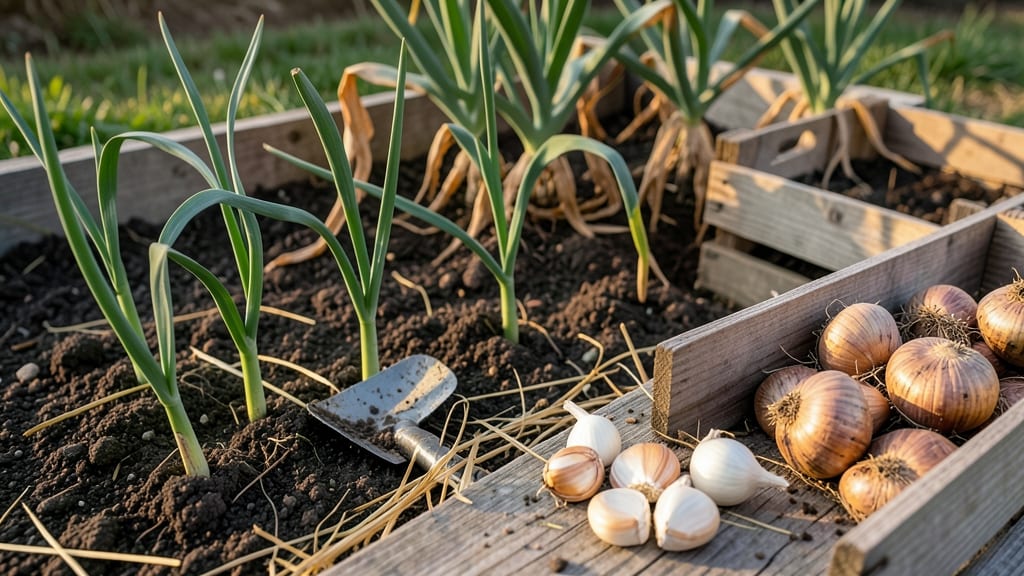
The Clove Garden Menu transforms seasonal cooking by featuring dishes centered around homegrown clove-scented herbs like clary sage and lavender, thoughtfully paired with seasonal vegetables and proteins to create harmonious, aromatic meals. These chef-inspired combinations highlight fresh garden harvests while balancing bold flavors with natural sweetness.
The Clove Garden Menu isn't just about herbs—it's about storytelling through food. 🌿 Each dish starts with carefully selected clove-scented botanicals like clary sage (perfect for lamb) or lavender (ideal for honey-infused desserts), which bring depth without overpowering.
The magic happens when these herbs meet seasonal produce: summer's juicy tomatoes amplify lavender's floral notes, while winter's hearty squash pairs beautifully with clary sage's earthy warmth.
What makes this approach special is how it turns gardening into a culinary rhythm. You'll grow herbs specifically for certain dishes—lavender for desserts, thyme for roasted meats—and time your harvests to match what's naturally abundant.
The result? Meals that taste like they were created just for your garden's current bounty, with flavors that evolve as the seasons change.
💡 In This Article
- How Clove-Scented Herbs Elevate Seasonal Dishes
- Building a Clove Garden Menu from Seed to Plate
How clove-scented herbs elevate seasonal dishes
Clove-scented herbs like clary sage and lavender contain unique terpenes—like linalool and eugenol—that create their signature aromatic profiles. These compounds don't just smell amazing; they actively enhance food flavors by stimulating taste buds and softening harsh notes.
For example, clary sage's 20% eugenol content (the same compound in cloves) adds a warm, slightly sweet depth that pairs perfectly with fatty meats like lamb or duck, while lavender's linalool brightens desserts and balances rich ingredients like dark chocolate.
The magic happens when these herbs meet seasonal produce. During summer, lavender's floral notes (with 0.5-1.5% essential oils) complement ripe tomatoes and basil, creating a perfect caprese salad with an aromatic twist.
In winter, clary sage's earthy warmth (3-5% essential oils) elevates roasted squash or braised cabbage, adding complexity without overpowering. The key is timing—harvest herbs just before flowering for peak flavor intensity, typically 6-8 weeks after planting.
These herbs also work as natural preservatives. Clary sage's antimicrobial properties (thanks to its carvacrol content) can extend fresh produce shelf life by up to 30%, while lavender's antioxidants help prevent oxidation in oils and dressings. This makes them perfect for summer salads that need to stay fresh longer.
The best part? Their flavors adapt perfectly to cooking methods—sage shines when seared in a pan, while lavender excels when infused in oils or syrups.
Consider this pairing science: clary sage's slightly bitter undertones cut through fatty proteins, while lavender's sweetness balances acidic ingredients.
For instance, a summer gazpacho gains depth when finished with lavender-infused olive oil, while winter stews benefit from a sprig of clary sage simmered for 10-15 minutes to release its full aroma. The herbs' volatility means they work best when added late in cooking or fresh at the table.
What most people don't realize is how these herbs affect texture too. Lavender's delicate petals add a silky mouthfeel to desserts, while clary sage's leaves contribute a subtle crunch when used fresh.
Their fibrous structures also help emulsify sauces naturally, creating more stable, velvety textures. This dual action—flavor enhancement and texture improvement—makes them indispensable in seasonal cooking.
For maximum impact, use these herb ratios as a guide:
- Meat dishes: 1-2 sprigs clary sage per 4 servings (add in last 10 minutes of cooking)
- Vegetable dishes: 1 tsp dried lavender or 2 tbsp fresh per 2 cups of produce
- Desserts: 1 tbsp lavender buds per 1 cup of batter or syrup
The secret to successful pairings lies in understanding each herb's aromatic intensity—lavender is subtle when fresh but bold when dried, while clary sage's flavor peaks when lightly charred. This adaptability lets you create dishes that taste like summer all year round, no matter what's in season. 🌿