
Container Gardens
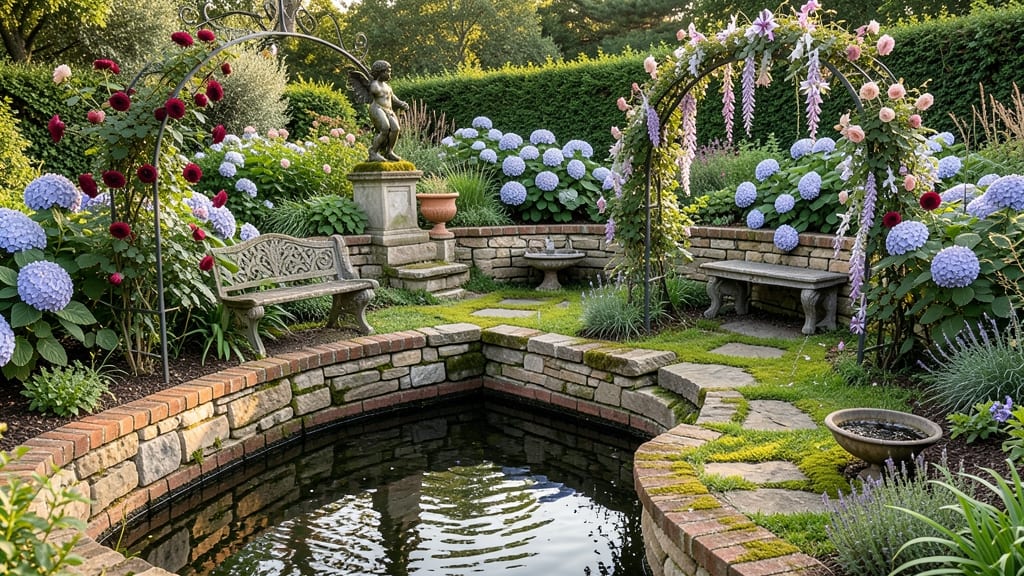
The Butchart Gardens Sunken Garden is a breathtaking tropical retreat featuring terraced walkways, rare orchid collections, and cascading waterfalls surrounded by exotic plants like ferns, palms, and bromeliads.
The Sunken Garden's design blends Victorian-era elegance with tropical botanical diversity, creating a multi-level paradise that feels both grand and intimate. 🌿 Each terrace showcases different plant families, from delicate orchids to towering palms, all thriving in the garden's carefully controlled microclimate.
What makes it special is how the waterfalls integrate into the landscape, adding both visual drama and a soothing auditory experience that enhances the garden's meditative atmosphere.
Beyond its stunning visuals, this garden serves as a living classroom for plant enthusiasts, featuring species from around the world that demonstrate remarkable adaptability.
The combination of water features and strategic plant placement creates microclimates that allow tropical plants to flourish in Victoria's temperate climate—a botanical engineering marvel that continues to inspire visitors and horticulturists alike.
💡 In This Article
- Design and Botanical Wonders of Butchart’s Sunken Garden
- Seasonal Blooms and Best Times to Visit Sunken Garden
Design and botanical wonders of butchart’s sunken garden
The Sunken Garden’s terraced design isn’t just visually stunning—it’s a masterclass in horticultural engineering. The garden spans three levels, each descending about 3 feet, creating a dramatic vertical journey through tropical flora.
These terraces aren’t random; they’re strategically positioned to maximize sunlight exposure while maintaining humidity levels ideal for moisture-loving plants.
The waterfalls (like the Kitsilano Falls) aren’t decorative—they’re essential, pumping 15,000 gallons of water daily to create a 90% humidity microclimate, mimicking the tropical environments where many plants originate. 💧
The plant selection is equally deliberate, blending Victorian-era botanical trends with practical survival strategies. Orchids, like the Cattleya and Phalaenopsis, thrive here thanks to the garden’s shaded, humid conditions, while towering palms (e.g., Mexican Fan Palms) and bromeliads benefit from the terraces’ elevated drainage systems.
Even the ferns—such as the Boston Fern—flourish in the dappled light created by the garden’s canopied walkways, which filter sunlight to prevent leaf scorch.
The symbolic meaning behind these choices is profound: in the Victorian era, orchids represented rare beauty and luxury, while water features symbolized purity and abundance—themes that still resonate today.
What’s often overlooked is how the garden’s soil composition plays a role. The terraces use a custom blend of peat moss, sand, and compost, designed to retain moisture without becoming waterlogged—critical for tropical plants that despise soggy roots.
The waterfalls’ recirculating system ensures no water is wasted, while the stone retaining walls (made from local Cedar Hill granite) provide structural support and aesthetic harmony. This engineering feat allows the garden to showcase over 1,000 plant species that would otherwise struggle in Victoria’s cool, marine climate. 🌿
For visitors, the design creates an immersive experience. The spiral pathway guides you through each terrace, encouraging slower exploration and discovery. The scented plants, like gardenia and jasmine, release their fragrances at different times of day, creating a dynamic olfactory journey.
Even the color palette shifts with the seasons—spring brings vibrant pinks and purples from tulips and rhododendrons, while summer introduces deep greens and blues from hydrangeas and water lilies. The result? A garden that feels alive, evolving, and deeply intentional in every detail.
One of the most fascinating aspects is the plant propagation program behind the scenes. Butchart Gardens’ horticulturists grow over 50,000 plants annually in their on-site nurseries, ensuring the Sunken Garden’s collections remain vibrant.
Rare specimens, like the black orchid (Coelogyne pandurata), are propagated through tissue culture techniques, preserving endangered varieties. This commitment to conservation means visitors aren’t just admiring a garden—they’re witnessing living botanical science in action. 🌺
If you’ve ever wondered how a garden in Canada’s rainy climate can host tropical plants, the answer lies in this perfect storm of design, engineering, and horticultural expertise.
The Sunken Garden proves that with the right conditions—water, shade, and careful plant pairing—even the most exotic flora can thrive in unexpected places. It’s a lesson in adaptability that extends beyond botany, reminding us all that beauty often requires a little ingenuity. ✨