
Light Requirements
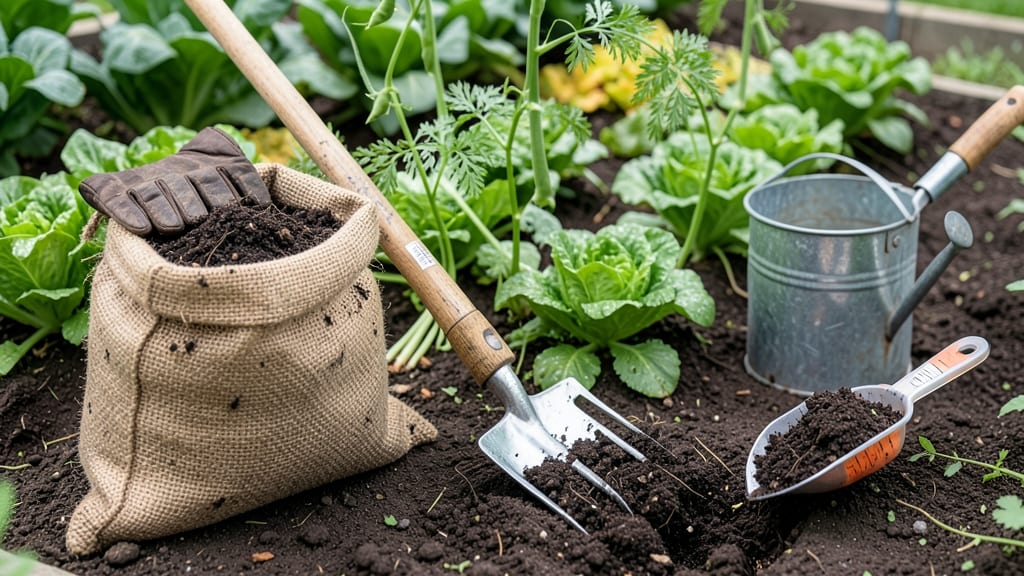
To determine how much cow manure for your garden, start with 1–2 inches of well-aged compost per square foot for vegetables, and 2–3 inches for heavy feeders like corn. Always mix it lightly into topsoil to avoid burning plants, and compost fresh manure for 3–6 months before use to prevent odor or nutrient runoff.
Cow manure is a powerhouse for garden soil, but the key lies in proper aging and application. 🌱 Fresh manure releases ammonia too quickly, which can scorch plant roots, while well-aged compost provides a steady nutrient release over months.
For leafy greens like lettuce or spinach, I recommend spreading a thin layer (about 1 inch) in early spring, while root crops such as carrots or potatoes benefit from deeper incorporation (up to 2 inches) mixed into the top 6 inches of soil.
The nitrogen content makes it ideal for fast-growing plants, but avoid overdoing it—too much can lead to excessive leaf growth at the expense of fruit production.
Timing matters just as much as quantity. Spread manure in late fall or early spring when plants aren't actively growing, allowing nutrients to integrate into the soil before the growing season.
For container gardens, reduce the amount to 1/2 inch per plant and mix thoroughly with potting soil to prevent compaction. Always wear gloves when handling fresh manure, as it can harbor pathogens, and keep it away from water sources to prevent runoff into nearby streams.
💡 In This Article
- Cow Manure Nutrient Breakdown and Plant Compatibility
- Step-by-Step Guide to Applying Cow Manure by Season and Plant Stage
Cow manure nutrient breakdown and plant compatibility
Cow manure is a nutrient goldmine, but its effectiveness depends on the nitrogen (N), phosphorus (P), and potassium (K) ratios, which vary based on diet and aging.
Fresh manure has a high nitrogen content (around 0.5-1.5%) but also contains ammonia that can burn plant roots, while well-aged compost (3-6 months) stabilizes to about 0.5% nitrogen with balanced phosphorus (0.2-0.5%) and potassium (0.5-1.0%).
This makes it ideal for leafy greens like spinach, which thrive on nitrogen, but too much can cause excessive foliage growth in fruiting plants like tomatoes.
The magic happens during composting, where microbes break down organic matter into plant-available nutrients. After 6 months, the manure releases nutrients gradually, avoiding the "burn" risk of fresh applications.
For example, a 1-inch layer of aged manure per square foot adds roughly 2-4 pounds of nitrogen per 100 square feet—enough to support vegetables like beans or zucchini without overloading the soil.
Root crops like carrots, however, need deeper incorporation (up to 2 inches) to prevent nutrient concentration near the surface, which can stunt root development.
Not all plants respond equally to cow manure. Acid-loving crops like blueberries or potatoes struggle with its slightly alkaline nature (pH 7.0-8.0), while heavy feeders like corn or squash benefit from its high potassium content.
To adjust pH, mix in 1 part peat moss per 3 parts manure for acid-loving plants. The texture also matters—coarse, fibrous manure improves soil structure, while fine, decomposed compost blends seamlessly into clay or sandy soils. 🌿
Seasonal timing amplifies effectiveness. Spring applications (when soil warms) boost early growth, while fall spreads act as winter mulch, protecting roots and enriching soil for next year. For container gardens, reduce amounts to 1/2 inch per plant and mix with potting soil to prevent compaction.
Always test soil pH before applying—manure can raise levels, which may harm sensitive plants like azaleas or hydrangeas.
Safety is key: fresh manure can harbor E. coli or salmonella, so compost for at least 3 months before garden use. Wear gloves when handling, and avoid applying near water sources to prevent nutrient runoff.
The aroma changes dramatically as it ages—fresh manure smells pungent and ammonia-like, while composted manure has an earthy, sweet scent reminiscent of rich forest soil.
For maximum benefits, pair manure with other amendments. Mixing it with wood ash (1 cup per 10 sq ft) adds potassium, while kelp meal (1 tbsp per sq ft) provides micronutrients. This combo creates a balanced fertilizer that supports both foliage and fruit production without overwhelming the soil.
The key is patience—well-aged manure works like a slow-release fertilizer, feeding plants over months rather than burning them in a single application.