
Container Gardens
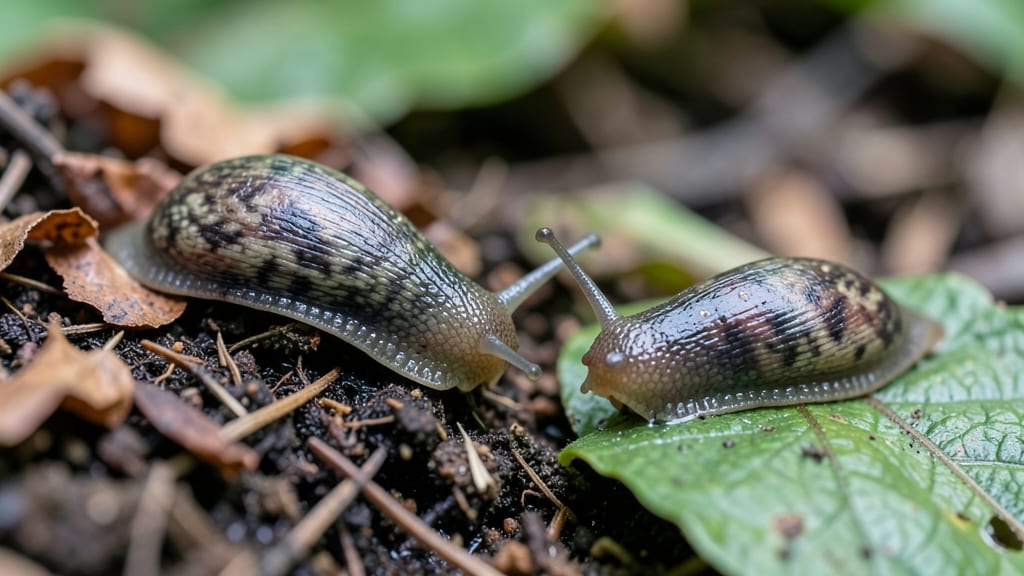
Slugs are not beneficial to gardens because they destroy foliage, stems, and young plants, leading to stunted growth or death in vegetables, flowers, and ornamental species. While they play a minor role in breaking down organic matter, their destructive feeding patterns outweigh any ecological benefits in cultivated spaces.
Slugs may seem harmless, but their voracious appetites make them one of the most destructive pests in gardens. 🌱 These nocturnal creatures leave behind irregular holes in leaves and chewed stems, often targeting tender seedlings and low-growing plants like lettuce, hostas, and roses.
Their saliva contains enzymes that dissolve plant tissue, accelerating damage even after they've moved on. The problem worsens during damp conditions, when slug populations explode and their feeding becomes relentless.
What's surprising is how quickly they multiply—just one slug can lay hundreds of eggs in a season, creating a cycle of destruction that's hard to break without intervention.
While they do help decompose organic matter in wild ecosystems, their impact on cultivated gardens is overwhelmingly negative, making them a persistent challenge for any gardener.
💡 In This Article
- How Slugs Harm Garden Plants and Crops
- Natural Slug Control Methods for Organic Gardens
How slugs harm garden plants and crops
Slugs cause damage through a combination of mechanical feeding and chemical breakdown. Their saliva contains enzymes like cellulases that dissolve plant cell walls, turning healthy tissue into mush within minutes.
This enzymatic action doesn't just create holes—it triggers a plant's stress response, causing stunted growth and making the plant more susceptible to disease. 🌱 The damage often appears overnight, with leaves showing jagged edges or entire sections chewed away, leaving behind a silvery slime trail that's both a telltale sign and a secondary irritant to plants.
Young seedlings are particularly vulnerable because slugs target tender new growth that's rich in nutrients. Lettuce, basil, and marigolds are prime targets, while mature plants like roses and hostas suffer from defoliation that weakens their structure.
Studies show that a single slug can consume up to 0.5 square inches of leaf tissue per night, and with populations reaching 50-100 slugs per square yard in damp conditions, the cumulative damage becomes catastrophic.
The worst infestations occur during spring and fall when temperatures hover between 50-70°F and humidity remains high.
Slugs' nocturnal feeding patterns make them especially problematic. They emerge after dark when predators like birds are inactive, allowing them to feast undisturbed. Their lifecycle compounds the issue—adult slugs lay 50-100 eggs per clutch, buried just below soil surface, which hatch into juveniles that immediately begin feeding.
By the time gardeners notice the damage, these young slugs have already caused significant harm to emerging plants. 🔥 The slime they produce isn't just a byproduct; it contains mucus proteins that can further damage plant cell membranes, accelerating decay in already compromised foliage.
What makes slugs particularly destructive is their ability to adapt to garden environments. Unlike many pests, they don't have natural predators in cultivated spaces, and their soft bodies allow them to squeeze into tight spaces where other insects can't reach.
Their feeding patterns create a cascading effect—damaged plants become more susceptible to fungal infections, and the resulting stress reduces yields in vegetable gardens by up to 30-50% in severe cases.
The economic impact is significant for both home gardeners and commercial growers, making slug control a year-round necessity rather than a seasonal concern.
Interestingly, while slugs do contribute to decomposition in natural ecosystems by breaking down fallen leaves and organic matter, their role in gardens is overwhelmingly negative. In cultivated spaces, their feeding habits create more problems than they solve.
The enzymes in their saliva don't just damage living plants—they also break down mulch and compost piles, turning beneficial organic matter into a mushy mass that loses its structural integrity. This dual damage makes slugs particularly problematic in organic gardening systems where natural decomposition processes are carefully managed. 💫