
Planting
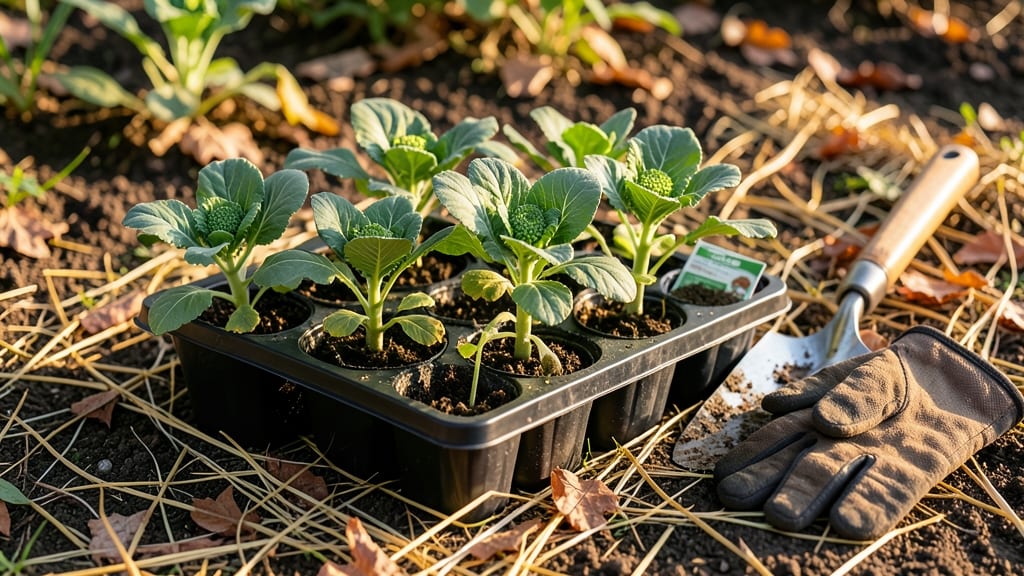
Planting your fall garden in Zone 7 4-6 weeks before the first frost is the secret to a harvest that outlasts the season 🥬.
Timing your fall garden in Zone 7 can mean the difference between a bountiful harvest and wasted effort—get it wrong, and frost ruins your hard work before you even taste the rewards.
Most gardeners in Zone 7 assume they have until October to plant, but the real magic happens in September when temperatures dip just enough for cool-season crops to thrive.
In this guide, I’ll break down the exact weeks before frost to plant each crop, share my top fast-growing varieties for a quick harvest, and reveal the simple tricks to extend your season past the first frost.
Exact weeks before frost to plant fall vegetables in Zone 7
In Zone 7, where the first frost typically arrives around November 15, timing your fall garden correctly ensures you harvest before winter sets in. The key is planting 4-8 weeks before frost, depending on the crop's maturity rate.
Fast-growing greens like spinach can go in just 3-4 weeks before frost, while slower brassicas like broccoli need 6-8 weeks of warm soil to establish.
Understanding your local frost dates is critical—Zone 7's 180 frost-free days mean you have a narrow window to work with. For example, if your frost date is November 15, aim to plant leafy greens by October 15 and root vegetables by September 20.
This ensures they mature before temperatures drop below 28°F, the threshold where most cold-hardy crops suffer damage.
🌱
| Crop Type | Planting Window (Weeks Before Frost) | Days to Maturity | Notes |
|---|---|---|---|
| Leafy Greens (Spinach, Lettuce, Kale) | 3-4 weeks | 30-50 days | Tolerates light frost; sow late for winter harvests. |
| Root Vegetables (Carrots, Radishes, Beets) | 6-8 weeks | 45-70 days | Needs warm soil; radishes mature faster. |
| Brassicas (Broccoli, Cabbage, Brussels Sprouts) | 6-8 weeks | 60-90 days | Start indoors 4 weeks before transplanting. |
| Alliums (Onions, Garlic, Leeks) | 8-10 weeks | 90-120 days | Plant sets or transplants; garlic can overwinter. |
| Peas & Beans (Sugar Snap, Lima) | 4-6 weeks | 50-70 days | Cool-season lovers; avoid planting too early. |
For cold-hardy crops, like kale and spinach, you can push the envelope by planting as late as October 1 in Zone 7. These greens not only survive frost but often sweeten up after a light freeze.
However, root vegetables like carrots and beets need warmer soil to germinate, so start them by mid-September at the latest.
If you're growing broccoli or cabbage, begin with transplants rather than seeds. These brassicas take longer to mature and benefit from a head start. Plant them 6-8 weeks before frost, around early to mid-September, to ensure they reach harvest size before winter.
Don’t forget about succession planting—sow fast-growing crops like radishes or lettuce every 2 weeks after your initial planting. This staggered approach guarantees a continuous harvest until frost. For example, if you plant radishes every 14 days starting in late August, you’ll have fresh harvests through November.
Soil temperature plays a critical role in fall planting. Most cool-season crops thrive when soil temps are between 45°F and 75°F. Use a soil thermometer to check before sowing—if temps drop below 50°F, wait a few days or use row covers to warm the soil.
In Zone 7, this usually means avoiding planting after mid-October unless you’re using protective covers.
One of my biggest mistakes was planting broccoli too late—it bolted before maturing. Now, I mark my calendar for September 1 as the last day to plant slow-maturing crops like Brussels sprouts.
For fast growers, like bush beans, I don’t hesitate to plant until October 15, knowing they’ll mature before frost.
Protect your
Best fall crops for Zone 7: fast-growing vs. slow-maturing varieties
Choosing the right fall crops for Zone 7 depends on how quickly they mature—some need just 30 days to harvest, while others take 60+ days.
Fast growers like radishes and spinach thrive in cool weather, while slower varieties such as broccoli or kale need more time to bulk up before frost hits. The key is matching your planting window to the crop's maturity timeline to avoid wasted effort.
For fast-growing varieties (30-45 days), aim to plant seeds 6-8 weeks before your first frost date (typically mid-November in Zone 7). These crops handle cooler temps well and can even tolerate light frosts.
On the other hand, slow-maturing varieties (45-60+ days) should go in the ground 4-6 weeks before frost, giving them enough time to establish strong roots and resist cold snaps.
Here’s a quick comparison to help you decide which crops fit your fall garden timeline and space constraints:
Fast-Growing (30-45 Days) vs. Slow-Maturing (45-60+ Days)
- ✅ Radishes (30 days)
- ✅ Spinach (40 days)
- ✅ Lettuce (30-45 days)
- ✅ Turnips (40 days)
- ✅ Bush Beans (50 days)
Pros: Quick harvests, frost-tolerant, great for succession planting.
- ✅ Broccoli (60-80 days)
- ✅ Cauliflower (70-90 days)
- ✅ Kale (50-60 days)
- ✅ Carrots (60-70 days)
- ✅ Brussels Sprouts (90 days)
Cons: Need more time, risk frost damage if planted too late.
Heat-Tolerant Picks: Swiss Chard (50 days) and Beets (50-60 days) handle late-summer heat better than most greens.
Frost-Resistant Champions: Kale and Spinach sweeten up after frost, making them ideal for late harvests.
If you’re short on time, prioritize fast growers like radishes or bush beans—they’ll give you a harvest in just 30-50 days, even if planted in early September.
For a more long-term investment, broccoli or carrots reward patience with heartier yields, but you’ll need to start them earlier (late July to early August) to avoid frost.
Pro tip: Pair fast and slow crops in your garden layout. Plant radishes alongside carrots—the radishes mature first, freeing up space for the carrots to grow. This succession planting trick maximizes your harvest in limited space and extends your growing season.
Don’t forget to protect your slow growers with row covers or cold frames if frost threatens early. Even a light frost can sweeten kale or spinach, but heavy freezes will ruin tender crops like lettuce or bush beans.
Plan ahead, and your Zone 7 fall garden will deliver rewards well into November!