
Planting
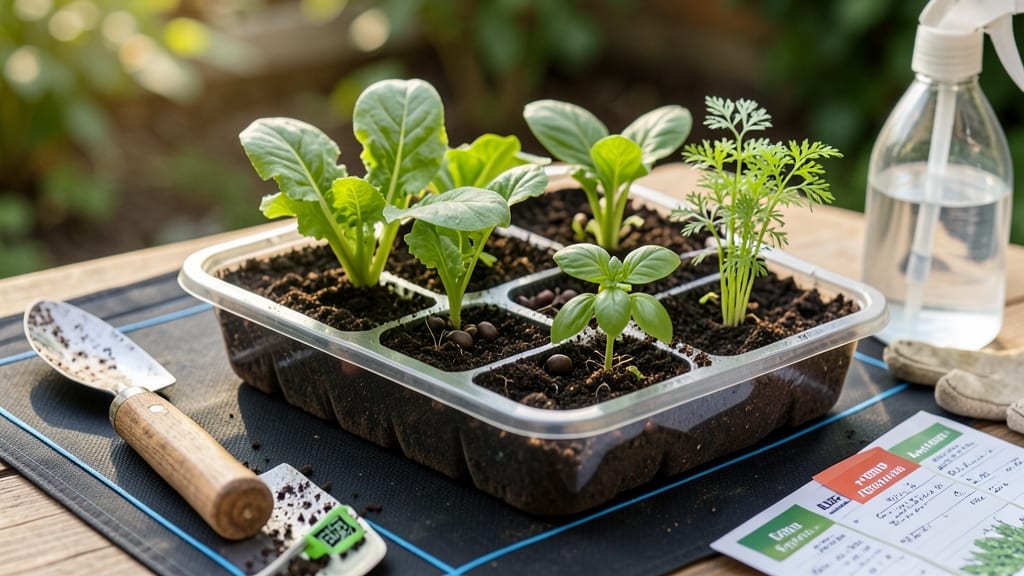
To plant seeds in your garden at the right time means catching the window between frost and heat—because one wrong move can turn your spring dreams into a sad pile of seedling casualties.
Timing your seed planting perfectly can mean the difference between a thriving garden and a frustrating failure—especially when local frost dates shift unexpectedly. I’ve seen hardy peas freeze overnight after a late cold snap, and delicate basil wilt under early summer heat.
The key? Knowing when to start seeds indoors, when to direct-sow outdoors, and how to adjust for your USDA zone.
Most gardeners rely on frost charts, but even those can be tricky.
For example, in USDA Zone 6a, early spring seeds like lettuce and spinach can go in the ground as soon as the soil warms to 40°F, while heat-lovers like tomatoes need to wait until after the last frost—usually mid-April in my area.
Miss that window, and you’re left with leggy, weak plants or no harvest at all.
In this guide, I’ll break down exactly when to plant seeds for your region, how to read frost dates like a pro, and the 5 biggest mistakes that ruin timing—so you can finally grow the garden you’ve always wanted.
How to determine your local frost dates for seed planting
Timing your seed planting perfectly can mean the difference between a thriving garden and a frustrating failure—especially when local frost dates shift unexpectedly. Understanding your last spring frost and first fall frost is the foundation of successful seed planting.
These dates tell you when it's safe to plant cold-sensitive crops and when to protect tender plants from chilly nights.
Most gardeners rely on USDA Plant Hardiness Zones to estimate frost dates, but even within the same zone, frost timing can vary by 1-2 weeks depending on elevation, proximity to water, and local weather patterns.
For example, a valley might frost earlier than a nearby hillside due to cold air settling in low areas. This is why I always cross-reference multiple sources to get the most accurate picture.
Start by finding your USDA zone using the USDA Plant Hardiness Zone Map (available at planthardiness.ars.usda.gov). Enter your ZIP code to get your exact zone, which ranges from 1 (coldest) to 13 (warmest).
For instance, if you're in Zone 6a, your last frost is typically around April 15, while Zone 9a might see its last frost as early as February 15.
Next, use the National Oceanic and Atmospheric Administration (NOAA) frost probability maps to refine your estimate. Their 32°F frost risk tool shows the likelihood of frost on specific dates, which helps you plan for warm-season crops like tomatoes or peppers.
For example, if NOAA shows a 10% frost risk on May 1, it's safer to wait until the risk drops below 5% before planting heat-loving seeds.
| USDA Zone | Last Spring Frost | First Fall Frost | Frost-Free Days | Planting Window |
|---|---|---|---|---|
| Zone 3-4 | May 1-15 | September 15-October 1 | 120-150 days | Late May-July |
| Zone 5-6 | April 15-May 1 | October 1-15 | 150-180 days | April-July |
| Zone 7-8 | March 15-April 15 | November 1-15 | 180-240 days | March-August |
| Zone 9-10 | February 15-March 15 | December 1-15 | 240-365 days | February-October |
Adjust your frost dates based on your microclimate. For example, if you live near a large body of water, your frost dates might be 2-3 weeks later than the average for your zone because water moderates temperatures.
Conversely, urban areas with heat islands can experience earlier last frosts in spring and later first frosts in fall. To account for this, I always observe my local weather patterns for at least 3 years to spot trends.
Another tool I swear by is the Almanac’s Frost Date Calculator (available at almanac.com). This calculator uses historical data to predict your average last frost date and first frost date based on your location. It also provides a 10-year frost history to help you see long-term patterns.
For instance, if your area has seen late frosts in 3 out of the last 5 years, it’s safer to wait a little longer before planting warm-season crops.
For direct-sown seeds, like beans or peas, I wait until the soil temperature reaches at least 50°F and the air temperature stays above 55°F at night. A simple soil thermometer (around $10) is a game-changer for tracking this. For transplants, like tomato or
Best planting times for common vegetables and flowers by frost zone
Getting your seed planting timing right depends on whether you're growing cold-hardy crops like peas or heat-loving plants like tomatoes. Your USDA frost zone determines when to plant seeds in garden beds—with zones 3-5 having shorter growing seasons than zones 8-10.
For example, I plant kale in early spring in zone 4, while basil waits until after the last frost in zone 7.
Succession planting extends harvests by staggering sowing times. In zone 6, I start lettuce every 2 weeks from April to July. Meanwhile, tomatoes and peppers need warm soil—wait until May in zones 3-5, but April in zones 7-10.
Always check your last frost date and adjust by 2-4 weeks for safety.
| Plant Type | Cold-Hardy Zones | Heat-Loving Zones | Best Planting Window |
|---|---|---|---|
| Peas | 3-8 | 7-10 | Early spring (March-April) or fall (Aug-Sept) |
| Kale | 2-9 | 3-10 | March-May or Aug-Sept |
| Tomatoes | N/A | 4-10 | After last frost (May-June) |
| Basil | N/A | 5-10 | May-July (needs warm soil) |
| Marigolds | 2-10 | 3-10 | April-June or Aug-Sept |
For succession planting, I use a simple trick: divide the growing season into 3-week blocks. In zone 5, I plant radishes every 3 weeks from April to July.
This ensures a steady harvest without overcrowding. Meanwhile, cucumbers and squash thrive when planted after soil warms to 60°F—usually late May in cooler zones.
Heat-loving plants like basil and peppers need consistent warmth. I always wait until nighttime temperatures stay above 55°F before planting. In zone 8, that means starting in early April, while zone 4 gardeners should wait until mid-May.
For flowers, marigolds and zinnias tolerate cooler temps, making them great for early spring or late fall planting.
Pro tip: Use row covers to extend planting windows for cold-sensitive crops. I’ve successfully grown spinach in zone 3 by covering seedlings until late May. For succession planting, mark your calendar 3 weeks apart and rotate crops to prevent soil depletion.
This method has doubled my harvest in just one season!
Remember, local microclimates matter. A south-facing slope warms faster than a shaded valley. If you’re unsure, start seeds indoors 4-6 weeks before the last frost date for a head start. With these timing tips, your seed planting will align perfectly with your garden’s rhythm. 🌱