
Planting
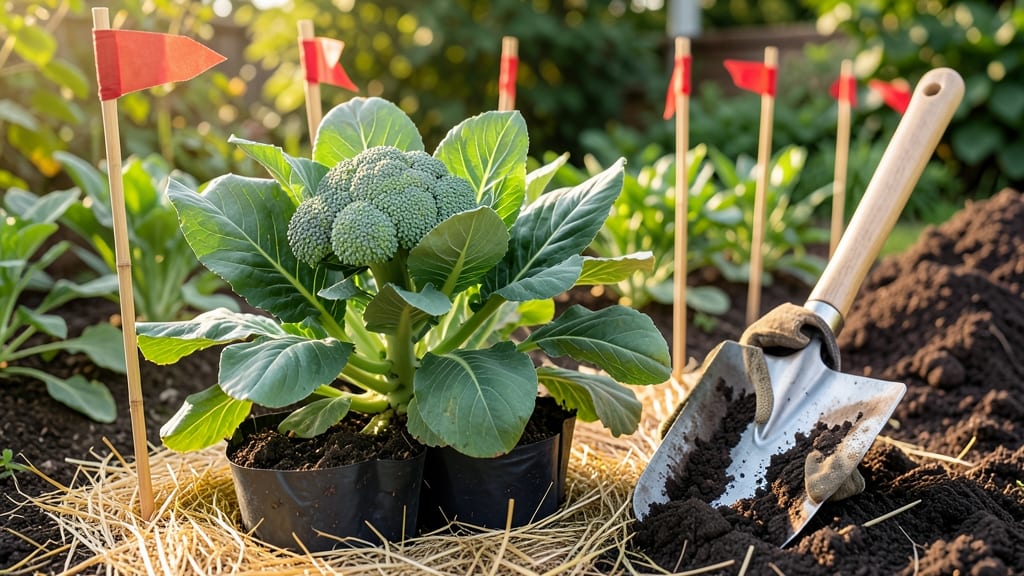
Planting a fall garden in Zone 7 starts 4 to 6 weeks before your first frost—typically between mid-August and early October—to give crops like kale and carrots time to mature before the cold sets in.
Missed the spring planting window? A well-timed fall garden in Zone 7 can still deliver a bountiful harvest—if you plant at the exact right moment. The key is knowing your last average frost date (usually around November 1) and working backward to avoid crops bolting or freezing before they’re ready.
Fast-growing leafy greens like spinach or radishes can handle cooler temps, but slower varieties like broccoli or Brussels sprouts need that 45-60 day head start to thrive. Soil prep and succession planting are your secret weapons to stretch the season even longer.
Below, I’ll break down the ideal planting schedule by crop, common mistakes to dodge, and how to protect your harvest right up until frost. Ready to turn those late-summer days into a fast, flavorful fall bounty?
Exact weeks before frost to plant fall vegetables in Zone 7 (by crop type)
Zone 7 gardeners have a 4–6 week window before the average first frost (October 15–November 1) to plant fall vegetables. Timing depends on your crop type—fast growers like leafy greens can handle late starts, while slow-maturing squash need early planting.
I’ll break down the exact weeks before frost for each category, so you can plan your fall harvest like a pro.
For Zone 7’s cooler fall months, soil temperatures drop below 50°F (10°C), which slows growth. Fast-maturing crops like radishes (25–30 days) or spinach (30–40 days) can be sown as late as September 15, while slower growers like broccoli (60–80 days) need an August 1–15 start.
Let’s dive into the specifics.
📅 Key Dates for Zone 7:
- First Frost: October 15–November 1
- Last Safe Planting: 4–6 weeks before frost (early Sept–mid-Oct)
- Soil Temp Threshold: 50°F (10°C) for germination
| Crop Type | Days to Maturity | Weeks Before Frost | Planting Window (Zone 7) | Notes |
|---|---|---|---|---|
| Leafy Greens | 30–45 days | 3–4 weeks | Late Aug–Sept 15 | Spinach, lettuce, kale |
| Root Vegetables | 40–60 days | 4–5 weeks | Early Aug–Sept 1 | Carrots, radishes, beets |
| Brassicas | 50–80 days | 5–6 weeks | Late July–early Aug | Broccoli, cabbage, kale |
| Squash & Beans | 70–90 days | 6–7 weeks | Early July–mid-Aug | Zucchini, bush beans |
| Cold-Hardy Herbs | 45–60 days | 4–5 weeks | Late Aug–Sept 10 | Cilantro, parsley, dill |
For fast-maturing crops like radishes or baby leaf lettuce, you can even push the envelope and plant as late as September 25. These 30–45 day varieties will bolt before frost, giving you a quick harvest.
I’ve grown ‘Cherry Belle’ radishes in early October with success—just cover them with frost cloth if temps dip below 30°F (-1°C).
If you’re transplanting seedlings (like broccoli or cabbage), start them indoors 6–8 weeks before your target outdoor date. For Zone 7, that means late June–early July for a mid-August transplant. Harden off seedlings for 7–10 days before moving them outside to avoid transplant shock.
One of my biggest mistakes was planting zucchini too late—it needs 75+ days to mature, and by September 1, the days are already getting shorter.
Instead, opt for ‘Eight Ball’ zucchini, which matures in 45 days, or stick to winter squash like ‘Butternut’, which can handle cooler temps.
For succession planting, sow fast growers every 2 weeks from mid-August until September 15. This ensures a steady supply of salad greens or radishes without overwhelming your garden. I’ve used this tactic
How to extend your fall harvest: soil prep, succession planting, and cold protection
Fall gardens in Zone 7 thrive when you prepare your soil and protect plants from early frosts. The key is to extend your harvest by 2–4 weeks using simple but effective techniques.
Start by enriching your soil with compost and aged manure—cool weather slows decomposition, so feed your plants now for steady growth. Focus on south-facing beds where warmth lingers longer, and use row covers to shield tender crops like lettuce and spinach.
Succession planting is your secret weapon. Instead of planting everything at once, stagger seeds every 10–14 days for a continuous harvest. Fast growers like radishes (30 days) or bush beans (50 days) work perfectly.
Pair them with slower crops like kale (60+ days) to maximize space. This method ensures you’re always picking fresh produce, even as temperatures drop.
Cold protection is non-negotiable in Zone 7. Floating row covers (like Reemay fabric) add 4–8°F of warmth and shield plants from light frosts. For heavier frosts, use hoop houses or cold frames to trap heat.
Mulch heavily with straw or leaves to insulate roots and prevent soil temperature swings. Even a black plastic mulch can warm soil by 5–7°F on sunny days.
Don’t overlook microclimates—your garden likely has warmer spots. South-facing slopes, brick walls, or paved surfaces radiate heat at night. Plant heat-loving crops like swiss chard or beets near these spots for an extra 1–2 weeks of growth.
Avoid planting near large trees that drop leaves early, as they’ll smother your crops.
- Test soil temperature: Aim for 50–60°F for cool-season crops. Use a soil thermometer—below 50°F stalls growth.
- Amend soil with compost: Mix in 2–3 inches of compost or well-rotted manure to boost nutrients for fall growth.
- Plant in stages: Start with fast growers (radishes, lettuce) in early August, then add slower crops (kale, carrots) in September.
- Use row covers: Protect seedlings with floating fabric to extend harvest by 2–4 weeks before hard frost.
- Harvest strategically: Pick leafy greens before frost (they’ll bolt), but leave roots like carrots in the ground until needed.
Timing is everything in Zone 7. For leafy greens like spinach or arugula, plant seeds 6–8 weeks before your average first frost (around mid-September in most of Zone 7).
For root crops (carrots, beets), start 8–10 weeks out (early September). Brassicas (kale, broccoli) need 10–12 weeks, so transplant them by mid-August. Always check your local frost dates—even a 1-week delay can mean the difference between a bountiful harvest and wasted seeds.
Finally, don’t forget to harvest correctly. Leafy greens taste sweeter after a light frost, but avoid heavy freezes. For root crops, pull them before hard frost (below 25°F) to prevent damage.
Store extras in a cool, dark place (like a root cellar or unheated garage) to enjoy fresh produce through winter. With these techniques, you’ll turn your fall garden into a prolonged harvest party—not just a quick finale before winter.