
Planting
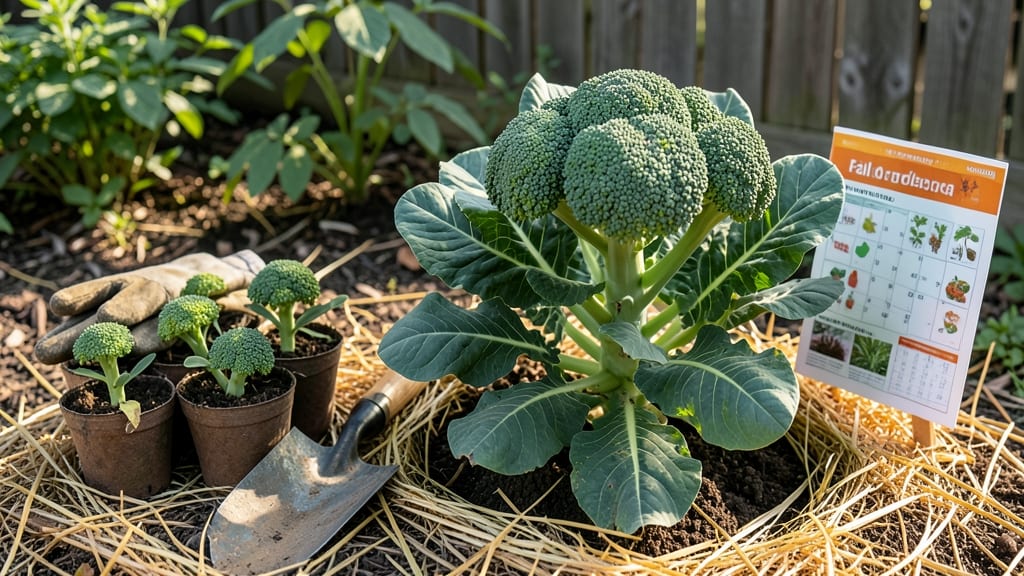
Planting a fall garden in Alabama means starting 6 to 8 weeks before your first frost — typically mid-August to early September — to beat the heat and maximize your harvest.
Alabama’s long, hot summers can make fall gardening a challenge, but timing is everything. Planting the right crops at the perfect moment ensures a bountiful harvest before winter frost, even in the Deep South’s humid climate.
With the right prep, you can grow heat-tolerant crops like collards, sweet potatoes, and kale that thrive in Alabama’s USDA Zones 7-8. The key is understanding your local frost dates and soil conditions to get the most out of your garden.
In this guide, I’ll break down the best planting timeline, top crops for Alabama’s fall garden, and tips to extend your growing season without frost damage. Let’s get started!
Best planting timeline for Alabama fall gardens (by month)
Alabama’s fall gardening season kicks off in late summer, but the key is planting heat-tolerant crops at the right time to avoid early frost. Most regions experience their last frost around mid-November, giving you a 3-4 month window for cool-season planting.
Start with warm-season crops in July-August and transition to cool-season varieties by September.
Your USDA Zone 7-8 climate means you can grow longer-season crops than northern gardeners, but microclimates vary—coastal areas stay warmer longer than inland regions. Use this month-by-month guide to align your planting with Alabama’s unique growing conditions, ensuring a prolonged harvest before winter sets in.
| Month | Planting Window | Best Crops to Start | Soil Prep | Notes |
|---|---|---|---|---|
| July | Late July | Sweet potatoes, okra, black-eyed peas | Warm soil, add compost | Heat-tolerant crops need 6+ weeks before frost |
| August | Early to mid-August | Collards, turnips, kale, carrots | Test soil pH (6.0-7.0) | Transition to cool-season crops as temps drop |
| September | Mid-September | Broccoli, cabbage, lettuce, spinach | Add mulch to retain moisture | Ideal time for transplants and direct sowing |
| October | Early October | Radishes, garlic, onions, peas | Cover soil with straw | Last chance for fast-maturing crops |
| November | Early November | Green onions, winter lettuce, arugula | Protect with row covers | Plant hardy greens for late harvests |
In July, focus on heat-loving crops like sweet potatoes and okra, which thrive in Alabama’s 90°F+ temperatures. These plants need 6-8 weeks to mature before the first fall frost, so don’t wait until late July—start seeds indoors or direct-sow by July 15th for best results.
By August, shift to transitional crops such as collards and turnips, which handle 80-90°F soil temps but benefit from afternoon shade as temperatures drop. Test your soil pH (aim for 6.0-7.0) and amend with compost or aged manure to boost nutrient levels for these nutrient-hungry plants.
September is the golden month for Alabama fall gardens—cool nights and 60-80°F days create perfect conditions for broccoli, cabbage, and spinach. Direct-sow fast-maturing varieties like ‘Florida Broadleaf’ collards or ‘Blue Lake’ bush beans for a late-October harvest. Use mulch to retain soil moisture and suppress weeds.
Don’t overlook October for quick-harvest crops like radishes and garlic. These plants mature in 30-60 days, making them ideal for late-season planting. Cover soil with straw
Top 7 heat-tolerant fall vegetables for Alabama gardens
Alabama’s fall garden thrives when you choose heat-tolerant crops that handle the state’s lingering summer warmth. These 7 vegetables produce well in Alabama’s USDA Zones 7b-8a, even as temperatures dip toward mid-November frost. Start planting 6-8 weeks before your average first frost date for maximum yield.
Key to success is selecting varieties bred for heat and understanding their planting depth, spacing requirements, and sunlight needs. Alabama’s humid climate means proper airflow is critical to prevent fungal diseases.
Let’s dive into the best crops for your fall garden and how to grow them like a pro.
-
🌱 Sweet Potatoes
Plant: Mid-May to early July | Depth: 1 inch | Spacing: 12 inches apart | Sun: Full sun (6-8 hours) | Variety: Beauregard (heat-tolerant) -
🌿 Collard Greens
Plant: Late July to early August | Depth: ¼ inch | Spacing: 12-18 inches | Sun: Full sun to partial shade | Variety: Georgia Southern (disease-resistant) -
🥔 Turnips
Plant: August to early September | Depth: ½ inch | Spacing: 4 inches apart | Sun: Full sun (5-6 hours) | Variety: Purple Top White Globe (fast-growing) -
🌶️ Okra
Plant: Late April to June | Depth: ½ inch | Spacing: 12-18 inches | Sun: Full sun (8+ hours) | Variety: Clemson Spineless (heat-loving) -
🥬 Kale
Plant: Late July to early August | Depth: ¼ inch | Spacing: 12-18 inches | Sun: Full sun to partial shade | Variety: Winterbor (cold-hardy) -
🌻 Black-Eyed Peas
Plant: Late August to early September | Depth: 1 inch | Spacing: 3-4 inches apart | Sun: Full sun (6-8 hours) | Variety: Purple Hull (drought-tolerant) -
🥕 Carrots
Plant: Late July to early August | Depth: ¼ inch | Spacing: 2 inches apart | Sun: Full sun (5-6 hours) | Variety: Danvers (sweet, crisp)
For sweet potatoes and okra, focus on full sun exposure and well-draining soil to prevent rot.
These heat-loving crops reward patience with high yields even as Alabama’s temperatures drop. Collards and kale, on the other hand, thrive in partial shade and become sweeter after light frost, making them perfect for late fall harvests.
When planting turnips and carrots, loosen the soil deeply to prevent forked roots. Use a fine mesh row cover if your area experiences early frosts. Black-eyed peas are drought-tolerant but benefit from consistent moisture during pod development.
Mulch heavily around all plants to retain soil moisture and regulate temperature swings.
Pro tip: Test your soil’s pH level before planting—most of these fall vegetables prefer 6.0-6.8 pH. Amend with compost or aged manure to improve fertility.
With the right planting depth, spacing, and sunlight, your Alabama fall garden will be a harvest goldmine before winter sets in. 🌿