
Planting
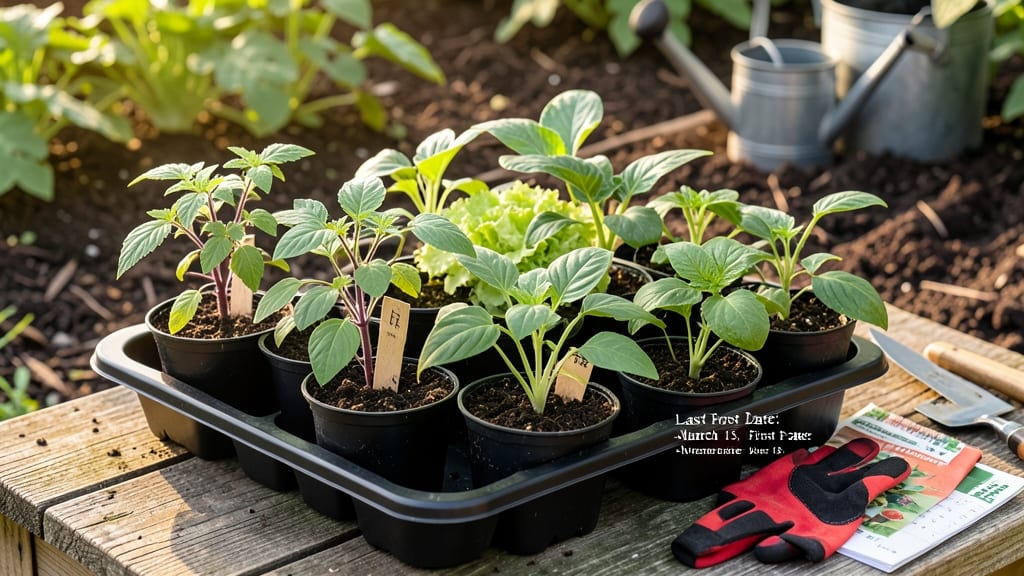
To plant a garden in Zone 7, aim for late March to early April for cool-season crops like lettuce and peas, or wait until mid-May for heat-lovers such as tomatoes and peppers.
Zone 7 gardeners face a delicate balance—plant too early and risk frost damage, too late and miss peak harvests. Timing isn’t just about months; it’s about understanding your microclimate and crop-specific needs.
Whether you’re a beginner or a seasoned gardener, getting the timing right can mean the difference between a thriving garden and a disappointing one. The key is knowing when soil warms up and when frost is truly out of the picture.
In this guide, I’ll break down the exact months to plant your garden in Zone 7, including frost dates, soil prep tips, and region-specific adjustments for coastal vs. inland areas.
Zone 7 planting calendar: exact months for cool and warm season crops
Mastering your Zone 7 planting calendar means aligning your garden with nature's rhythm. The average last frost date in Zone 7 typically falls between March 15 and April 15, while the first frost arrives around October 15 to November 15.
These dates create a 180-210 day growing season, perfect for both cool-season crops and warm-season favorites.
Your success hinges on understanding two key planting windows: early spring for hardy greens and late spring for heat-loving tomatoes. Soil temperatures below 40°F can stall growth, while seeds need 60°F+ soil to germinate reliably. Let's break down each month's opportunities to maximize your harvest.
🌱 Pro Tip: Always check your local microclimate—urban areas often warm faster than rural zones, while high-altitude spots may need delayed planting. Use a soil thermometer to verify readiness before sowing.
| Month | Cool Season Crops | Warm Season Crops | Soil Temp | Key Actions |
|---|---|---|---|---|
| February | Spinach, Kale, Peas | None | 40-50°F | Start seeds indoors |
| March | Lettuce, Broccoli, Carrots | Onions, Potatoes | 45-60°F | Direct sow hardy veggies |
| April | Radishes, Arugula | Peppers, Eggplants (start indoors) | 55-70°F | Transplant seedlings after last frost |
| May | None (succession plant lettuce) | Tomatoes, Cucumbers, Beans | 65-80°F | Mulch to retain moisture |
| June | None | Corn, Squash, Basil | 70-85°F | Water deeply 2-3x/week |
| July | None | Green beans, Okra, Sweet Potatoes | 75-90°F | Harvest frequently |
| August | None | Pumpkins, Winter Squash | 70-80°F | Prepare fall garden beds |
| September | Spinach, Radishes, Kale | None (harvest remaining warm crops) | 60-70°F | Plant garlic for spring harvest |
How to adjust planting times for Zone 7 microclimates and frost risksZone 7 spans diverse landscapes from coastal plains to mountain foothills, each with unique frost patterns and microclimates. A valley garden may enjoy 2-3 weeks earlier planting than a hillside just miles away. Understanding these variations lets you extend growing seasons and avoid frost damage. Urban heat islands in cities like Atlanta or Nashville can push last frost dates back by 10-14 days compared to rural areas. Meanwhile, high-altitude Zone 7 pockets (like 3,000-4,000 ft elevations) often face earlier frosts. These differences mean planting windows shift significantly even within the same zone.
⚠️ Frost Risk Adjustment Critical
Never rely on average frost dates—they’re just guidelines. Use these real-time adjustments:
Pro tip: Monitor local weather stations—not zone maps—for actual frost alerts. Row covers and cold frames are my go-to tools for extending seasons. A simple floating row cover can add 4-6°F protection, letting you plant spinach or kale 2-3 weeks earlier in spring or keep basil growing 2 weeks longer in fall. For high-value crops like tomatoes, I use mini greenhouses to start seeds 30 days before the last frost date. Soil temperature matters just as much as air temperature. Use a soil thermometer—most seeds need 40-50°F for germination. In urban heat islands, soil can reach planting-ready temps 1-2 weeks earlier than rural areas. For high-altitude gardens, wait until soil hits 55°F+ before planting warm-season crops like peppers or eggplants. Adjust your fall planting schedule too. In cooler microclimates, I plant broccoli and cabbage 4-6 weeks before the first frost for a winter harvest. In warmer pockets, those same crops can grow until December. Always check maturity dates—some varieties (like 'Winterbor' kale) tolerate 20°F and keep producing. For perennials and bulbs, timing matters too. Plant spring-blooming bulbs (like tulips) in late fall when soil temps drop below 60°F. In urban heat islands, this might be November; in mountain zones, it could be October. The rule? Plant when daytime temps are 60°F but nights dip below 50°F. Start tracking your local frost history—not just zone averages. Use free tools like Almanac’s Frost Calculator or your smartphone weather app to set personalized alerts. With these adjustments, you’ll maximize your Zone 7 garden’s potential year after year. 🌱 |