
Pruning
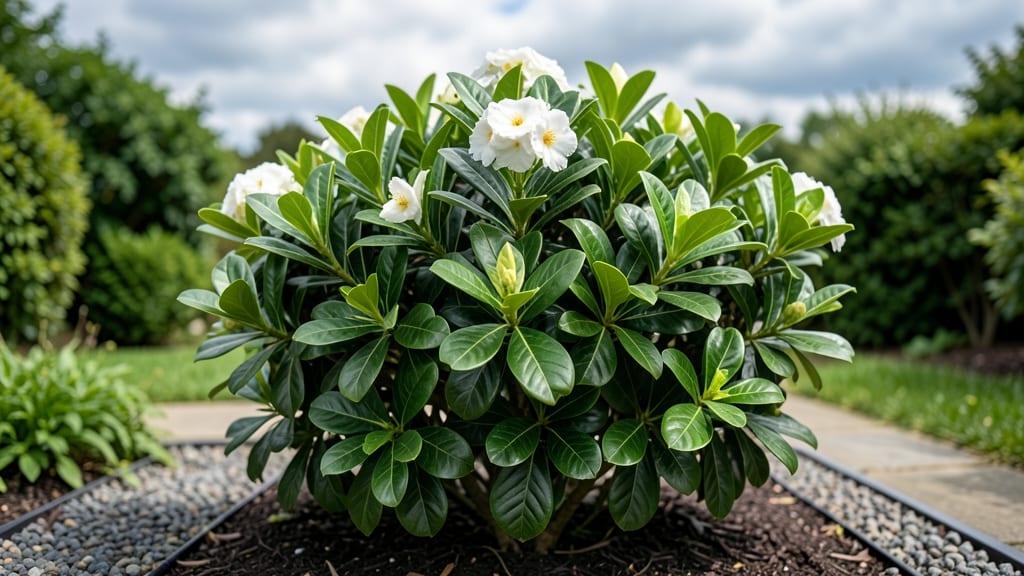
A gardenia bush’s height can reach 3 to 6 feet—but without the right pruning, it might tower over your fence or lose its blooms entirely.
Picture this: your fragrant 🌸 gardenia sprawling unchecked, its once-lush branches stretching thin while the flowers dwindle. That’s the frustration many gardeners face when they skip the basics of height control.
The good news? With just a few strategic cuts, you can keep your gardenia compact, blooming, and perfectly sized for your space.
Most varieties like Gardenia jasminoides thrive at 3 to 4 feet when pruned correctly, but factors like sunlight, soil, and pruning timing can push them taller—or stunt their growth.
Whether you’re dealing with a wildly overgrown bush or one that refuses to fill out, the key lies in understanding when and how to prune for optimal height.
In this guide, I’ll break down the ideal height for your gardenia, the best pruning techniques to maintain it, and how to avoid common mistakes that lead to unruly growth.
By the end, you’ll know exactly how to shape your gardenia into a neat, fragrant centerpiece—without sacrificing its health or beauty.

Natural ways to control gardenia bush height without harming growth
If your gardenia bush is reaching for the sky instead of staying within your desired height range, don’t panic. With the right pruning techniques and timing, you can gently guide its growth while keeping those fragrant blooms abundant.
The key is understanding when and how to trim without shocking the plant or stunting its natural beauty.
Most gardenia varieties like Gardenia jasminoides thrive at 3–6 feet tall, but they can easily outgrow their space if left unchecked. The secret lies in seasonal pruning—cutting back at the right time to encourage bushier growth and more flowers.
I’ve learned through trial and error that timing is everything, and a sharp pair of shears can make all the difference.
Before you grab your pruners, know that gardenia bushes respond best to light pruning rather than drastic cuts. Over-pruning can stress the plant and reduce blooming. Instead, focus on shaping and thinning to maintain height while encouraging a fuller, more compact form.
Let’s break down the exact steps to keep your gardenia at the perfect height.
Step-by-Step Guide to Pruning Gardenia Bush Height
- Step 1: Choose the Right Time Prune your gardenia right after blooming (late spring to early summer). Avoid pruning in fall or winter, as this can damage new growth.
- Step 2: Gather Your Tools Use clean, sharp pruners or shears to make precise cuts. Disinfect tools with rubbing alcohol to prevent disease spread.
- Step 3: Identify Problem Areas Look for overcrowded branches, dead wood, or stems growing toward the center. These are prime candidates for removal.
- Step 4: Trim Strategically Cut back 1/3 of the plant’s height if needed, but never remove more than 30% of the foliage at once. Focus on outer branches to encourage bushier growth.
- Step 5: Shape for Balance Use your pruners to even out the bush’s shape. Aim for a rounded, open form to allow airflow and sunlight penetration.
- Step 6: Clean Up Remove all pruned branches from the area and dispose of them properly. This prevents pests and diseases from lingering.
- Step 7: Fertilize and Water After pruning, apply a balanced, acid-loving fertilizer (like 10-10-10) and water deeply to help the plant recover.
One of the most common mistakes I see is pruning too late in the season, which can delay new growth and reduce next year’s blooms. Gardenias are sensitive plants, so patience and precision are key.
If your bush is already too tall, don’t despair—focus on gradual reduction over a few seasons to avoid shocking the plant.
For dwarf varieties like Gardenia augusta, you can prune more aggressively to maintain a 2–3 foot height, but always leave at least 1/3 of the plant intact.
This ensures the roots and remaining branches can support the remaining foliage. If you’re unsure about how much to trim, start conservatively and adjust in the following year.
Another pro tip: Pinch back new growth in early summer to encourage lateral branching. This simple technique can transform a leggy gardenia into a lush, compact bush. Just use your fingers to gently remove the top 1–2 inches of new shoots, and watch as your plant fills out beautifully.
Finally, remember that gardenia bushes thrive on consistency. Stick to your pruning schedule, and your plant will reward you with vibrant blooms and controlled growth. With the right approach, you’ll have a gardenia that’s not only the perfect height but also a stunning centerpiece in your garden.
🌸
Gardenia bush height by variety: expected growth ranges and pruning needs
Not all gardenias grow the same height—some varieties stay compact while others reach small tree proportions. Understanding your gardenia bush height expectations helps you plan spacing, pruning, and even container choices.
The most common gardenia, Gardenia jasminoides, typically matures between 3–6 feet, but dwarf varieties can stay under 3 feet. Knowing your specific variety’s growth habits ensures you provide the right care to keep it thriving without overgrowth.
Pruning needs vary dramatically between varieties. Tall gardenias like Radicans or Veitchii may need aggressive pruning to control their 6-foot-plus height, while dwarf varieties like Kleim’s Hardy require minimal trimming.
Below, I’ve outlined the most popular gardenia varieties, their expected mature heights, and the pruning strategies that work best for each—so you can keep your plant at your ideal size without sacrificing blooms or health.
If you’re growing gardenias in containers, choose a variety that fits your space. Kleim’s Hardy or Fortuniana thrive in 15–20 gallon pots, while taller varieties like Radicans need 30+ gallon containers to support their root systems.
Always prune container gardenias after blooming to encourage new growth for next season’s flowers. This timing also prevents overcrowding, which can lead to fewer blooms and leggy stems.
For gardenias planted in the ground, spread matters just as much as height. Most varieties spread 3–5 feet wide, so space them 4–6 feet apart for proper airflow and sunlight penetration. Overcrowding stresses plants, leading to pale leaves, fewer blooms, and susceptibility to fungal diseases.
Prune back any leggy branches in late winter or early spring to encourage a fuller, bushier shape while maintaining your desired height.
Remember, gardenias respond well to regular, gentle pruning—never remove more than one-third of the plant at once. Use sharp, sterilized pruners to make clean cuts just above a leaf node. This encourages healthy regrowth and keeps your gardenia compact, blooming, and manageable for years to come.
With the right variety and care, you can enjoy fragrant blooms without the headache of unruly growth.