
Pruning
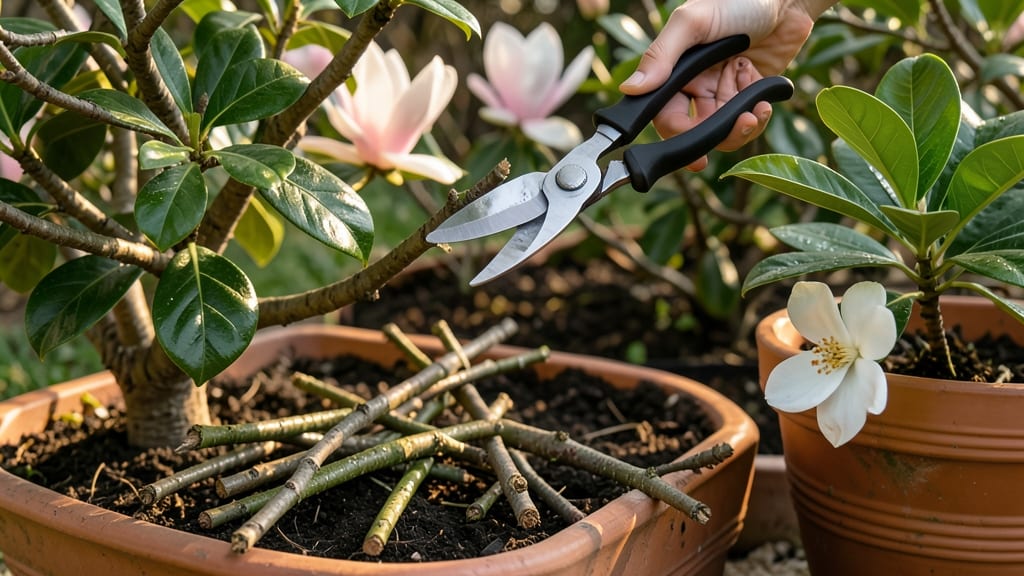
The best time to prune gardenias is late winter, just as new growth begins 🌸 — a critical window that sets the stage for fuller blooms and healthier shrubs.
Struggling to keep your gardenias blooming beautifully? Timing your pruning could be the missing piece—prune at the wrong time, and you risk stunted growth or no flowers at all.
Most gardeners wait until spring, but late winter (around February to early March in USDA Zone 6a) gives your gardenias a head start. This is when the plant is still dormant but ready to burst into action, making it the ideal time to shape and refresh.
Below, I’ll break down the exact steps, tools, and regional adjustments to ensure your gardenias thrive—so you can enjoy those fragrant blooms all season long.
Why late winter is the optimal time to prune gardenias
Pruning your gardenia at the right time can transform your shrub from a sporadic bloomer to a floral powerhouse. Late winter—just before new growth begins—isn’t just a random suggestion. It’s a scientifically backed strategy that aligns with gardenia’s natural growth cycle.
When you prune at this precise window, you’re essentially giving your plant a head start for the growing season, ensuring vibrant blooms and healthier foliage.
Gardenias are evergreen shrubs that thrive in warm climates, but even they need a strategic growth reset. Late winter pruning removes old, weak wood while allowing new shoots to emerge strong and disease-free.
This timing also avoids the stress of pruning during active flowering or dormancy, both of which can stunt growth or invite pests. Think of it as a fresh start for your gardenia, just as nature intended.
🌱 Did You Know? Gardenias bloom on new wood, meaning the flowers you love develop from the current year’s growth. Pruning too late in spring or summer can reduce next year’s blooms because you’re cutting back the potential flower buds before they form. Late winter pruning ensures you’re maximizing bloom potential for the upcoming season.
One of the biggest scientific benefits of late winter pruning is reducing disease risk. During dormancy, gardenias are more resistant to fungal infections like powdery mildew or root rot.
Pruning in late winter removes old, diseased wood before new shoots emerge, giving your plant a clean slate to grow strong and healthy. Additionally, late winter pruning stimulates airflow within the shrub, which is critical for preventing fungal spores from taking hold.
The natural growth cycle of gardenias makes late winter the perfect time to prune. After a cool winter rest, your gardenia is preparing to burst into growth.
When you prune just before this growth surge, you’re redirecting energy into new, vigorous branches that will produce more flowers and denser foliage. This is especially important for older gardenias, which can become woody and overgrown without regular pruning.
However, climate plays a huge role in the exact timing. If you live in a warm climate (like USDA Zones 9-11), where winters are mild and no frost occurs, you can prune slightly later—early spring (just after the last frost).
But in cooler climates (like USDA Zones 7-8), late winter (around February-March) is ideal because it ensures you’re pruning before new growth begins. Miss this window, and you might delay blooming or reduce flower quality.
Another key reason late winter pruning works is that it encourages strong root development. When you remove old, unproductive branches, the plant redirects nutrients to the root system, which then fuels new growth above ground.
This root-to-shoot connection is what leads to healthier, more resilient plants that can withstand pests and diseases better. It’s like giving your gardenia a nutritional boost right when it needs it most.
For container-grown gardenias, late winter pruning is even more critical because root space is limited. Pruning at the right time helps prevent overcrowding and ensures the plant doesn’t outgrow its pot too quickly. If
Step-by-step late winter pruning guide for gardenias
Pruning your gardenias at the right time ensures vibrant blooms and healthy growth. Late winter—just before new buds form—is the perfect window to refresh your shrubs. This timing allows the plant to recover quickly and produce more flowers in spring.
If you miss this window, you risk weakened branches or fewer blooms later in the season.
Before you start, gather the right tools and supplies. You’ll need sharp pruning shears, sterilized cutting tools (to prevent disease), rubbing alcohol (for sterilization), and garden gloves (to protect your hands).
Avoid using dull tools, as they can crush branches instead of making clean cuts. Sterilizing your tools between cuts is critical to avoid spreading fungal infections.
- Step 1: Identify dead or diseased wood by looking for brown, mushy, or discolored branches. These should be removed first to prevent spread of disease.
- Step 2: Locate the branch collar (the swollen area where the branch meets the stem). Make your cut just above the collar at a 45-degree angle to allow water to run off.
- Step 3: Trim back overgrown branches to shape the shrub and improve airflow. Never remove more than 1/3 of the plant in one session.
- Step 4: Remove spent blooms from the previous season to encourage new growth. Look for brown or wilted flowers and prune them at the base.
- Step 5: Sterilize your tools between cuts with rubbing alcohol to prevent bacterial spread. Wipe down blades thoroughly after each cut.
- Step 6: Clean up debris around the base of the plant. Dispose of pruned branches properly to reduce pests and disease risks.
- Step 7: Apply a light mulch around the base to retain moisture and protect roots as the plant recover from pruning.
One of the most common mistakes gardeners make is pruning too aggressively. Gardenias are sensitive plants, and removing more than 1/3 of the foliage can stress the plant and reduce flowering.
Another pitfall is pruning at the wrong time, such as late summer or fall, which can stunt new growth before winter dormancy.
After pruning, monitor your gardenias closely for the first few weeks. Look for signs of stress, like yellowing leaves or dropping buds. If you notice these, reduce watering slightly and avoid fertilizing until the plant shows signs of recovery.
With the right care, your gardenias will thrive and bloom beautifully all season long.
For best results, prune your gardenias every 1-2 years in late winter. This regular maintenance keeps the plant compact, healthy, and full of blooms. Pair your pruning with proper watering and fertilizing to give your gardenias the boost they need for the growing season ahead.