
How To
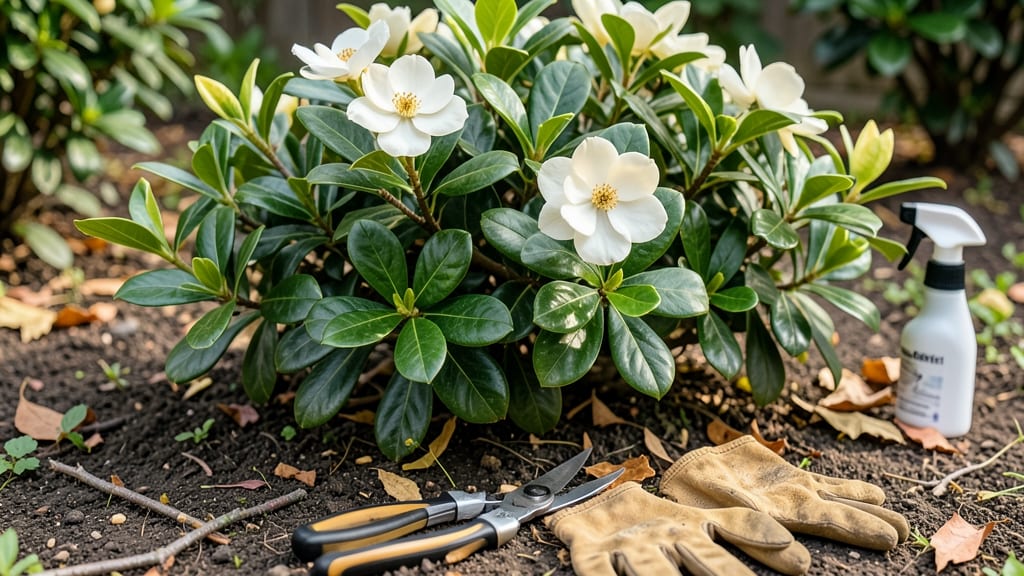
To trim gardenia bushes for the best blooms, aim for late winter or early spring before new growth starts—just as buds begin to swell 🌸.
Struggling to keep your gardenia bushes blooming beautifully? Timing your pruning perfectly can mean the difference between lush, fragrant flowers and sparse, weak growth—here’s the science-backed schedule every gardener needs.
Most gardeners make one of two mistakes: trimming too early, which cuts off next season’s buds, or waiting too long, which crowds out airflow and invites pests. The ideal window is just before spring growth kicks in, giving your plant a head start without sacrificing next year’s flowers.
In this guide, you’ll discover how to adjust timing based on your USDA zone, the step-by-step pruning technique that keeps your gardenia healthy, and how to avoid the most common pitfalls—so you can enjoy those iconic white blooms year after year.
Best time of year to trim gardenia bushes for maximum blooms
Timing your gardenia bush pruning is one of the most critical decisions for encouraging abundant, fragrant blooms. Unlike many shrubs, gardenias bloom on old wood, meaning last year’s growth produces this year’s flowers.
Cutting at the wrong time can reduce blooms by 50% or more, leaving you with sparse, leggy plants. The golden window for pruning is late winter to early spring, just as new growth begins but before buds swell.
This timing ensures you’re not removing potential flower buds while still shaping the plant for the season ahead.
If you’ve ever wondered why your gardenias stopped blooming after pruning, the answer likely lies in poor timing. Pruning during active growth (spring to summer) removes next year’s flower buds, while cutting too late in fall leaves the plant vulnerable to winter stress.
Even deadheading spent blooms in summer should be done carefully—only remove flowers that have fully faded to avoid accidental pruning of new buds.
Your USDA hardiness zone plays a huge role in pruning timing. In colder climates (Zones 6-8), aim to finish pruning by mid-March to give new growth time to harden off before late spring frosts.
In warmer zones (Zones 9-10), you can extend pruning into early April since frost isn’t a concern. The key is to prune 2-4 weeks before your area’s last frost date, allowing 4-6 weeks for new growth before summer heat sets in.
| Climate Zone | Best Pruning Window | Key Consideration | Avoid Cutting |
|---|---|---|---|
| Zones 6-8 (Cold Winters) | Late February - Mid-March | After last hard frost risk | After April 15 (new growth vulnerable) |
| Zones 9-10 (Mild Winters) | Early March - Early April | Before summer heat stress | After May 1 (reduces blooms) |
| Potted Gardenias (Any Zone) | Late Winter (Jan-Feb) | Encourages compact growth | During flowering season |
The science behind late winter pruning comes down to dormant season timing. When gardenias enter dormancy in fall, they’ve already set next year’s flower buds. Pruning in late winter removes dead or crossing branches while leaving the flower-producing wood intact.
This approach also improves air circulation, reducing fungal diseases like powdery mildew that thrive in dense, humid foliage. Think of it as giving your plant a fresh start—like a spring haircut that promotes healthy growth without sacrificing blooms.
One common mistake I see is over-pruning gardenias to encourage bushier growth. While a light 25-30% reduction in size is ideal, cutting back by more than one-third can shock the plant and delay flowering.
Focus on removing only dead, diseased, or wayward branches—never more than 20% of the plant’s total volume in a single session. For shaping, aim for an open, vase-like structure to allow sunlight to penetrate to the center, where most buds form.
If you missed the late winter window, don’t panic—light pruning in early summer (after blooming) is better than none at all. However, limit yourself to removing only spent flowers and a few stray branches.
Avoid heavy pruning in summer, as this can stimulate tender new growth that’s vulnerable to heat stress or frost later in the season. For container gardenias, you have slightly more flexibility, but still prioritize late winter shaping to maintain compact growth.
Pro tip: Mark your calendar for February 15th as your gardenia pruning deadline in most zones. By this date, you’ve likely passed the frost risk in warmer areas and still have time to see new growth before summer.
Pair this with a spring fertilizer application (high in phosphorus for blooms) to give your pruned gardenias the nutrients they need to rebound with vigor. The result? A bush bursting with fragrant white blooms by late spring.
Remember, gardenias are sensitive to stress, so always use clean, sharp pruners to make 45-degree cuts just above a leaf node. Sterilize your tools with rubbing alcohol between cuts to prevent spreading disease.
And if you’re unsure about timing, wait until you see new buds forming—that’s your cue to hold off on pruning until next year.
With the right timing, your gardenias will reward you with years of lush, fragrant blooms—proof that a little patience in pruning goes a long way. 🌸✂️💧
Step-by-step guide: how to prune gardenia bushes without killing flowers
Pruning your gardenia bushes at the right time ensures vibrant blooms and healthy growth. The key is timing—cutting too early or too late can stunt flower production or stress the plant.
I’ve learned that post-bloom pruning in late spring or early summer is the sweet spot, but there’s more to it than just snipping branches. Let’s break it down so you can keep your gardenias thriving.
First, understand that gardenias bloom on new wood, meaning they produce flowers on current season’s growth. If you prune too aggressively in early spring, you risk removing next year’s flower buds. Instead, wait until after blooming (usually June or July in most climates) to shape your bushes.
This timing lets the plant recover and prepares it for another round of blooms in summer or fall, depending on your region.
🌿 Step-by-Step Pruning Guide for Gardenias
- Step 1: Wait for Blooms to Fade Prune 2-4 weeks after your gardenias finish flowering. Look for wilted or spent blooms as your cue—this signals the plant has completed its blooming cycle.
- Step 2: Gather the Right Tools Use sterilized pruning shears or sharp bypass pruners to make clean cuts. Avoid dull tools, which can tear branches and invite disease. Wipe blades with rubbing alcohol between cuts.
- Step 3: Remove Dead or Diseased Wood Start by cutting out dead, damaged, or diseased branches at the base. This improves air circulation and reduces pests. Look for blackened leaves or mushy stems—these are red flags.
- Step 4: Shape for Airflow Thin out overcrowded branches to create an open, airy shape. Aim for a rounded bush with space between stems. Avoid heavy pruning—never remove more than 1/3 of the plant in one session.
- Step 5: Trim Back Overgrowth Lightly trim long, leggy branches to encourage bushier growth. Cut just above a leaf node or bud to promote new shoots. Avoid cutting into old wood unless necessary.
- Step 6: Clean Up and Fertilize Remove all pruned debris from the area to prevent fungal growth. After pruning, apply a balanced, acidic fertilizer (like 10-10-10) to support new growth. Water deeply to help the plant recover.
One of the biggest mistakes I’ve seen is over-pruning in a single session. If you accidentally trim too much, don’t panic—your gardenia can recover! Focus on light pruning in the next session to encourage regrowth.
Another common error is using dull or dirty tools, which can spread disease. Always sterilize your shears with rubbing alcohol before and after pruning.
For potted gardenias, the same rules apply, but be extra gentle. These plants have limited root space, so pruning too aggressively can stress them. After trimming, repot if roots are circling the container.
If you’re in a warmer climate (Zone 8+), you might see a second blooming cycle—prune lightly again in early fall to encourage this.
Remember, the goal is to promote healthy growth while preserving next year’s blooms. With the right timing and technique, your gardenias will reward you with fragrant, show-stopping flowers for years to come. Happy pruning! 🌸