
Aphids
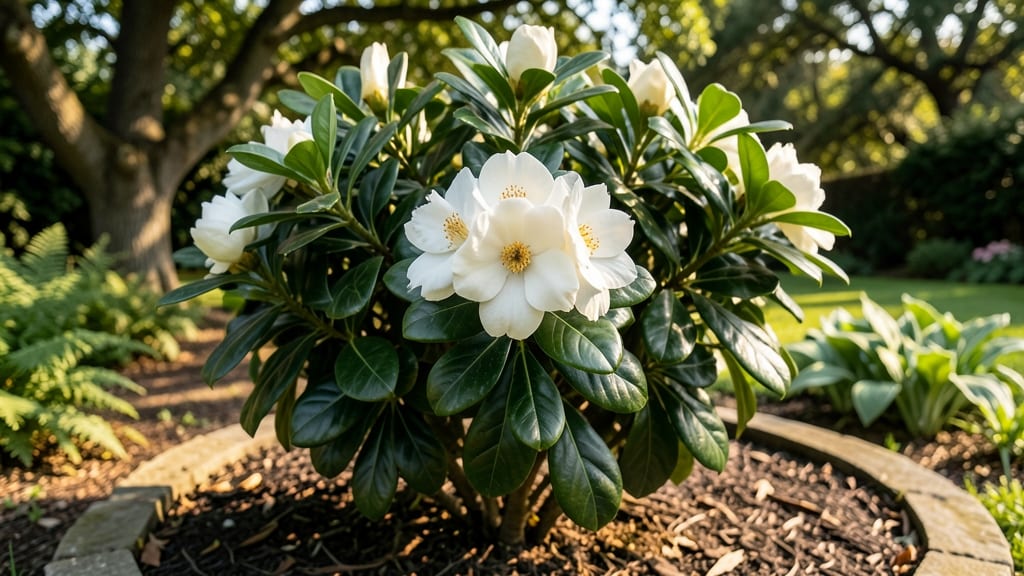
Understanding a gardenia’s natural height and width is the key to pruning it just right for those lush, fragrant blooms you love.
If your gardenia plant is growing too tall, leggy, or struggling to produce those coveted fragrant blooms, knowing its mature size—and how to prune it properly—could be the game-changer your garden needs.
A standard gardenia 🌸 can reach 4 to 6 feet tall, while dwarf varieties stay compact at just 2 to 3 feet, making spacing and pruning choices critical for both aesthetics and health.
Beyond the numbers, the way a gardenia grows—whether upright or bushy—dictates how you shape it. Too much height without width can mean fewer blooms, while proper spacing ensures airflow and reduces pests. Below, I’ll break down how to manage growth for a thriving, fragrant shrub that fits your garden perfectly.
You’ll learn how to prune for bushiness, when to trim for height control, and how seasonal growth affects your garden design. Let’s get started!

Natural gardenia height and width: varieties and growth patterns explained
Understanding your gardenia's natural height and width is key to creating a thriving, fragrant garden. These tropical shrubs vary dramatically in size, from compact dwarf varieties perfect for containers to towering standard gardenias that need pruning to maintain shape.
Knowing your specific type helps you plan spacing, pruning, and even container choices for optimal growth.
Most gardenias reach their mature height within 3-5 years, but their growth patterns differ by variety. Some grow upright with long, leggy stems, while others spread wider with bushier habits.
This affects how you'll need to prune them to encourage bloom production and maintain a healthy shape throughout the seasons.
Here's a quick comparison of common gardenia varieties and their mature dimensions. Understanding these will help you choose the right type for your garden space and prune effectively to control their size.
| Variety | Mature Height | Mature Width | Growth Habit | Best For |
|---|---|---|---|---|
| Common Gardenia (Gardenia jasminoides) | 4-6 ft | 3-5 ft | Upright, bushy | Borders, hedges, specimen planting |
| Cape Jasmine (Gardenia augusta) | 6-10 ft | 4-6 ft | Tall, spreading | Tropical gardens, large landscapes |
| Dwarf Gardenia (Gardenia jasminoides 'Kleim's Hardy') | 2-3 ft | 2-3 ft | Compact, rounded | Containers, small gardens, patios |
| Radicans Gardenia (Gardenia radicans) | 1-2 ft | 2-3 ft | Trailing, spreading | Hanging baskets, ground cover |
| Veitchii Gardenia (Gardenia veitchii) | 3-5 ft | 3-4 ft | Bushy, upright | Specimen plants, mixed borders |
The Common Gardenia is the most popular variety for home gardens, reaching heights of 4-6 feet with a similar spread. Its bushy growth habit makes it ideal for hedges or as a focal point in garden beds.
When planting, allow 3-5 feet of space around it to accommodate its mature width and prevent overcrowding.
For smaller spaces, dwarf varieties like 'Kleim's Hardy' are perfect. These stay under 3 feet tall and wide, making them excellent choices for containers or urban gardens. Their compact size also means they require less aggressive pruning, though they still benefit from occasional shaping to encourage more blooms.
If you're growing gardenias in containers, choose dwarf or trailing varieties like Radicans Gardenia. These thrive in pots and can be pruned more aggressively to control their size. Remember that container-grown gardenias may need more frequent watering and regular feeding to compensate for limited root space.
Seasonal growth patterns also affect how you manage your gardenia's height and width. In spring and summer, these plants experience their most rapid growth, often producing new shoots that can become leggy if not pruned.
This is the best time to shape your gardenia by pinching back new growth to encourage a fuller, bushier habit.
During fall and winter, gardenias typically enter a dormant phase, especially in cooler climates. Growth slows significantly, and pruning should be minimal. However, you can still remove any dead or diseased branches to maintain plant health.
Avoid heavy pruning during this time, as it can stress the plant and reduce next year's bloom production.
Understanding your gardenia's natural growth patterns helps you plan for its long-term care. For example, if you have a Cape Jasmine that could reach 10 feet tall, you'll need to prune it regularly to keep it manageable in your garden space.
Regular pruning also encourages more abundant blooming by redirecting the plant's energy toward flower production rather than excessive height growth.
When selecting a gardenia variety, consider not just its mature size but also its growth habit. Some varieties, like the Radicans Gardenia, spread wider than they grow tall, making them perfect for ground cover or hanging baskets.
Others, like the Veitchii Gardenia, grow more upright and can be trained as small trees or shrubs with proper pruning.
Finally, remember that gardenias respond well to pruning, so don't be afraid to shape them as they grow. Regular maintenance will keep your gardenia looking its best while ensuring those fragrant blooms continue to thrive year after year. 🌸
How to prune gardenias for optimal height and bushy growth
Pruning your gardenia isn't just about controlling its height and width—it's the secret to unlocking those fragrant blooms you adore. Many gardeners make the mistake of pruning at the wrong time or using the wrong tools, which can actually stunt growth or reduce flowering.
The key is timing, technique, and knowing which stems to target for that perfect bushy shape.
Gardenias naturally grow as semi-evergreen shrubs with a mature height of 4-6 feet and a width of 3-5 feet. However, if you're growing a dwarf variety like 'Radicans,' expect it to stay compact at 2-3 feet tall.
Pruning helps maintain these dimensions while encouraging lateral branching—the secret to more blooms and a fuller look.
Step-by-Step Pruning Guide for Gardenias
- Step 1: Choose the Right Time
Prune gardenias right after blooming (late spring to early summer) to encourage new growth for next year's flowers. Avoid pruning in fall or winter, as this can damage dormant buds.
- Step 2: Gather Your Tools
Use clean, sharp pruners (sterilized with rubbing alcohol) and hand pruners for smaller stems. Disinfect tools between cuts to prevent bacterial infections.
- Step 3: Remove Dead or Weak Growth
Cut out dead, diseased, or crossing branches first. Look for stems that are brown inside, hollow, or rubbing against others—these should go.
- Step 4: Thin Out Overcrowded Branches
Selectively remove 1/3 of the oldest wood to improve airflow and light penetration. Focus on branches growing inward or downward to open up the plant.
- Step 5: Shape for Bushiness
Cut back taller stems by 1/3 to encourage lateral branching. Make cuts just above a leaf node or bud at a 45-degree angle to prevent water pooling.
- Step 6: Fertilize After Pruning
Apply a balanced acid fertilizer (like 8-3-9) 2-3 weeks after pruning to support new growth. Water deeply to help roots recover.
One of the most common mistakes gardeners make is pruning too late in the season. If you wait until fall or winter, your gardenia won’t have time to develop new growth before dormancy, which can lead to fewer blooms next year.
Another pitfall is over-pruning—cutting back more than 1/3 of the plant at once can shock the shrub and reduce flowering.
For gardenias grown in containers, pruning is even more critical to control their size. Since potted gardenias have limited root space, they rely on pruning to stay compact. After pruning, consider repotting if roots are circling the container—this gives them room to recover and grow bushier.
Remember, the goal is to encourage width, not height. By focusing on lateral branches and avoiding heavy top pruning, you’ll create a gardenia that’s bursting with blooms and easy to maintain. With the right technique, your gardenia will reward you with years of fragrant beauty.