
Size
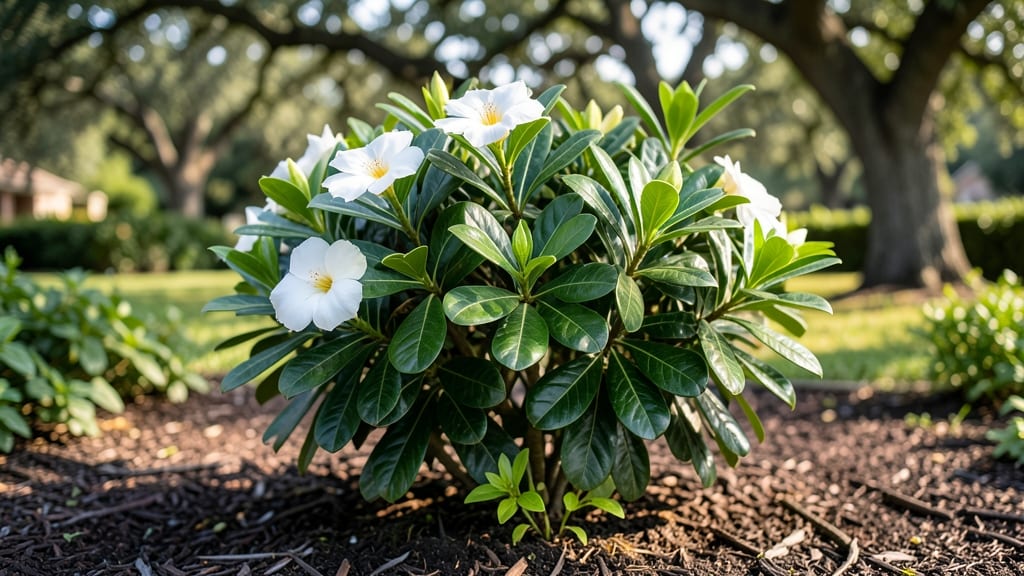
Gardenias grow anywhere from 2 to 6 feet tall depending on the variety, with some reaching small-tree proportions while others stay compact enough for containers.
If you’re dreaming of fragrant gardenias but wondering whether they’ll fit in your yard, the answer depends on the variety—some stay compact while others stretch tall like small trees.
The classic Gardenia jasminoides 🌸 often tops out around 4 to 6 feet, while dwarf types like ‘Kleim’s Hardy’ max out at just 2 feet.
Climate plays a role too: gardenias in USDA Zone 6a may grow slower in cooler springs, while warmer regions can push them toward their upper height limits. Proper spacing—3 to 10 feet apart—ensures airflow and prevents overcrowding, which can stunt growth.
Below, I’ll break down the exact mature sizes for popular varieties, how to manage their spread, and whether your space is better suited for a standard shrub or a container-friendly dwarf. You’ll also find pruning tips to keep them in check.


Gardenia mature height by variety: from bushes to small trees
Choosing a gardenia variety isn’t just about fragrance—it’s also about space planning. Some varieties grow as compact bushes perfect for containers, while others become small trees dominating your landscape. Knowing the mature height of each type helps you pick the right fit for your garden or patio.
Most gardenias belong to the Gardenia jasminoides species, but even within this group, heights vary dramatically. For example, the ‘Kleim’s Hardy’ stays under 3 feet tall, while the ‘Radicans’ variety can reach 6 feet or more. Let’s break down the most popular varieties and their growth habits.
The Gardenia jasminoides is the most common type you’ll find in gardens, and its height depends heavily on the cultivar. For instance, the ‘Kleim’s Hardy’ is a dwarf variety that thrives in containers or small garden beds, making it ideal for balconies or patios.
Its compact size also means it’s easier to protect from frost in colder climates.
On the other hand, the ‘Radicans’ variety is a climber, capable of reaching 6 feet or taller if given support. This makes it perfect for trellises or arbors, where its vining habit can create a fragrant, floral curtain.
If you’re growing it as a standalone shrub, expect it to spread widely, so plan for at least 5–7 feet of space.
For those who love the look of a small tree, the Gardenia augusta is a stunning choice. This variety can grow up to 10 feet tall with a spread of 8–12 feet, making it a focal point in large gardens or tropical landscapes.
It’s less common in home gardens due to its size but is prized for its large, creamy-white blooms.
If you’re working with limited space, the ‘Veitchii’ and ‘Fortuniana’ varieties strike a balance. Both reach 3–5 feet tall and are excellent for foundation plantings or mixed borders. Their upright growth habit also makes them easier to train into hedges or topiary shapes if you’re feeling creative.
Remember, these heights are mature measurements, which can take 3–5 years to achieve. In their first year, gardenias typically grow only 1–2 feet tall, so don’t expect instant results. Proper pruning and care can also influence their final size—regular trimming encourages bushier growth and prevents leggy stems.
Whether you’re dreaming of a fragrant hedge, a climbing vine, or a statement shrub, there’s a gardenia variety that fits your vision. Just match the mature height to your space and care for it with the right sunlight, soil, and pruning to keep it thr
Proper Gardenia spacing for healthy growth and fragrance
When planting gardenias, proper spacing is key to ensuring strong growth, vibrant blooms, and that signature sweet fragrance. These shrubs need room to breathe—crowding them leads to poor airflow, which invites fungal diseases like powdery mildew and weakens their natural resistance.
Think of it like giving your gardenias a cozy but not cramped home where they can thrive without competing for sunlight or nutrients.
Most gardenias mature between 3 to 10 feet tall and wide, depending on the variety. Standard types like Gardenia jasminoides can reach up to 6 feet, while dwarf varieties stay under 3 feet. The spacing you choose directly impacts how well they bloom and how easy they are to maintain.
For example, planting them too close can make pruning difficult and reduce the number of fragrant flowers you enjoy each season.
- 3–4 feet apart: Ideal for dwarf varieties (e.g., ‘Kleim’s Hardy’ or ‘Veitchii’) in containers or small gardens. Ensures airflow while keeping them manageable.
- 5–6 feet apart: Perfect for medium-sized gardenias (e.g., ‘Radicans’ or ‘Fortuniana’). Balances growth and sunlight exposure for lush foliage and blooms.
- 8–10 feet apart: Required for tall varieties (e.g., ‘Augusta’ or ‘Mystery’ varieties). Mimics their natural spacing in tropical climates.
- Container spacing: Use one plant per 12–18 inch pot for dwarf types. Larger pots (20+ inches) can accommodate semi-dwarf varieties with 2–3 feet of space.
- Pruning tip: If overgrowth occurs, prune in early spring before new growth starts. Remove 1/3 of the oldest stems to encourage bushier, fragrant blooms.
Another critical factor is sunlight access. Gardenias love morning sun and afternoon shade, especially in hotter climates. When spacing, place them where they’ll receive at least 4–6 hours of indirect sunlight daily.
If you’re planting multiple gardenias, arrange them in a way that their canopies don’t shade each other completely—this ensures even growth and prevents leggy stems.
For those with limited space, container gardening is a fantastic option. Choose pots with drainage holes and use a well-draining, acidic soil mix (pH 5.0–6.0). Dwarf varieties like ‘Kleim’s Hardy’ thrive in containers as small as 12 inches, while semi-dwarf types need at least 18 inches.
Just remember to water consistently—containers dry out faster than garden beds, and gardenias hate soggy roots.
If you notice your gardenias becoming overcrowded or leggy, don’t hesitate to prune. The best time to prune is right after flowering, when the plant can redirect energy into new, healthy growth.
Use clean, sharp pruners to make cuts just above a leaf node, and always sterilize your tools with rubbing alcohol to prevent disease spread. This simple step can transform a straggly shrub into a bushy, fragrant beauty.
With the right spacing and care, your gardenias will reward you with glossy leaves and intoxicating blooms all season long. Whether you’re planting them in a sunny border or a cozy container, these tips will help you create the perfect environment for your fragrant favorites to shine. Happy gardening! 🌿🌸