
Watering
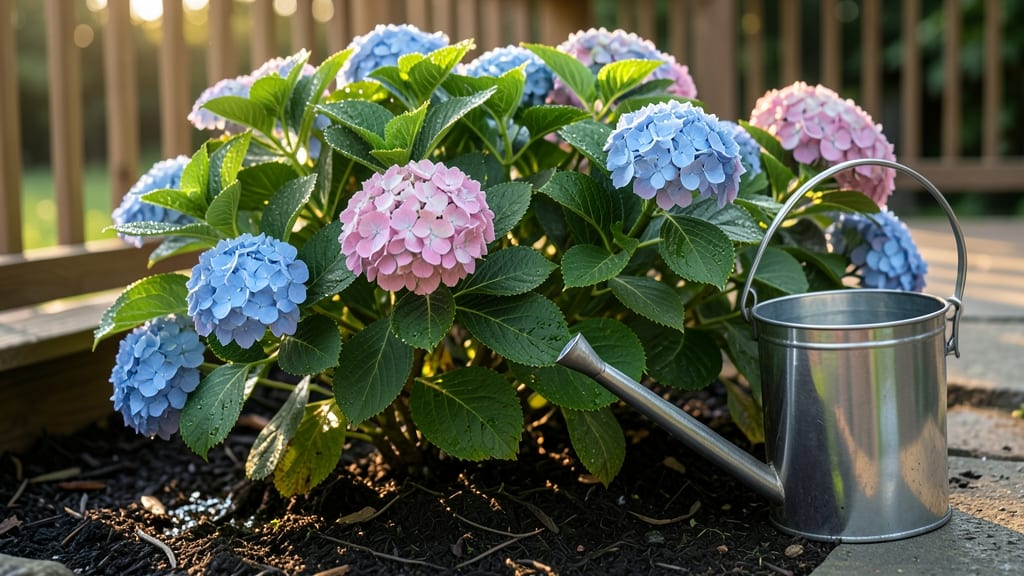
The best time of day to water your garden is early morning—between 4 AM and 8 AM—to maximize moisture absorption, reduce evaporation, and prevent fungal diseases before the sun peaks. Avoid watering in the evening to minimize humidity-related pests and mildew.
The early morning window gives plants a full day to soak up water before temperatures rise, which helps roots develop stronger. 🌱 This schedule also prevents fungal spores from thriving on damp leaves overnight, a common issue with evening watering.
I’ve found that even a 30-minute difference can impact how quickly your soil dries, especially in hot climates where evaporation happens fast. For container plants or drought-prone areas, consider adding mulch to lock in moisture longer.
What’s interesting is how climate plays a role—cooler, humid regions might need adjustments, while arid zones benefit most from this routine. If you notice leaves staying wet past midday, that’s your cue to shift your schedule slightly earlier.
Tools like drip irrigation systems can help automate this process while delivering water directly to roots where it’s needed most.
💡 In This Article
- Why Morning Watering Boosts Plant Health
- Morning vs. Evening Watering: A Gardener’s Decision Guide
Why morning watering boosts plant health
Morning watering works best because it aligns with plants' natural circadian rhythms. When you water between 4 AM and 8 AM, the soil stays cool and damp as the sun rises, allowing roots to absorb moisture gradually throughout the day.
This creates a steady hydration process that mimics natural rainfall patterns. The key factor here is temperature: cooler morning air reduces evaporation rates by up to 30% compared to midday watering, meaning your plants retain more moisture longer. 🌞
The science behind this involves how sunlight interacts with water. When you water in the evening, moisture lingers on leaves overnight, creating ideal conditions for fungal spores like powdery mildew to thrive. Morning watering gives foliage time to dry completely before nightfall, disrupting fungal growth cycles.
Studies show that plants watered in the morning develop stronger root systems because the moisture has 12+ hours to penetrate deeply before evaporation peaks in the afternoon heat.
Another critical aspect is how temperature fluctuations affect soil moisture. During the day, soil temperatures can rise 15-20°F in sunny climates, accelerating evaporation. Watering in the morning ensures the soil stays hydrated when temperatures are cooler, maintaining optimal moisture levels for microbial activity in the root zone.
This is particularly important for container plants, where soil dries out 2-3 times faster than in-ground soil due to exposure to wind and sun.
Consider how different plant types respond: succulents and cacti, for example, store water efficiently and benefit from morning watering that gives them time to absorb before their thick skins seal.
On the other hand, leafy greens like lettuce or spinach need consistent moisture to prevent bolting (premature flowering), making morning watering ideal for their growth cycles. The general rule is to water when the soil is coolest—this maximizes absorption and minimizes waste.
What most gardeners don't realize is how wind patterns affect watering efficiency. Morning air is typically calmer, allowing water to penetrate soil more effectively rather than being blown away. In windy climates, this can mean the difference between 40-50% moisture retention versus 20-30% when watering later in the day.
Using a rain gauge can help you measure exactly how much water your plants need, ensuring you're not over- or under-watering during these critical morning hours.
For those in humid climates, morning watering still holds advantages. The slight breeze that often accompanies mornings helps prevent stagnant air around plants, reducing the risk of bacterial infections.
In contrast, evening watering can create a humid microclimate that traps heat and moisture, creating perfect conditions for pests like slugs and snails. The solution? A simple adjustment to your schedule can transform your garden's health overnight. 🌱