
How To
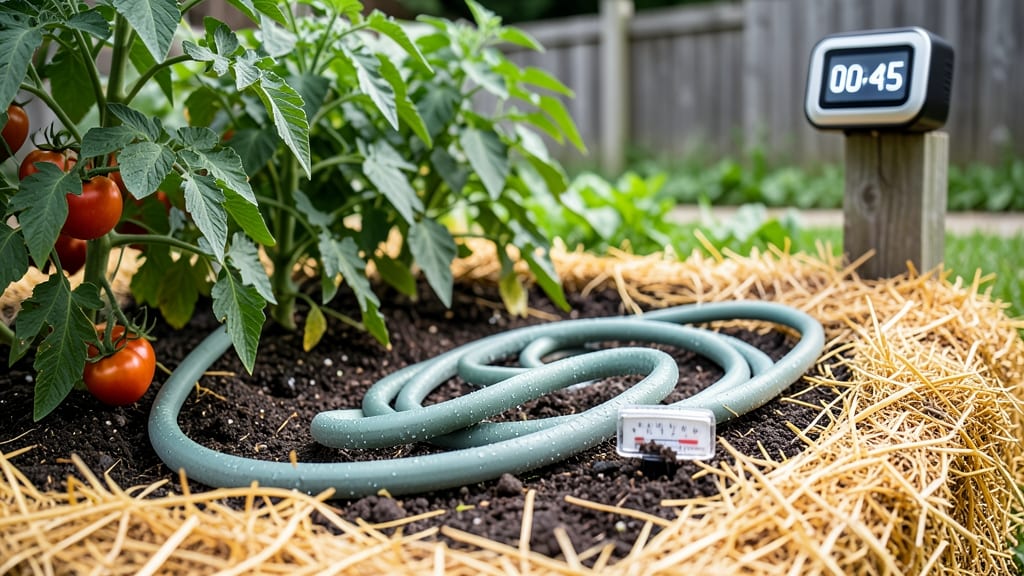
Leaving your soaker hose on a vegetable garden for 1-2 hours is a great starting point, but the right time depends on soil, plants, and weather—get it wrong and you’ll waste water or stress your crops.
Picture this: you’ve just planted your 🥬 vegetable garden in Zone 6a, and you’re eager to keep the soil moist. But how long is too long? Too short, and your plants wilt; too long, and you drown the roots.
The answer isn’t one-size-fits-all—it’s a balancing act between plant needs, soil type, and even the time of day.
In this guide, I’ll break down the science-backed watering schedule by plant type—whether you’re growing leafy greens, root crops, or fruiting vegetables—so you can adjust your soaker hose runtime for peak efficiency.
We’ll also cover how to tweak your routine for sandy vs. clay soil and when to cut back during sudden rain.
By the end, you’ll know exactly how long to run your soaker hose, when to check soil moisture, and the three biggest mistakes that lead to wasted water (and unhappy plants). Let’s dive in!
Optimal soaker hose watering times by vegetable type: a plant-specific guide
Mastering your soaker hose schedule is the secret to a thriving vegetable garden. Unlike overhead sprinklers, soaker hoses deliver water directly to the roots, reducing waste and fungal diseases. But how long should you leave it running?
The answer depends on plant type, soil conditions, and even your local climate. For example, tomatoes and peppers need deep, consistent watering, while leafy greens prefer frequent, shallow moisture. Let’s break it down by plant category so you can water like a pro.
First, understand that soil type dramatically impacts watering needs. Sandy soil drains quickly, requiring shorter runtimes (e.g., 30-45 minutes), while clay soil holds moisture longer, often needing only 1-2 hours per session.
In drought conditions, extend your runtime by 20-30%, but cut it in half if rain is forecasted. Always water in the early morning to minimize evaporation and disease risk. Now, let’s dive into the specifics for your most common garden stars.
| Plant Type | Soaker Hose Runtime (Clay Soil) | Soaker Hose Runtime (Sandy Soil) | Frequency (Dry Climate) | Key Growth Stage Tips |
|---|---|---|---|---|
| Tomatoes | 1.5–2 hours | 45–60 minutes | Every 2–3 days | Increase runtime during flowering/fruiting to prevent blossom end rot. |
| Peppers | 1–1.5 hours | 30–45 minutes | Every 2–3 days | Keep soil consistently moist to avoid cracked fruits. |
| Leafy Greens (Lettuce, Spinach, Kale) | 30–45 minutes | 20–30 minutes | Daily (light watering) | Avoid overwatering to prevent bolting or rot. |
| Root Crops (Carrots, Radishes, Beets) | 45–60 minutes | 20–30 minutes | Every 3–4 days | Use drip irrigation for even moisture; uneven watering causes forked roots. |
| Cucumbers/Zucchini | 1.5–2 hours | 45–60 minutes | Every 2 days | Focus on root zone to encourage vigorous vines. |
| Herbs (Basil, Parsley, Cilantro) | 30–45 minutes | 15–20 minutes | Every 1–2 days | Let soil dry slightly between waterings to prevent mildew. |
For tomatoes, aim for 1.5–2 hours on clay soil during peak summer heat, but reduce to 45–60 minutes in sandy soil. These plants are heavy drinkers, especially when they’re flowering and fruiting.
I’ve found that extending the runtime by 30 minutes during drought prevents blossom end rot, a common issue caused by inconsistent moisture. Always water at the base of the plant, not the leaves, to avoid fungal diseases like early blight.
Peppers and eggplants also thrive with 1–1.5
How to adjust soaker hose runtime for soil and weather conditions
Adjusting your soaker hose runtime isn’t just about guessing—it’s about understanding your soil type and weather patterns. Sandy soil drains quickly, while clay holds moisture longer, and extreme heat or rain changes everything.
Let’s break down how to fine-tune your watering schedule like a pro to keep your vegetable garden thriving without waste.
Start by testing your soil moisture before setting your timer. Stick your finger 2 inches deep—if it feels dry, your plants need water. For sandy soil, you’ll likely need longer runtimes (30-60 minutes) to reach deeper roots, while clay soil may only need 15-30 minutes to saturate properly.
Always water in the early morning to reduce evaporation and fungal risks.
⚠️ WARNING: Overwatering vs. Underwatering Pitfalls Overwatering causes root rot and fungal diseases, while underwatering stresses plants and reduces yields. Sandy soil requires more frequent, deeper watering, while clay soil can suffocate roots if overwatered.
In hot, dry climates, increase runtime by 20-50% and mulch heavily to retain moisture. Sudden rain? Pause watering for 24-48 hours and check soil moisture before resuming.
⚠️ Critical Runtime Adjustments
- Sandy Soil: 30-60 mins (water drains fast—run longer)
- Clay Soil: 15-30 mins (water pools—shorter bursts)
- Hot/Dry Days: Increase by 50% (e.g., 30 mins → 45 mins)
- Rainy Weather: Pause 24-48 hrs (avoid soggy soil)
- Morning Watering: Before 10 AM (prevents fungal growth)
💧 Pro Tip: Use a moisture meter for precision—no more guesswork!
For hot, dry climates, split your watering into two shorter sessions—once in the morning and once in the late afternoon. This mimics natural rainfall patterns and helps roots absorb moisture efficiently.
If you’re in a cooler, humid climate, reduce runtime by 30% and water less frequently to avoid fungal issues like powdery mildew.
Don’t forget to monitor plant signals. Wilted leaves or yellowing foliage often mean underwatering, while mushy stems or pale leaves signal overwatering. Adjust your soaker hose runtime weekly based on these cues and your local weather forecasts.
A little trial and error will help you perfect your schedule for a healthy, high-yield vegetable garden.
Finally, consider mulching—a 2-3 inch layer of organic mulch (like straw or wood chips) can reduce watering needs by up to 40% by locking in moisture.
Pair this with your adjusted soaker hose runtime, and you’ll have a low-stress, efficient watering system that keeps your garden thriving all season long. 🌱