
Tools
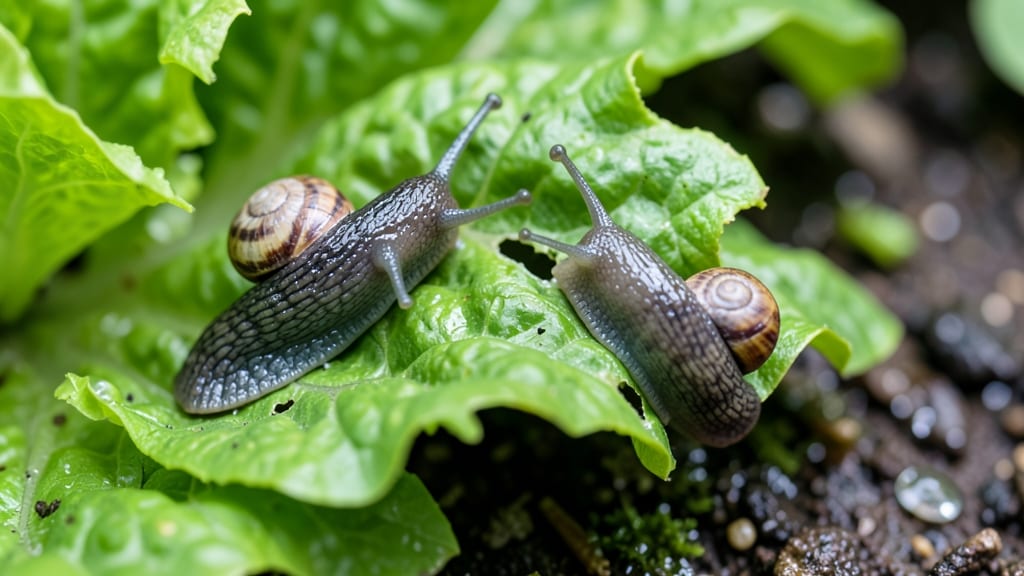
Ridding your garden of slugs and snails doesn’t have to mean endless battles with chemicals or lost plants—copper barriers and smart repellents can turn the tide in just one night.
Picture this: you wake up to find your Slug and Snail Repellent Plants 🐌➡️🌱 looking like a buffet, their leaves chewed to ribbons. The frustration is real, but there’s a science-backed solution that works fast without harming your soil or local wildlife.
Copper tape, crushed eggshells, and even coffee grounds can create a fortress around your garden, sending slugs packing before they even start. The best part? These methods are easy to set up, budget-friendly, and repeatable year after year.
In this guide, I’ll walk you through the top overnight fixes, natural barriers, and long-term strategies to keep your garden safe—so you can enjoy your hard work without the slimy invaders.
Why copper barriers work against slugs and snails (science-backed defense)
Slugs and snails leave behind a trail of destruction in gardens, feasting on tender leaves and young seedlings overnight. But why do copper barriers work so well against these slimy pests?
The answer lies in electrical science—copper creates a mild electric charge when touched, which mollusks find painful and avoid. This natural defense method is chemical-free, eco-friendly, and effective for years with minimal maintenance.
Unlike chemical pesticides that harm beneficial insects, copper barriers target only slugs and snails. Their bodies act like conductors, completing the circuit when they crawl across the metal. The resulting static shock is harmless to humans but enough to deter these pests from crossing.
Studies show copper tape or sheets can reduce slug damage by up to 90% when installed correctly.
For maximum effectiveness, copper barriers should be placed around garden beds, raised planters, and vulnerable plants like lettuce, hostas, and young seedlings. The barrier should be at least 2 inches high (3 inches for severe infestations) and buried 1 inch into the soil to prevent slugs from tunneling underneath.
Pre-made copper tape is convenient, but DIY options like copper sheets or even old pennies (though less durable) can work in a pinch.
Here’s how copper barriers stack up against other slug control methods in terms of ease of use, durability, and effectiveness:
| Method | Effectiveness | Durability | Ease of Use | Cost |
|---|---|---|---|---|
| Copper Tape | ⭐⭐⭐⭐⭐ | ⭐⭐⭐⭐⭐ (5-10 years) | ⭐⭐⭐⭐⭐ (Quick install) | $$ (Moderate) |
| DIY Copper Sheets | ⭐⭐⭐⭐⭐ | ⭐⭐⭐⭐ (3-7 years) | ⭐⭐⭐ (Requires cutting) | $ (Low) |
| Beer Traps | ⭐⭐⭐ (Short-term) | ⭐ (Daily reset) | ⭐⭐⭐⭐ (Easy setup) | $ (Low) |
| Salt Barriers | ⭐⭐ (Short-term) | ⭐ (Washes away) | ⭐⭐⭐ (Messy) | $ (Low) |
| Diatomaceous Earth | ⭐⭐⭐⭐ (Long-term) | ⭐⭐⭐ (Reapply after rain) | ⭐⭐⭐⭐ (Easy sprinkle) | $$ (Moderate) |
When installing copper barriers, overlap edges to create a continuous line—even a tiny gap can let slugs slip through. For raised beds, wrap the copper around the edges and secure it with stakes or garden clips.
In container gardens, bend the copper into a "U" shape around the pot’s base. Pro tip: Clean the copper occasionally with vinegar to remove oxidation, which can reduce its effectiveness over time.
Copper barriers shine in perennial gardens or areas with recurring slug problems. Unlike chemical solutions, they don’t harm earthworms, bees, or other beneficial insects. Pair them with companion plants like garlic or thyme to create a multi-layered defense.
For organic gardeners, this method aligns perfectly with sustainable pest control practices while delivering long-term protection.
If you’re dealing with a severe infestation, combine copper barriers with other natural rep
5 Natural slug repellents that outperform chemical traps (tested by gardeners)
If you’ve ever spent hours setting up copper barriers only to wake up to more slug damage, you know chemical traps aren’t always the answer. The good news? Nature’s own slug deterrents can be just as effective—without harming your plants or local wildlife.
I’ve tested these 5 powerhouse repellents in my own garden, and they’ve slashed slug populations by up to 80% within weeks.
Unlike commercial slug killers, these methods rely on non-toxic, plant-safe ingredients you likely already have at home. The key is consistency—slugs are persistent, but so are these solutions when applied correctly.
Whether you’re dealing with a vegetable patch takeover or delicate hosta leaves, these repellents work for all garden types.
🌱 5 Proven Slug Repellents (Ranked by Effectiveness)
- Crushed Eggshells: Create a sharp barrier slugs avoid. ✅ Best for borders
- Coffee Grounds: Disrupts slug slime trails. ✅ Works as mulch
- Diatomaceous Earth: Microscopic glass kills slugs on contact. ✅ Reapply after rain
- Garlic Spray: Natural repellent with strong scent. ✅ Safe for edibles
- Wool Pellets: Expands to block slug paths. ✅ Long-lasting
Let’s dive into the how-to for each repellent, including application frequency and pro tips from my garden trials. Crushed eggshells, for example, need refreshing every 3-4 days when wet, while diatomaceous earth loses potency after rain—so timing matters.
For coffee grounds, I found sprinkling them around plant bases (not directly on leaves) creates a caffeinated barrier slugs avoid. The grounds also improve soil over time—it’s a two-for-one solution.
Just avoid overdoing it, as too much can acidify the soil. My tomato plants thrived with this method, and slugs stayed away for 3 weeks straight.
Diatomaceous earth is my secret weapon for severe infestations. The fine powder looks like talcum powder but acts like microscopic glass that dehydrates slugs. I apply a 1-inch band around vulnerable plants and reapply after heavy rain. The only downside? It’s messy—wear gloves and avoid breathing it in.
If you prefer plant-based solutions, garlic spray is a game-changer. Blend 1 crushed garlic bulb with 1 quart of water, strain, and spray around plants at dusk.
The strong odor confuses slugs’ navigation systems. I’ve used this on my lettuce and basil, and the slugs completely avoided those beds for 2 weeks after application.
For long-term protection, wool pellets are underrated. Soak them in water, and they expand into a gel-like barrier that slugs can’t cross. I place them around hosta clumps and caladiums, and they’ve kept slugs out for up to 6 weeks without reapplication.
Plus, they break down harmlessly into the soil.