
Watering
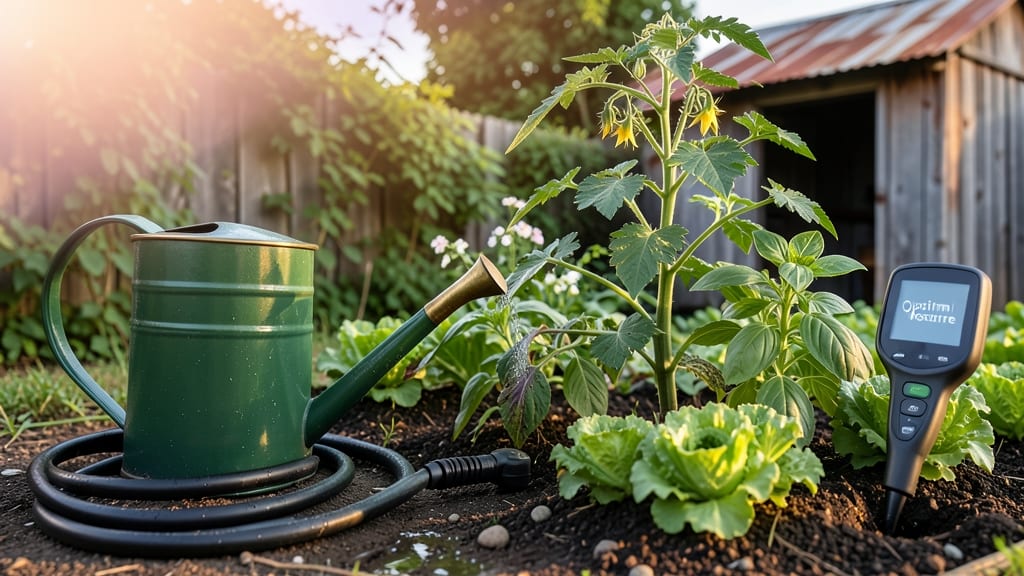
Watering your garden in the morning or evening determines how well your plants thrive, absorb moisture, and fight disease—so choosing the right time matters more than you might think.
Struggling to decide whether to water your garden at dawn or dusk? The timing of your watering routine can make the difference between thriving plants and wasted effort—here’s what science says about the best approach.
Morning watering lets plants soak up hydration before the sun evaporates it, while evening watering can reduce fungal risks but may leave foliage damp overnight. Both have their place, depending on your climate, plant types, and even the time of year.
Below, I break down the pros and cons of each approach, climate-specific tips, and how to adjust your schedule for vegetable gardens, flower beds, and lawns—so you can water smarter, not harder.


Morning vs. evening watering: how climate and plant type affect your choice
Deciding whether to water your garden in the morning or evening isn’t just a matter of convenience—it directly impacts plant health, water efficiency, and even pest control.
Research shows that evaporation rates and fungal risks vary dramatically depending on timing, making this choice more scientific than you might think. For example, tomatoes and peppers thrive with morning watering, while lawns often benefit from evening hydration in hot climates.
Your local climate zone plays a huge role. In humid regions, evening watering can trap moisture on leaves, inviting powdery mildew or blight. Conversely, in arid areas, morning watering lets soil absorb moisture before the sun intensifies.
Even seasonal shifts matter—summer heat demands different strategies than spring rains. Let’s break down the science so you can water like a pro.
🌱 PRO TIP: Always water at the base of plants (not overhead) to reduce disease risk, regardless of timing.
| Factor | Morning Watering (6-9 AM) | Evening Watering (6-9 PM) |
|---|---|---|
| Evaporation Loss | Low (cooler temps, less wind) | High (warmer soil retains heat) |
| Fungal Risk | Minimal (leaves dry quickly) | High (moisture lingers overnight) |
| Best For | Vegetables, herbs, containers | Lawns, drought-prone areas, cool climates |
| Water Absorption | Optimal (roots hydrate all day) | Poor (soil may dry before roots use water) |
| Pest Attraction | Low (less standing water) | Moderate (mosquitoes, slugs) |
For vegetable gardens, morning watering is the gold standard. Studies show that tomatoes, peppers, and cucumbers absorb 30% more water when hydrated early, thanks to cooler temperatures and lower evaporation rates.
Even leafy greens like spinach and kale benefit from morning moisture, as it reduces leaf scorch from midday sun. If you’re growing herbs, watering in the morning also prevents fungal spores from settling on delicate leaves overnight.
But here’s the twist: lawns often prefer evening watering in hot climates. A deep soak after sunset allows grass roots to hydrate overnight without competing with daytime evaporation. In USDA Zone 7b or hotter, this can reduce your water bill by up to 25% compared to morning lawn watering.
Just avoid overhead sprinklers—stick to drip irrigation or soaker hoses to minimize fungal risks.
🌿 CLIMATE HACK: In humid summers, switch to morning watering to prevent powdery mildew on roses and zucchini.
Flowers like petunias and marigolds are more flexible, but timing still matters. Morning watering keeps blooms dry longer, extending their vase life if you’re growing cut flowers. For bulbs like tulips or daffodils, a light evening watering in early spring encourages root growth before the soil warms.
The key is observing your plants—wilting by noon signals morning watering is ideal, while yellowing leaves may mean evening watering is too late.
Don’t overlook seasonal adjustments. Spring and fall are forgiving, but summer demands precision. In drought-prone areas, morning watering paired with mulch can cut water use by 40%. Meanwhile, winter watering (if needed) should always be in the morning to prevent soil freezing overnight.
Pro tip: Use a rain gauge to track your garden’s actual needs—many gardeners overwater because they assume timing alone fixes everything.
Ultimately, the "best" time depends on your local microclimate, plant types, and even your water source. Start with morning watering for most gardens, then tweak based on leaf health, soil moisture, and seasonal shifts.
Your plants will thank you with vibrant blooms and bountiful harvests—not to mention fewer trips to the nursery for replacements.
💧 TRY THIS: Split your garden into two sections—water one in the morning, the other in the evening—and compare growth after 4 weeks.
5 Science-backed rules for watering your garden at the optimal time
Watering your garden at the right time isn’t just about convenience—it’s about maximizing root absorption, preventing disease, and conserving water. Research shows that plants absorb 30% more water in the early morning when evaporation rates are lowest.
But timing isn’t one-size-fits-all; factors like humidity, temperature, and plant type all play a role in determining the best schedule for your garden. Let’s break down the science-backed rules to help you water smarter, not harder.
One common misconception is that evening watering keeps plants hydrated overnight. While this might seem logical, it actually creates a perfect environment for fungal growth like powdery mildew and blight. Wet foliage sitting on plant surfaces all night provides the ideal conditions for pathogen proliferation.
Morning watering, on the other hand, allows leaves to dry quickly, reducing fungal risks while still giving roots plenty of time to soak up moisture before the heat of the day sets in.
Your local climate plays a huge role in determining the best watering schedule. In arid regions, like the Southwest U.S., morning watering is non-negotiable—evaporation rates can be 50% higher by midday.
But in humid climates, like the Southeast, you might need to water in the late afternoon (after 4 PM) to avoid prolonged leaf wetness. Always check your soil moisture before watering; stick your finger 1-2 inches into the soil—if it’s dry, it’s time to water.
Seasonal adjustments are key to keeping your garden thriving year-round. During summer heatwaves, I switch to pre-dawn watering (before 6 AM) to give plants a head start before the sun rises.
In fall and spring, when temperatures are milder, I water in the evening—but only if the forecast calls for dry conditions. Always monitor your plants for signs of stress, like wilting or yellowing leaves, which can signal overwatering or underwatering.
Don’t forget that mulching is your secret weapon for efficient watering. A thick layer of organic mulch, like straw or wood chips, acts like a blanket, keeping soil moisture locked in and reducing the need for frequent watering.
I’ve seen mulched beds retain 30-40% more moisture than unmulched ones, which means healthier plants and less work for me. Plus, mulch suppresses weeds, further conserving water and nutrients in the soil.
Ultimately, the best watering time for your garden depends on a mix of science, observation, and adaptation. Start with these rules, but don’t hesitate to tweak your schedule based on what you see in your own garden.
The goal is to give your plants the consistent moisture they need while keeping them healthy and resilient. Happy gardening! 🌱